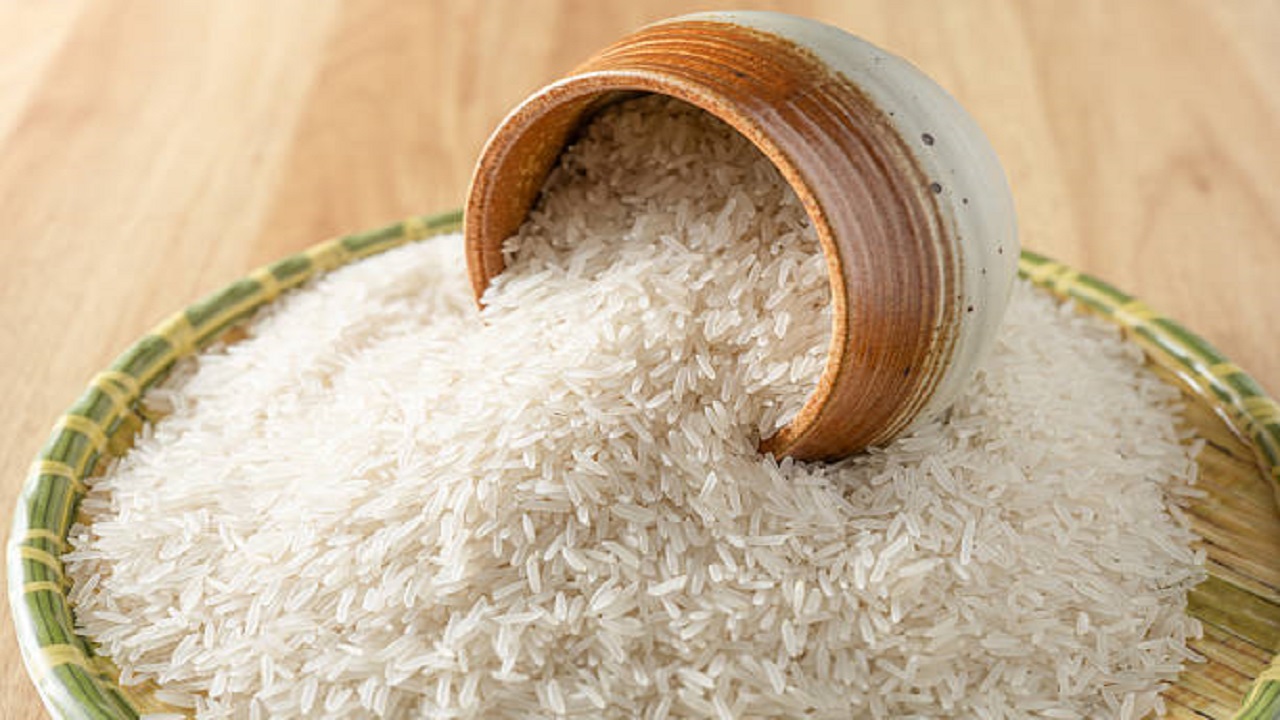
New Delhi : The demand for Indian rice in the global market is stable. During the period of six months from January to June 2026 IndiaRice exports from Tun increased to 12.27 crore tonnes. However, the shortage of cargo containers since July and the steep rise in sea freight costs are likely to affect the pace of exports.
A few months ago the transportation cost of a consignment was 1 thousand 500 to 2 thousand dollars, it has now reached 7 thousand to 7 thousand 500 dollars. This has created a big challenge for the exporters. It has become difficult to sustain the pace of rice exports seen in the first half of the year. India exported 11.68 crore tonnes of rice between January and June last year; During the same period this year, this figure reached 12.27 crore tonnes. Despite geopolitical tensions and war-like conditions, India has registered a growth of nearly 5 percent in rice exports.
India's share is 40 percent
India's major competitors in the global rice market are Thailand, Vietnam and Pakistan. Nevertheless, India's position in the international market remained strong due to the competitive prices of Indian rice compared to these countries. According to traders, India accounts for nearly 40 percent of the world's total rice exports. Last season, rice production in the country was good. As production exceeded domestic demand, sufficient rice was available for export.
Exports boosted by low prices of Indian rice
Also, lower Indian rice prices compared to Thailand, Vietnam and Pakistan boosted exports. The 5 percent increase in rice exports in the first six months is a positive development. However, since July, the shortage of cargo containers and the steep rise in transport costs have become serious challenges for exports. To maintain its position in the global market, the government needs to take immediate steps to increase freight availability and reduce transportation costs.
Increase in exports of non-basmati rice
Exports of non-basmati rice increased by about 9 percent. There is a huge demand for non-basmati rice from Bangladesh, Sri Lanka, Cameroon and various countries in Africa. The decline in basmati rice exports was offset by non-basmati rice exports, thus strengthening the country's overall rice export figures. Although exports performed well in the first six months, the situation has changed since July.
Huge increase in transport rates
Exporters are facing a shortage of required cargo containers, leading to a steep rise in transportation rates. A few months ago, it used to cost 1,500 to 2,000 dollars to transport a consignment of goods, but now the cost has increased to 7,000 to 7,500 dollars.
Cooperative Banks Role : Be it financial recession or global crisis, why trust cooperative banks? Tanveer Inamdar explained the reasons