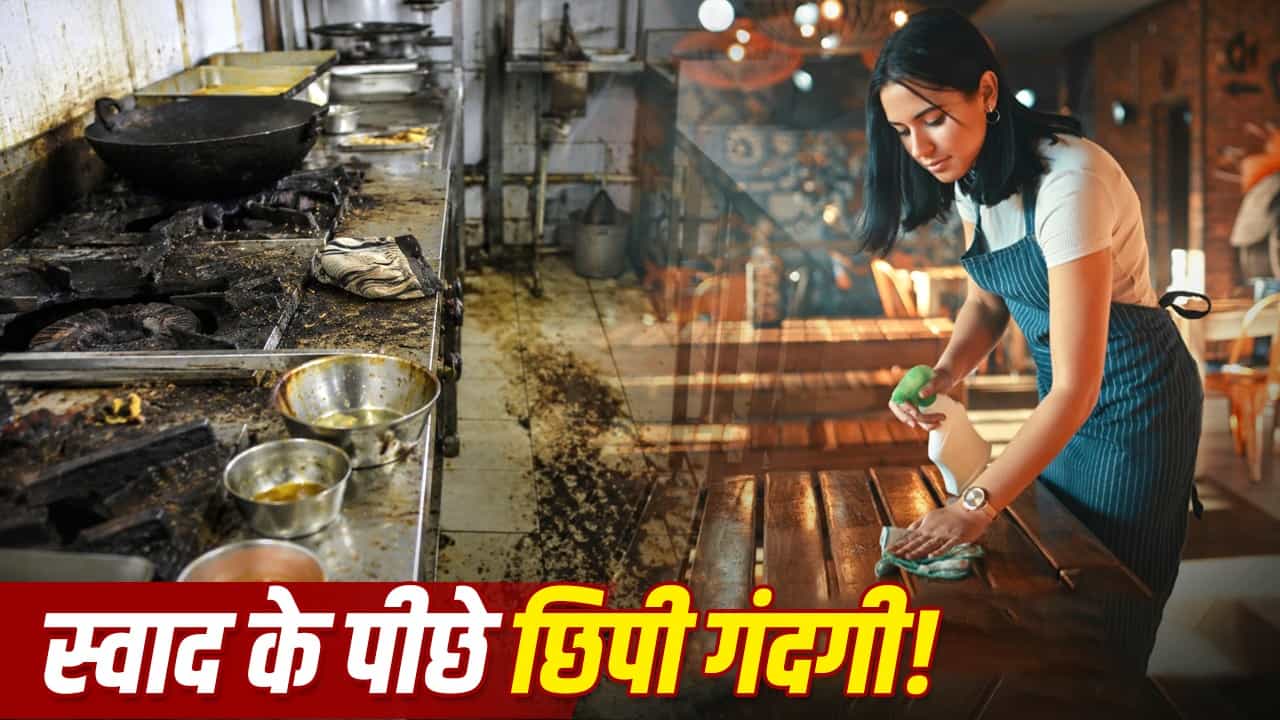
Often when we go to eat at a hotel or restaurant, we get influenced by the grandeur and ambiance of the hotel and forget to pay attention to the cleanliness there. Eating outside may taste good, but is it safe for health? While traveling or at any event, hotel food is often prepared in advance, which increases the risk of bacteria growth. Eating spoiled and contaminated food can not only spoil your entire trip but can also make you have to go to the hospital due to serious illness like food poisoning. Today we are going to tell you about those 7 important signs, with the help of which you will be able to know whether the food served in front of you is safe or not. This information is not only important for your health, but it also makes you a conscious consumer.
The first and most important cue is the 'smell' of the food. Our nose is the first and most accurate sensor to detect any type of infection or decay. If a strange sour, pungent, or musty smell is coming from any dish, then immediately understand that bacteria have grown in the food. Fresh food is always known for its aroma and taste. If you feel that the smell of food is different from normal or it has even a slight odor, then do not make the mistake of eating it. Many times chefs use spices to hide odors, but by smelling carefully you can easily identify spoiled meat, fish or dairy products. The 'ammonia' like smell coming from meat is the biggest alarm bell.
It is very important to pay attention to the 'appearance and texture' of the food. Never ignore food that is too dark in color or has an unnatural shine. If the color of vegetables or meat looks mushy or dull, it means it has been stored for a long time. Slimness in meat or cheese is also a sign of active bacteria. If you're ordering a dish with soup or sauce, check to see if it has any strange layers or layers. Stale and spoiled food may contain microscopic particles of mold, which you will have to look closely to see. If you notice any strange change in the texture of any dish, it is wise to return it.
The next important indicator is 'Temperature'. According to FSSAI and other health organizations, hot food should always be served hot and cold food should always be served cold. If you order a dish that should be served hot (like chicken, soup, or curry), but it's 'lukewarm', this is the safest environment for bacteria. Bacteria grow rapidly in 'danger zone' temperatures. If the food is very cold or at room temperature, it means it was prepared several hours ago and has not been reheated properly. Food in restaurants should always be steaming hot, so that germs are destroyed.
Having 'strange sourness' or bitterness in the taste (Taste Test) is also a big sign. While eating food, if you feel any kind of unusual bitterness or sourness in it, which is not the real taste of that dish, then immediately understand that the food has spoiled. Sometimes too many spices are used to 'mask' bad food. If you feel that the food is too salty or the spices taste strange, that may also be a sign that the hotel has used stale ingredients. Any compromise with taste can take a toll on health.
The cleanliness of the 'utensils and ambience' of the hotel also tells a lot about the quality of the food. If you notice that the table on which you are sitting or the utensils in which food is served are sticky or dirty, then it directly exposes the cleanliness of the kitchen. If the waiter serving has dirty nails or his hands do not look clean, it is very likely that the chef preparing the food is also not following the rules of hygiene. A good hotel always maintains transparency in its service and cleanliness of utensils. If you see dirt in the environment, it becomes difficult to trust the safety of the food there.
The lack of 'serving method' and 'customization' is also an indication. If the hotel staff is unable to meet any specific request you have made or they are serving the food in a hurry, they may have served you pre-cooked food. During the buffet system in hotels, food is often kept open for hours, which becomes a center of flies and dust. Always try to order 'Made to Order' food only. If the food is cold before it comes to the table or its garnishing looks wilted, then understand that it is not fresh.
The last and most important tip, trust your 'gut feeling'. If your mind is not agreeing or you feel nervous at the sight of food, then it is better not to eat it. Always look for these seven signs—smell, color, texture, temperature, taste, cleanliness, and serving style—to identify bad food in a hotel. Remember, even one wrong food can make you sick for a long time. Always prefer to eat at such places where there is transparency and where kitchen hygiene standards are given priority. Stay safe, stay healthy and always be cautious when eating out.