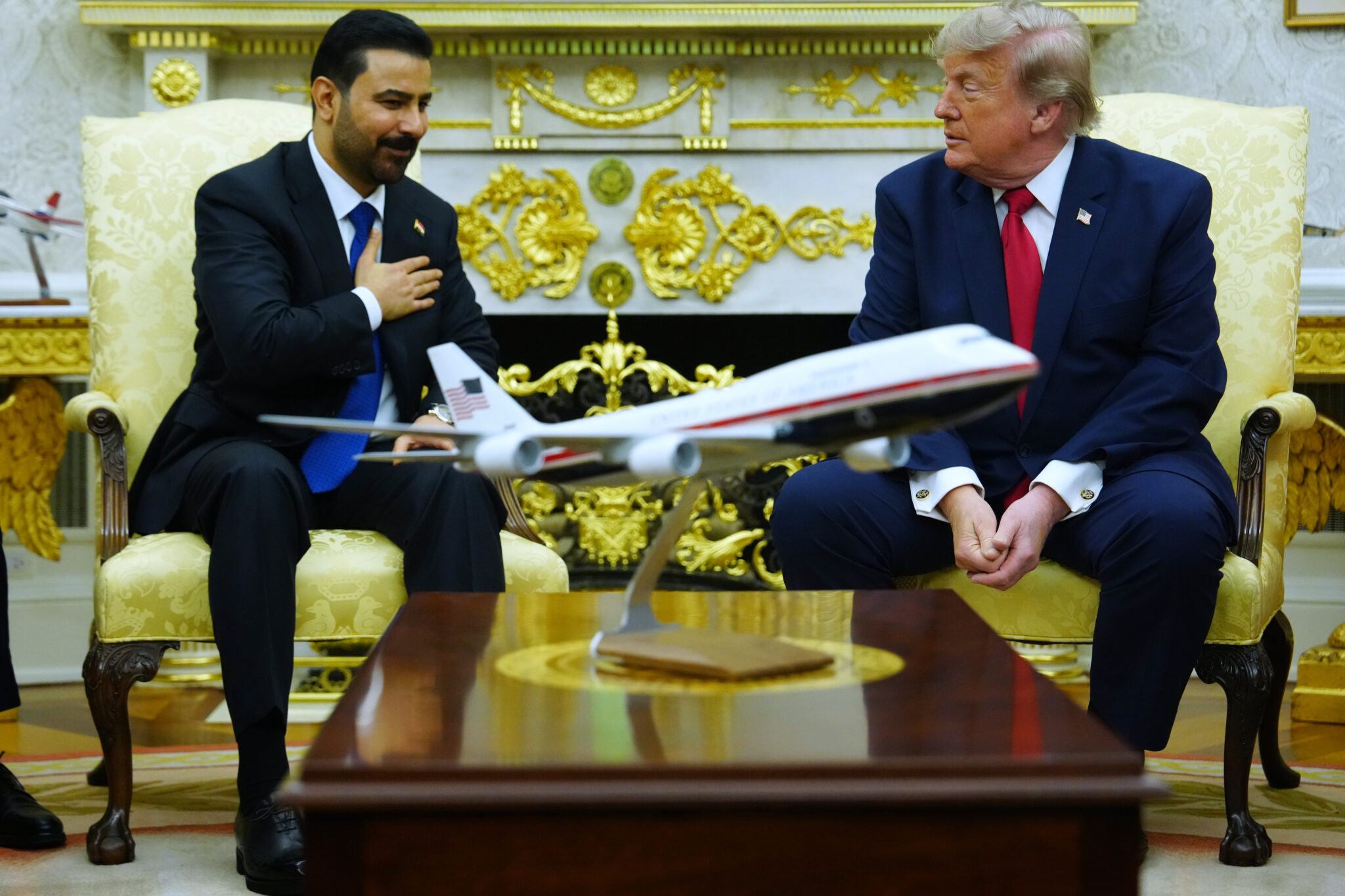
US Forces on Track to Complete Iraq Withdrawal by Sept. 30 After More Than 2 Decades/ TezzBuzz/ WASHINGTON/ J. Mansour/ U.S. forces are expected to complete their withdrawal from Iraq by Sept. 30, ending a military presence that began with the 2003 invasion. American troops have already left most Iraqi bases, with the final drawdown underway in the northern Kurdish region. Baghdad has set the same deadline for disarming non-state groups, though powerful Iran-backed militias have rejected giving up their weapons.
Quick Look
- The United States expects to withdraw all remaining forces from Iraq by Sept. 30.
- Washington and Baghdad agreed in 2024 to wind down the coalition mission.
- U.S. forces left most Iraqi bases in 2025 but remained in the Kurdish region.
- A drawdown from Erbil reportedly began about three weeks ago.
- Officials did not disclose how many American troops remain or where they will go.
- U.S. troop levels peaked above 170,000 in 2007.
- American forces returned to Iraq in 2014 to fight the Islamic State group.
- About 2,500 troops later remained for training and counter-IS operations.
- Iraq’s military and Kurdish Peshmerga forces will assume responsibility for counterterrorism operations.
- Baghdad also wants militias to surrender their weapons by Sept. 30.

Deep Look
US withdrawal scheduled for Sept. 30
The U.S. military is on schedule to withdraw all remaining forces from Iraq by Sept. 30, officials said Wednesday, closing a military presence that began with the American-led invasion against Saddam Hussein in 2003.
Washington and Baghdad agreed in 2024 to wind down the smaller U.S.-led coalition operation established to combat the Islamic State group.
American troops departed bases across most of Iraq last year but continued operating in the country’s semi-autonomous northern Kurdish region.
Those remaining installations have faced repeated attacks since the United States and Israel began their war against Iran on Feb. 28.
Iraqi prime minister calls deadline final
Iraqi Prime Minister Ali al-Zaidi met Wednesday with Adm. Brad Cooper, commander of the U.S. Central Command.
Following the meeting, al-Zaidi said he had reaffirmed the withdrawal deadline.
He described Sept. 30 as the “fixed and final date for ending the military mission of the Global Coalition to Defeat ISIS in Iraq and completing the departure of its forces.”
The statement indicated that Baghdad does not anticipate another extension of the coalition’s military presence.
US official confirms withdrawal timetable
A U.S. official confirmed that Washington expects the withdrawal to be completed by Sept. 30.
The official did not disclose how many American troops remain in Iraq or where they will be redeployed after leaving the country.
“The United States, Iraq and coalition partners have achieved tremendous success in defeating ISIS and now the Iraqi security forces, including the Peshmerga and other Iraqi Kurdistan Region security forces, will lead the fight against terrorists in Iraq,” the official said.
The transition places primary responsibility for counterterrorism operations with Iraq’s national security forces and the Kurdish Peshmerga.
Drawdown from Erbil already underway
Two Iraqi Kurdish officials said the withdrawal of U.S. personnel and military equipment from Erbil began approximately three weeks ago.
They spoke on condition of anonymity because they were not authorized to discuss the operation publicly.
Erbil has served as a major center for American and coalition activities in northern Iraq. The U.S. presence there continued after forces departed installations elsewhere in the country.
The removal of equipment and troops signals that the final phase of the withdrawal is already in progress.
American presence began with 2003 invasion
The U.S. military entered Iraq in 2003 during the invasion that removed Saddam Hussein from power.
American troop levels grew to more than 170,000 during the peak of counterinsurgency operations in 2007.
The prolonged war included years of insurgent violence, sectarian conflict and political instability.
In December 2011, the final American combat troops left Iraq, formally ending that phase of the U.S. military mission.
Islamic State’s rise brought US troops back
American forces returned in 2014 after the Islamic State group seized large areas of Iraq and neighboring Syria.
The Iraqi government invited the U.S.-led coalition to help stop the militants, who had captured major cities and declared control over a broad self-proclaimed caliphate.
American troops supported Iraqi forces through airstrikes, training, intelligence and operational assistance.
After the Islamic State lost control of the territory it once governed, coalition combat operations formally concluded in 2021.
The United States nevertheless maintained approximately 2,500 troops in Iraq to train local forces and participate in counter-IS missions alongside the Iraqi military.
Kurdish bases faced attacks during Iran war
U.S. bases in Iraq’s Kurdish region have repeatedly come under attack since the United States and Israel launched military operations against Iran in February.
Iran maintains close ties with several powerful armed organizations inside Iraq, some of which have previously attacked American forces and described the U.S. military presence as an occupation.
The regional conflict increased the risks facing the remaining American personnel and added urgency to questions surrounding the withdrawal.
The Sept. 30 departure will remove one prominent justification cited by militias for maintaining their weapons.
Baghdad sets militia disarmament deadline
Al-Zaidi also established Sept. 30 as the deadline for non-state armed groups in Iraq to surrender their weapons.
The prime minister argues that militias will no longer have a justification for remaining armed after foreign troops leave the country.
Some factions have defended their existence by pointing to the American military presence, which they characterize as an occupation.
However, the latest U.S. mission began at the formal invitation of Iraq’s government following the Islamic State group’s advances in 2014.
Powerful militias resist disarmament
Baghdad appears unlikely to meet its goal of disarming non-state organizations by the withdrawal deadline.
Some of Iraq’s most influential Iran-backed militias have said they have no intention of surrendering their weapons.
These organizations possess significant military resources and political influence, complicating the government’s efforts to bring all armed forces under state authority.
Their resistance means that the American withdrawal may resolve one dispute while leaving Iraq’s broader security and sovereignty challenges unsettled.
Iraqi forces assume counterterrorism responsibility
Once the withdrawal is complete, Iraqi forces will take full responsibility for containing the remaining Islamic State threat inside the country.
That mission will involve the national military, counterterrorism units, Kurdish Peshmerga and other security organizations in the Kurdistan region.
Although the Islamic State no longer controls significant territory, militants continue to conduct attacks and exploit remote or weakly governed areas.
The transition will test whether Iraqi security institutions can sustain counterterrorism operations without a permanent American military presence.
More on US News