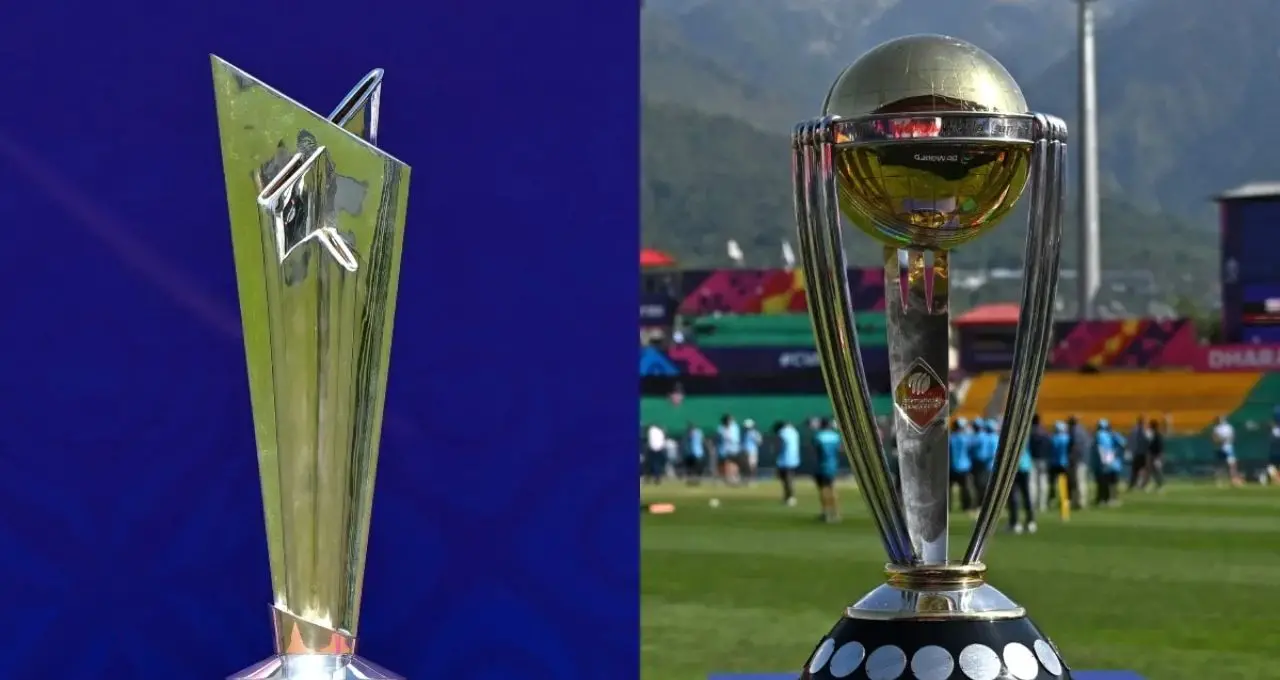
It has been almost two decades since T20 cricket started and during this time its popularity has increased rapidly across the world. For this reason, at present franchise-based T20 leagues are being organized in almost every major cricket playing country.
Sports News: Amid the rapidly increasing popularity of T20 format in international cricket, a new debate has started regarding the future of ODI cricket. Now the International Cricket Council (ICC) is considering new options to make traditional formats like ODI and Test more relevant and attractive. ICC Chief Executive Officer Sanjog Gupta has indicated that bilateral T20 series being held without any clear purpose or context may be less frequent in future.
He believes that every series and match should have a clear significance in the cricket calendar. If international competitions are organized with better context and purpose, then ODI cricket will not only fight for its survival but can grow as a strong and popular format.
Challenge before ODI cricket amid popularity of T20
After the inception of T20 cricket, this format has rapidly gained popularity across the world in the last two decades. Today, almost every major cricket playing country organizes a domestic or franchise T20 league. The fast-paced game, short time and entertainment-packed matches have made T20 extremely popular among the global audience.
However, the busy cricket calendar has also affected ODI and Test cricket. In many countries, bilateral ODI series do not attract the same viewership as before, while players have also found it challenging to prioritize all formats amid the ever-increasing number of matches and league cricket. For this reason, ICC is now considering that all three formats of international cricket should be given separate clear identity and importance.
‘Every series should have a clear objective’
Sanjog Gupta said that the era of bilateral cricket series being organized without any purpose and context should end. According to him, instead of just increasing the number of matches, it is important that fans and players know the importance of a series and its relation to the broader cricket structure.
This thinking can have a direct impact on unnecessary or less important T20 series. The ICC’s aim may not be to curtail T20 cricket, but to create balance in the international calendar, so that ODI cricket does not lose its relevance amid the back-to-back franchise and bilateral T20 fixtures.
He also made it clear that ODI cricket has its own distinct and important role. It is particularly closely associated with the men’s and women’s Cricket World Cups. The 50-over format offers a unique balance of strategy, long batting, different bowling phases and changing match conditions in cricket.
Consideration of creating a separate window for ODI
The possibility has also come up in ICC discussions that in future a more clear international window can be created for ODI cricket like Test cricket. The aim will be to better connect the 50-over format with major global tournaments and important series. If such a system is implemented, ODI series could be linked to the World Cup cycle, qualifications or other meaningful competitive contexts. This can help increase audience interest and make each bout more important.
However, before such a scheme can be implemented, the major challenge will be to balance the busy schedules of member countries, broadcasters, players and domestic T20 leagues.