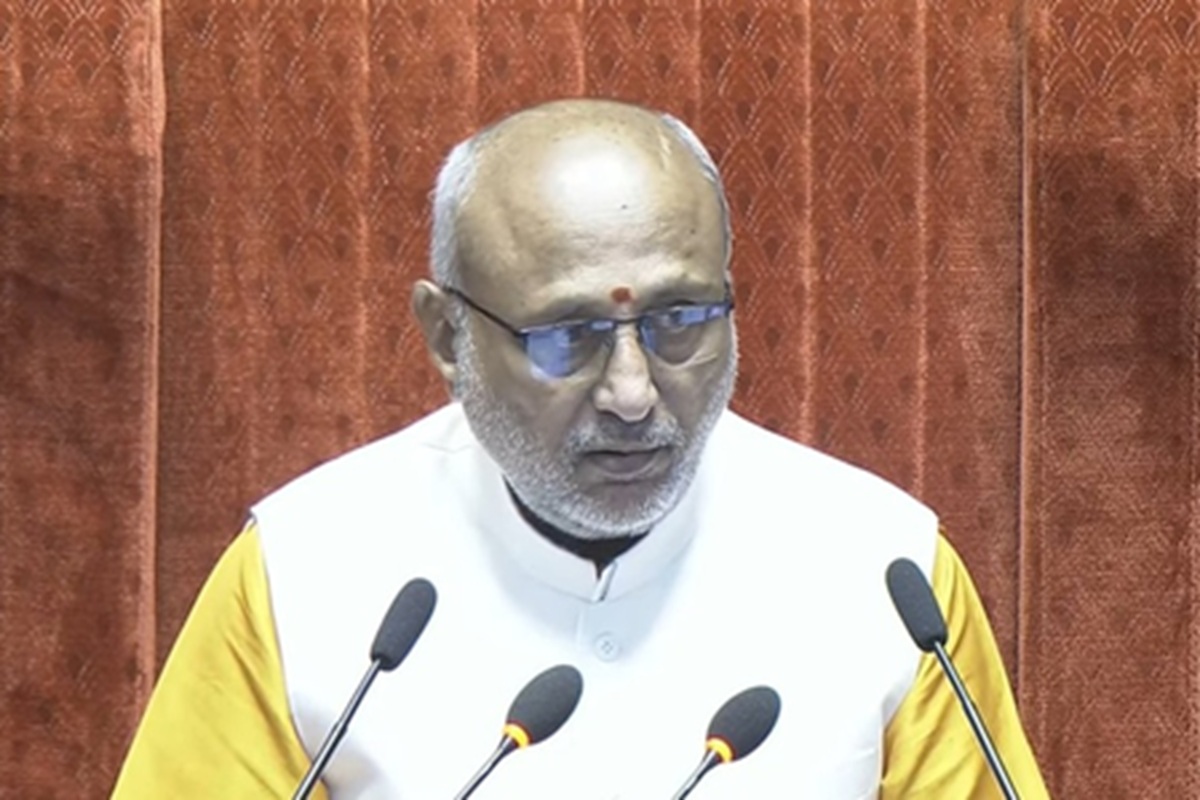
He said that due to repeated disruptions throughout the session, the functioning of the House was affected and the time available for meaningful discussion on issues of national importance was also lost. However, amid all this, the House considered and passed or returned many bills. “It is a matter of regret that this session was marred by persistent chaos and frequent disruptions, due to which the functioning of the House was derailed several times,” the Chairman said.
The Chairman said that despite these disruptions, the Rajya Sabha fulfilled its core legislative responsibilities. The House considered and passed or returned 12 bills for legislative action. He said that if all the members had collectively participated in the proceedings, given their important suggestions and participated in meaningful discussions, the picture of the session would definitely have been different.
Chairman CP Radhakrishnan said that the proceedings of Rajya Sabha lasted only 37 hours 49 minutes in this session. The productivity of the House was 39.17 percent. He said that members had ample opportunities to raise issues of public interest and national importance.
The Chairman said that the floor of the House was open to the members, but the opportunities available could not be fully utilized as it should have been to effectively raise the voice of the public in the House. “We had the opportunity, but we could not fully utilize the opportunities available to us to raise the voice of the people we represent,” he said.
The Chairman of Rajya Sabha said that being the senior House, the Upper House has a specific responsibility. It should maintain the tradition of reasoned debate, dignified dissent and thoughtful lawmaking. Continuous disruptions ultimately affect public confidence and aspirations. All members should therefore strive to maintain the highest standards of parliamentary conduct.
“We must strive to maintain the highest standards of parliamentary conduct and preserve the dignity and sanctity of this institution,” he said. The Chairman also mentioned the orientation program organized for the newly elected and nominated members as an important achievement of this session.
The Chairman said that the experience of senior MPs in the program significantly helped the new members in understanding parliamentary proceedings. He said that despite their busy schedules and responsibilities in their respective states during the session, 35 members attended the program and benefited from it.
At the conclusion of the session, the Chairman appealed to the members to cooperate in smoothly running the proceedings of the House in future. He said that dissent in Parliament is an important part of democracy, but dissent should be expressed through meaningful debate and in a dignified manner.