According to Travel and Tour Worldthis global travel wave has been unleashed by the release of Christopher Nolan’s new film, “The Odyssey”, in July.
The movie recreated ancient Homeric landscapes by filming across six countries over five months using IMAX technology, inspiring millions of viewers to look up these real-world filming spots within weeks of the premiere.
The trend is expected to continue through autumn and well into spring 2027.
|
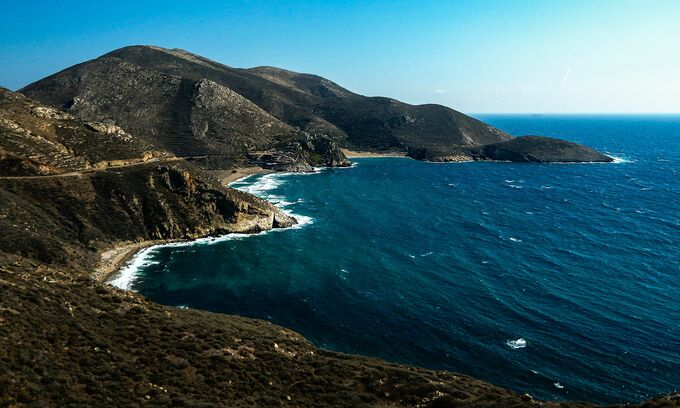
An aerial view of Greece’s Peloponnese coastline, key filming location for Christopher Nolan’s The Odyssey. Photo by George Koutsougeras via Pexels. |
The impact of “The Odyssey” spans five countries.
In Greece, data from travel tech provider Holafly and Google Search reveals that flight searches to Kalamata, the gateway to filming sites in the Peloponnese, increased by 5,000 % in July compared to a year earlier following the film’s release.
Holafly also reported a 72% increase in Greece eSIM activations during the same period, driven by interest in locations like Voidokilia Beach and Methoni Castle.
In Italy, Reuters reported, the small island of Favignana, which served as a primary filming location, saw its population of 3,000 swell to 40,000-50,000 a day during peak summer days.
According to the Italian National Tourist Board, this was accompanied by a sudden rise in ferry passenger numbers from mainland Sicily to the Aegadian archipelago, which stood in for Ithaca, Odysseus’s mythical home island.
Local councils in northeastern Scotland, including Aberdeenshire and Moray, reported a clear rise in visitor numbers at coastal locations such as Findlater Castle and Culbin Forest, where the production team filmed scenes representing ancient coastal ruins and mythical forests.
Official tourism agencies in Morocco and Iceland also reported jumps in travel inquiries respectively for featured landmarks like the UNESCO site of Aït Benhaddou and Reynisfjara black sand beach.
According to hospitality metrics reported by Travel and Tour Worldlate-summer hotel occupancy rates reached high levels.
Data from the OECD indicates that film tourism provides direct revenues to small regional businesses, including local transport providers, ferry operators, car rental agencies, traditional tavernas, and artisan shops.
In rural communities, film production and the resulting visitor traffic often serve as a financial boost outside of peak travel months.