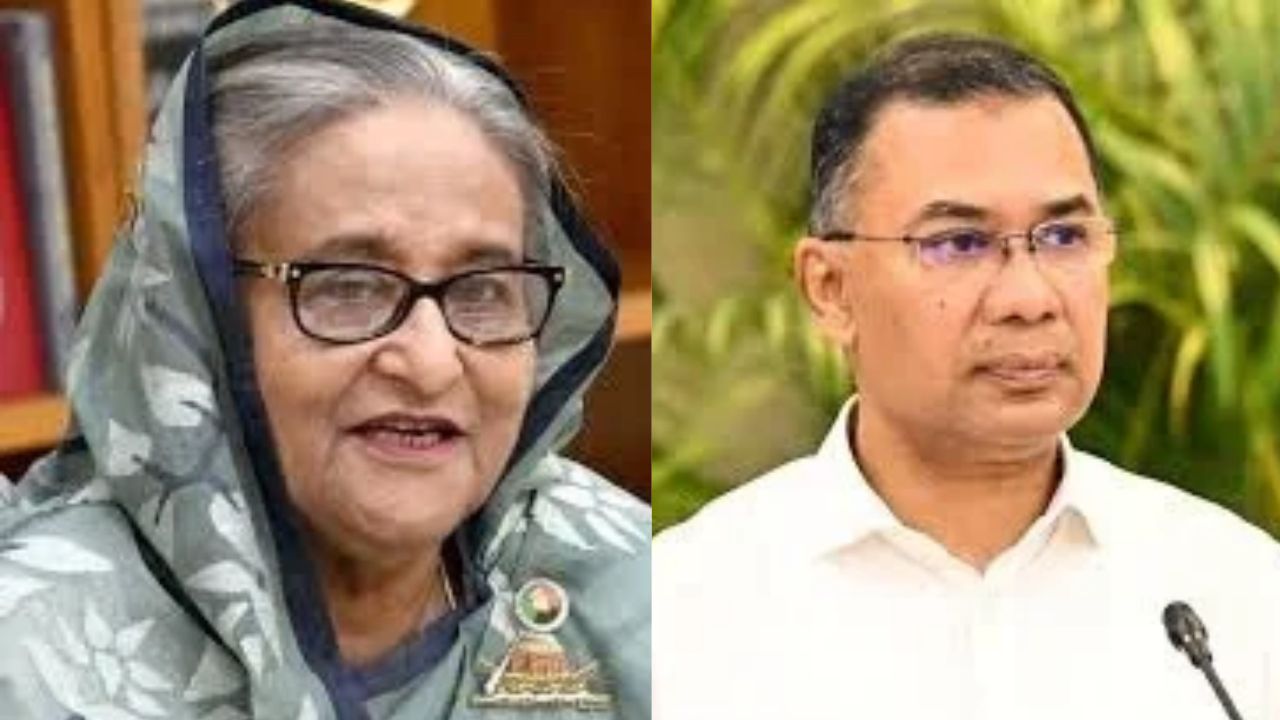
Dhaka: A fresh diplomatic challenge has emerged between India and Bangladesh after Dhaka made Sheikh Hasina's extradition and the transfer of suspects linked to student activist Osman Hadi's killing key conditions for Prime Minister Tarique Rahman's proposed visit to New Delhi.
The Bangladesh Foreign Ministry has said that a favorable diplomatic environment must be created before the high-level visit can move forward. The development has intensified discussions over India-Bangladesh relations, with the Sheikh Hasina issue emerging as a major factor influencing future engagement between the two neighboring countries.
Officials from India and Bangladesh have been in contact for several weeks regarding the possibility of Tarique Rahman's visit. However, Dhaka has now indicated that progress on its extradition requests will be an important factor before finalizing the visit.
Bangladesh's Ministry of Foreign Affairs has urged India to speed up the extradition process of Sheikh Hasina and other individuals wanted by Dhaka. Foreign ministry spokesperson AKM Shahidul Karim said Bangladesh has also requested India to hand over suspects accused in the killing of student leader Osman Hadi under the existing India-Bangladesh extradition framework.
The demand has become a major point of discussion as both nations attempt to stabilize relations following the political transition in Bangladesh. Dhaka has maintained that cooperation on these legal matters is necessary to create a positive atmosphere for future diplomatic engagements, including Tarique Rahman's possible India visit.
Sheikh Hasina Row Becomes Major Flashpoint
The dispute over Sheikh Hasina has remained one of the biggest challenges in India-Bangladesh ties since August 2024, when a student-led uprising and anti-government protests led to the collapse of her government.
After leaving Bangladesh, Hasina moved to India, where she has continued to stay. Dhaka has repeatedly requested her extradition, citing legal proceedings initiated against her.
Bangladesh's International Crimes Tribunal has convicted Hasina in a case related to alleged crimes against humanity during the unrest. The issue has become politically sensitive, with Dhaka demanding her return to face legal proceedings. India has maintained that the extradition request is under examination and will be handled according to established legal procedures and bilateral agreements.
The diplomatic friction increased after Sheikh Hasina participated in a virtual media interaction from Delhi on August 5. Bangladesh objected to the event, arguing that Hasina's public remarks affected efforts to improve relations with India and created difficulties for Tarique Rahman's proposed visit.
Dhaka claimed the interaction damaged the diplomatic environment required for renewed engagement between the two countries. India, however, clarified that the Indian government had no role in organizing the event and did not support or endorse statements made during the interaction.
Osman Hadi Killing Case Adds Pressure
Along with Sheikh Hasina's extradition, Bangladesh has also raised the issue of suspects accused in the killing of student activist Osman Hadi. Hadi was associated with the student movement that played a major role during Bangladesh's political crisis in 2024. His killing in December 2025 triggered further political tensions and public debate inside Bangladesh.
Several suspects in the case were arrested in India, including from areas near the West Bengal-Bangladesh border. Dhaka has sought their transfer under the legal provisions of the India-Bangladesh extradition treaty. The case has added another sensitive issue to ongoing diplomatic discussions between New Delhi and Dhaka.
Tarique Rahman became Bangladesh's Prime Minister in February 2026 and has focused on expanding the country's international engagement. Since taking office, Rahman has visited countries including Malaysia and China, while his possible India visit remains uncertain.
Traditionally, Bangladesh leaders have prioritized India for early foreign visits due to strong historical, economic and strategic connections between the two nations. However, Rahman's foreign outreach has shown a broader diplomatic approach.
Reports about his possible New Delhi visit emerged after meetings between Indian and Bangladeshi officials, including discussions involving Indian High Commissioner Dinesh Trivedi and Bangladesh's leadership. The visit is considered important because India plays a major role in Bangladesh's trade, connectivity, energy cooperation, border security and regional stability.
India-Bangladesh Relations Face New Diplomatic Test
The latest development comes at a crucial stage for India-Bangladesh relations, which have witnessed challenges after the political change in Dhaka. The two countries share deep cultural, economic and strategic ties, but issues such as Sheikh Hasina's extradition, border management, security concerns, minority-related matters and Bangladesh's foreign policy direction have created differences.
Bangladesh has also increased engagement with countries such as China, while India continues to focus on maintaining stability and cooperation in its neighbourhood. Despite differences, both countries remain important partners in areas including regional connectivity, trade, counter-terrorism cooperation and economic development.
The Bangladesh government has reiterated its “Bangladesh First” foreign policy approach, focusing on sovereignty, national interests, non-interference and mutually beneficial relations.
Dhaka has stated that it wants friendly relations with India and other neighboring countries but expects cooperation based on equality, dignity and mutual respect. The policy reflects Bangladesh's attempt to balance domestic political priorities with long-term strategic partnerships.
The future of Tarique Rahman's India visit will depend on further discussions between New Delhi and Dhaka over the extradition-related demands. While Bangladesh continues to push for Sheikh Hasina's return and action against suspects linked to Osman Hadi's killing, India is expected to follow legal and diplomatic procedures before making any decision.
The issue is likely to remain a key factor shaping India-Bangladesh relations in the coming weeks, especially ahead of major regional diplomatic engagements, including upcoming international summits. The latest dispute highlights the complex balance between domestic politics, legal obligations and strategic interests in one of South Asia's most important bilateral relationships.