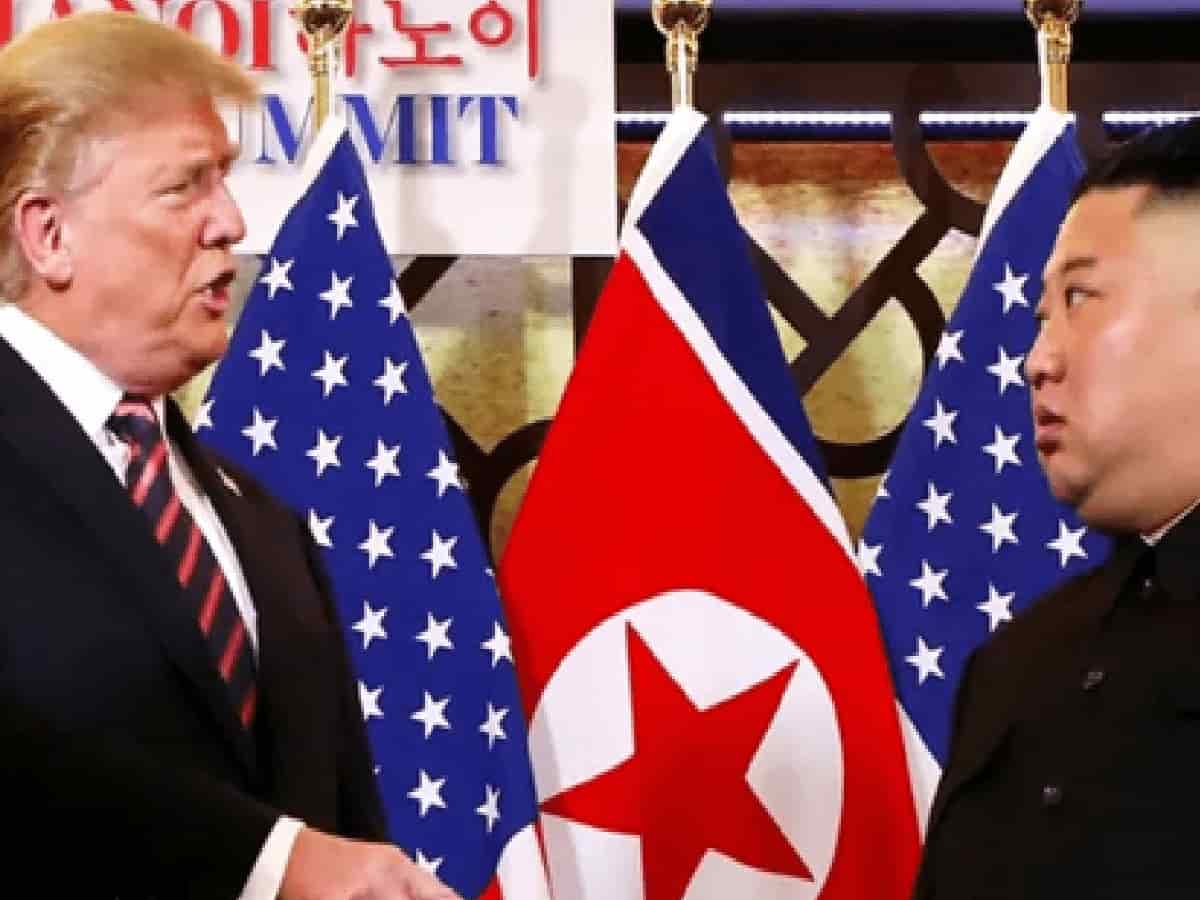
In a striking shift in foreign policy and regional defense posture, US President Donald Trump has officially directed the Pentagon to significantly scale back ongoing joint military exercises with South Korea. The decision comes on the heels of renewed aggressive posturing and direct warnings from North Korean leader Kim Jong-un, alongside rising diplomatic friction between Washington and Seoul regarding strategic cooperation in the Middle East. As geopolitical tensions mount across the Korean Peninsula, the latest White House directive has sent shockwaves through traditional defense alliances in the Indo-Pacific.
Why Trump Shifted Stance on South Korea Exercises
The policy pivot was announced by President Trump via social media, where he publicly expressed frustration over South Korea’s reluctance to align with US-led diplomatic and strategic initiatives concerning Iran. Trump revealed that he had formally requested South Korean leadership to join broader international efforts addressing Iran, a proposition that Seoul reportedly declined.
Furthermore, the US President criticized the financial burden of the military drills, arguing that large-scale maneuvers send unnecessary and hostile signals to North Korea. Highlighting what he characterized as a relatively non-threatening posture from Pyongyang during his tenure, Trump instructed US Secretary of Defense Pete Hegseth to curtail the scope of the 11-day joint exercises, which involve approximately 18,000 South Korean troops designed to maintain readiness against regional provocations.
Kim Jong-un’s Retaliatory Threats and Missile Testing
The scaling back of military drills follows intense friction sparked by North Korea’s recent actions. Just days prior to the maneuvers, North Korean dictator Kim Jong-un vehemently condemned the exercises, labeling them an aggressive rehearsal for war and threatening severe retaliatory measures against both the United States and South Korea.
The security climate has grown increasingly fragile following Pyongyang’s resumption of ballistic missile testing. Earlier in the month, intelligence agencies from the US, South Korea, and Japan detected the launch of a short-range ballistic missile—marking North Korea’s first such provocation since late June and underscoring the volatile security landscape that the joint operations were originally intended to deter.
Praise for the Makkah Defense Agreement
Amidst recalibrating American military posture in Asia, President Trump also turned his attention to Middle Eastern geopolitics, offering public praise for the newly signed Makkah Joint Defense Agreement. Taking to social media, Trump expressed strong approval of the strategic pact forged between Saudi Arabia, Turkey, and Pakistan, signaling a broader realignment of international security partnerships across multiple strategic theaters.