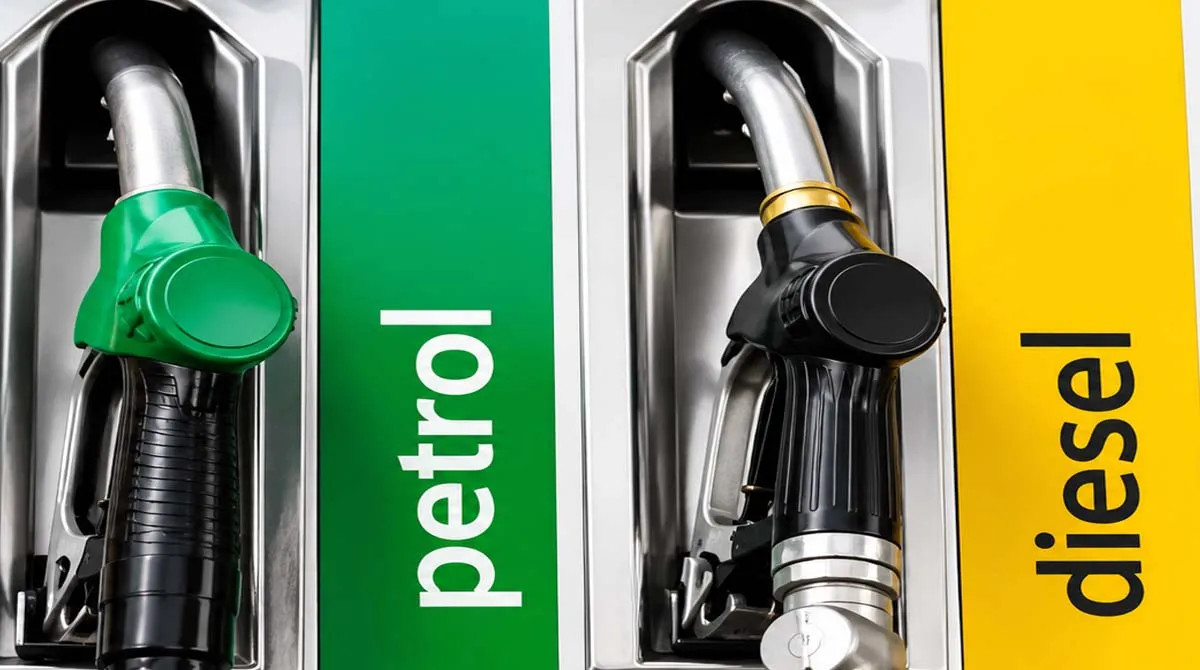
Chief Economic Advisor (CEA) of the Government of India, V. Ananth Nageswaran has given a very relief suggestion for the owners of middle class and old vehicles of the country. He has advocated reintroduction of low ethanol blended fuel like E10 at petrol pumps for older vehicles.
According to Nageswaran, about 7.5 to 8 crore old two-wheelers are running on the roads in India, whose engines and seals are not compatible with the new E20 petrol. Retrofitting vehicles to make them E20 compatible is a very expensive process and can take a lot of time.
Along with this, he stressed on the serious issue of 'Food vs Fuel' (Food Security vs Fuel) and said that before moving ahead with E20, there should be a complete cost-benefit analysis of the country's land, water and cropping patterns. Currently, corn provides half of ethanol production, competing directly with food crops. However, the government has currently adopted the stance of keeping E20 as standard and not making different grades available.
Big challenge for old vehicles
There are about 7.5 to 8 crore two-wheelers in the country which were made before the implementation of BS-4 standard. Most of these vehicles have an old carburetor system, which is not able to adjust itself by sensing the amount of extra oxygen in the fuel. Additionally, old rubber seals can also deteriorate quickly from continued exposure to ethanol.
Replacing these old vehicles with ethanol-friendly parts is technically possible, but the cost will be very high and the entire process may take years. That is why bringing back the E10 option with low ethanol blend at petrol pumps can prove to be a big relief step for these vehicles and their owners.
The real issue of food vs fuel
According to Nageswaran, engine concerns alone are not the main debate in the matter. The most real and serious issue is how the crop pattern of the country is changing due to ethanol production.
Once land and water resources are tied up in fuel production, it becomes extremely difficult to divert them back to the cultivation of food crops. Therefore, the government should first take policy decisions that can be easily changed, and proceed with long-term, far-reaching decisions only after thorough scrutiny.
Increasing dominance of corn in ethanol production
Maize now contributes almost half of the ethanol production in the country. Maize for making ethanol is purchased at the fixed government price, due to which this crop remains quite attractive for farmers even when the open market price falls.
But it also has side-effects. The grain left after distillation is sold in the market as cheap animal feed, which puts huge pressure on the prices of soybean meal and reduces the enthusiasm of the oilseed farmers of the country.
Government's current stance
On the other hand, the government currently says that E20 will remain the standard petrol mix in the country. Making different grades of fuel available at petrol pumps will significantly increase the cost and complexity of logistics for the government and petroleum companies.
Government data claims that using E20 in older vehicles designed for E10 may result in a slight reduction in fuel efficiency of 3 to 5 percent, but there is no concrete evidence of any major damage to the engine.
Future path and important suggestions
V. Ananth Nageswaran's clear suggestion is to immediately bring back E10 petrol to protect older vehicles. Additionally, unfair advantages enjoyed by maize, its pricing and water use distortions should be corrected and import duties on edible oils should be reconsidered.
He believes that the government should stop at the E20 level for now and take further steps only after a complete economic assessment of the 'food-fuel trade-off' is done.