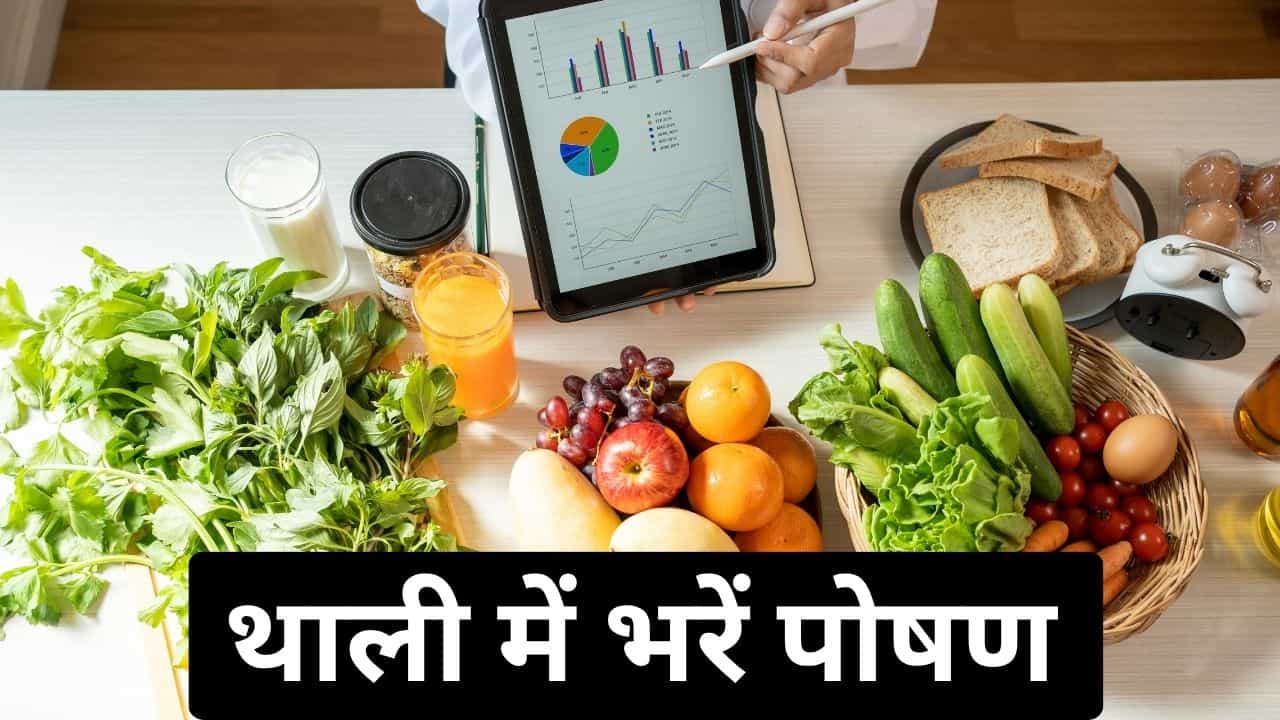
In this modern era of fast food, packaged snacks, excessive oil-spices and irregular daily routine, every second person is struggling with obesity, diabetes, high blood pressure, fatty liver or digestive disorders. Most people do not understand that staying healthy does not require expensive supplements or crash diets, but the right balance and discipline in the everyday plate. Keeping this serious challenge in mind, the food quality and nutrition regulatory body in the country 'Food Safety and Standards Authority of India' (FSSAI) has issued information to the common citizens under its 'Eat Right India' campaign. '5-P' diet formula Special advisory has been issued to follow. This 5-P rule, certified by nutritionists and health scientists, summarizes the entire science from planning food to cooking and chewing it in five easy steps, which proves helpful in improving the body's metabolism and keeping it healthy for a long life.
FSSAI's '5-P' Formula: How to apply the 5-P rule on the plate for a healthy life and long life?
Following are the five key pillars of the '5-P' rule suggested by FSSAI, which every family should make an essential part of their daily cooking and eating habits:
1. First P – Plan (Plan: Pre-preparation of balanced meal) Any healthy lifestyle starts with good planning. Often when people do not plan their meals in advance, when they feel hungry, they immediately order junk food online or eat fried snacks kept at home.
-
Weekly Meal Planning: Decide at the beginning of the week what will be for breakfast, lunch and dinner throughout the week so that all the essential nutrients (proteins, carbohydrates, healthy fats, vitamins and minerals) are included.
-
Smart Grocery Shopping: Make a list in advance while going to the market or supermarket. Avoid shopping on an empty stomach as you are most likely to buy processed foods, chips and sugary drinks at such times.
-
Balance of Materials: Give preference to whole grains (coarse grains/millets like bajra, jowar, ragi), pulses, nuts and indigenous seeds in your kitchen instead of refined flour, white sugar and refined oil.
2. Second P – Portion (Portion Control: Safeguard against overeating) From Ayurveda to modern nutrition science, everyone agrees that what you eat is more important than how you eat it. how much amount eat in. Nutritious food eaten in excessive quantities also increases fat and toxins in the body.
-
Following the 'My Plate' rule: Divide your food plate into four parts. Half (50%) of the plate should be filled with fresh green vegetables and salads. One-fourth (25%) of the portion should be quality protein like lentils, paneer, tofu, eggs or sprouts, and the remaining one-fourth (25%) should be whole grains (brown rice, multigrain roti).
-
Use of small plate: Use medium or small plates instead of big plates to eat food. Due to this, one feels mentally satisfied even in small quantities and the calorie intake is automatically controlled.
3. Third P – Preparation (Correct method of cooking: save nutrition, not poison) The nutrients used in food depend on how you cook it. Improperly cooked food completely loses its nutritional value.
-
Distance from deep frying: Avoid deep frying food repeatedly on high flame. Instead of frying, boiling, steaming, baking or roasting are the healthiest options.
-
Less and correct use of oil: Minimize the use of oil, salt and sugar as per FSSAI's 'less than today' rule. Never cook with reheated oil, as it becomes the biggest source of trans fat and carcinogens.
-
Wash vegetables before cutting: Washing green vegetables after cutting causes their water-soluble vitamins (vitamin B and C) to wash away with water, so always cut them after washing.
4. Fourth P – Produce (Fresh and seasonal fruits and vegetables: rainbow platter) Nature has determined fruits and vegetables according to the physical needs of every season. FSSAI emphasizes on making locally grown fresh produce (Local & Seasonal Produce) the mainstay of the diet.
-
Rainbow Diet: Make your plate colourful. Red (tomato, pomegranate), green (spinach, fenugreek, bottle gourd), yellow/orange (carrot, papaya, pumpkin) and purple (brinjal, beetroot) colored foods contain various types of 'antioxidants' and phytonutrients which increase the body's immunity.
-
Avoid ultra-processed foods: Eat natural fruits and raw vegetables straight from the farm instead of packaged juices, canned fruits and food items containing preservatives.
5. Fifth P – Patience & Presence (Patience and Mindful Eating: Eating with a calm mind) Food is not just a process of filling the stomach, but a ritual that gives energy to the body. In today's rush, people consume food in 5 minutes while watching mobile, in front of TV or in a hurry.
-
Rule of chewing 32 times: Eat food very slowly and chew it thoroughly. When you chew, the digestive enzymes (Amylase) present in the saliva of the mouth start the digestion of carbohydrates in the mouth itself, which does not put pressure on the intestines.
-
Screen-Free Eating (Mindful Eating): Keep mobile phones, laptops and TV completely switched off while eating. When you pay attention to the color, aroma and taste of food, the 'satiety signal' between the brain and stomach works at the right time and you get the right signal to feel full within 20 minutes.
Impact of FSSAI's 5-P formula on lifestyle diseases
When a person adopts this 5-P rule in his daily routine for 3 to 6 months continuously, many positive clinical changes are seen in his body:
-
Weight and Belly Fat Reduction: Portion control and mindful eating stops unnecessary snacking and causes stubborn visceral fat to melt away faster.
-
Improves insulin sensitivity: The right ratio of fiber and whole grains prevents postprandial spike in blood sugar, thereby reducing the dependence on medicines of type-2 diabetes patients.
-
Better health of heart and blood pressure: Reduction in salt and trans fats increases the flexibility of the arteries and keeps the level of bad cholesterol (LDL) under control.
-
Strong Gut Health and Digestion: Chewing food slowly and consuming seasonal fruits and vegetables increases the number of 'good bacteria' (microbiome) in the intestines, which eliminates the chronic problems of gas, acidity and constipation.