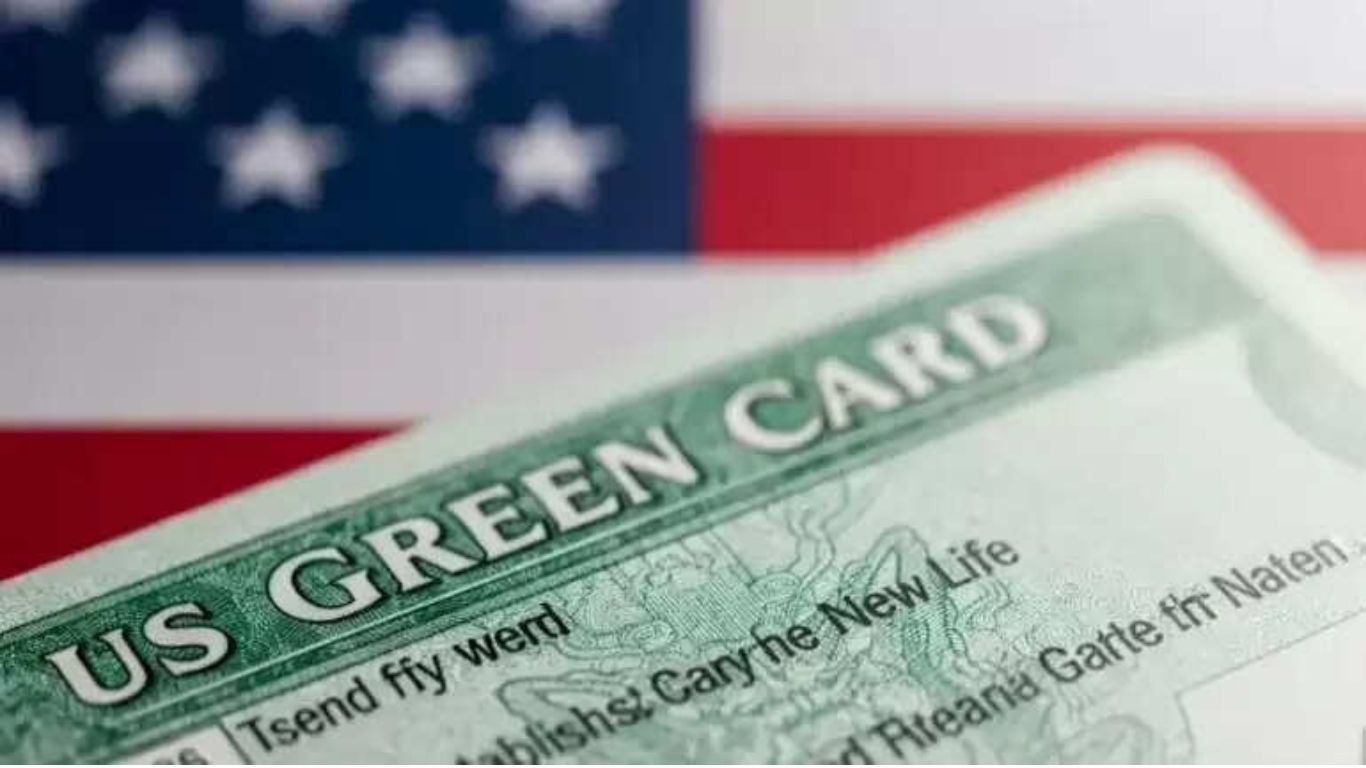
New Delhi: The dream of settling in the United States and securing a Green Card may become more challenging for many immigrants, especially Indians waiting in long employment-based backlogs. The Trump administration has introduced stricter guidelines related to the “public charge” rule, bringing major changes to the Green Card approval process.
The revised policy is expected to impact thousands of Indian professionals who have been waiting for years to move forward with their permanent residency applications and are preparing to file Form I-485.
What is the Public Charge Rule?
The “public charge” rule allows US immigration authorities to examine whether an applicant is likely to become dependent on government-funded benefits for financial support.
If officials determine that an individual may rely on certain government assistance in the future, the Green Card application could face additional scrutiny or rejection.
The new guidelines issued by US Citizenship and Immigration Services (USCIS) are set to take effect from September 18, 2026.
Stricter Review of Financial Background
Under the updated rules, USCIS officers will conduct a detailed evaluation of an applicant's overall circumstances rather than considering a single factor.
Officials may review:
- Age and health condition of the applicant
- Family circumstances
- financial assets and resources
- Education and professional skills
- Employment history and future job prospects
- Possible salary and employment opportunities
Applicants may also be asked to provide additional proof regarding their ability to support themselves financially in the US.
How Will Indian Green Card Applicants Be Affected?
The new rules are expected to create additional challenges for Indian professionals who have spent years waiting in the employment-based Green Card backlog.
Many applicants, particularly those filing Form I-485, may face closer checks related to their income stability, employment status, and future career prospects.
However, there is some relief for H-1B visa holders. Routine H-1B processes, including extensions, amendments, employer changes, and H-4 visa extensions or status changes, are not directly covered under the new public charge assessment.
US Layoffs Increase Anxiety Among Indian Professionals
Recent layoffs in the US technology sector and other industries have increased concerns among Indian immigrants.
Experts clarify that losing a job alone will not automatically classify someone as a “public charge.” However, USCIS may consider factors such as previous employment, salary history, professional skills, and the possibility of finding new work.
Elderly Parents Could Face Greater Challenges
Immigration experts have warned that elderly parents sponsored by their children may face greater difficulties under the revised guidelines, especially if they have health-related issues and the financial sponsor does not meet the required criteria.
Will Using Government Benefits Automatically Reject a Green Card Application?
No. Receiving government assistance does not automatically lead to Green Card rejection.
USCIS will evaluate each case individually by considering the complete financial and personal situation of the applicant. A single factor, such as receiving a benefit, will not determine the final decision on its own.