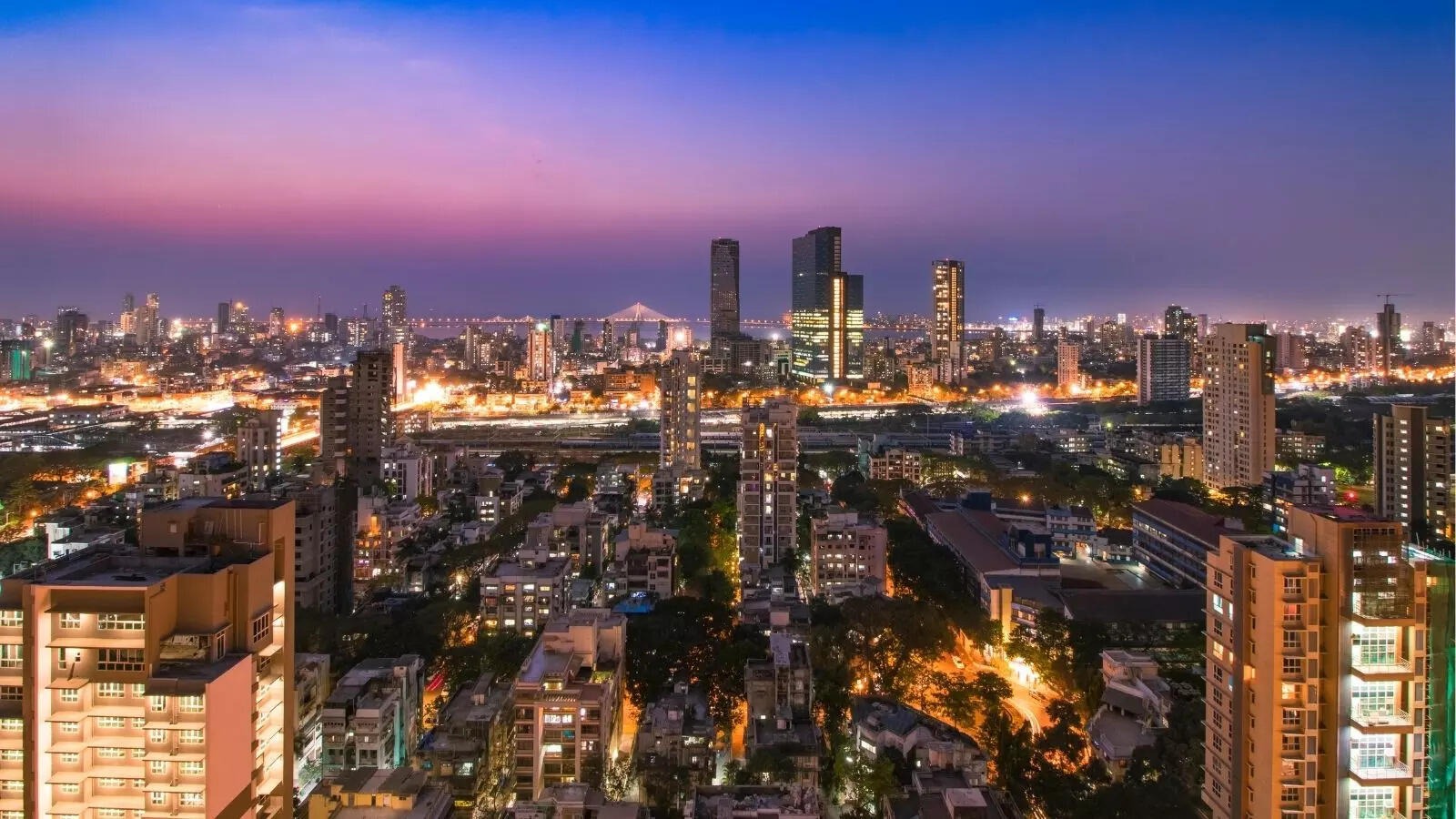
Today, the shine of Mumbai city, which is called the financial capital of the country and Mayanagari, is famous all over the world. From Bollywood to the stock market, the pace of this city attracts everyone. But do you know that this city was once a group of seven different small islands? Yes, engineers and administrators played a historic and pivotal role during the British rule in shaping the grand Mumbai metropolis that we see today. This story of connecting these scattered islands surrounded by water and creating an integral metropolis is very exciting. Ancient Bombay was originally a group of seven islands. Before the arrival of the Portuguese and the British, Bombay (now Mumbai) was not a single city, rather it was a small archipelago of seven different islands located in the Arabian Sea. These seven islands included Colaba, Old Woman's Island, Bombay, Mazgaon, Parel, Mahim and Worli. At that time there was sea water between all these islands and people used boats to go from one place to another. These areas were mainly inhabited by fishermen and people of the local Koli community, who depended on their traditional livelihood. The British East India Company and the Reclamation Period When the British took control of Bombay from the Portuguese, they realized the strategic and commercial importance of the place. The British East India Company decided to make this natural harbor a major trading center. For this it was necessary to connect these scattered islands. It was from here that the huge project of 'Land Reclamation' i.e. creating land by filling part of the sea started. After many decades of hard work, engineers created paths through the sea, built walls and separated the water through drains and created a united landmass by connecting these seven islands. How today's modern Mumbai took shape: These engineering projects carried out during the nineteenth and twentieth centuries completely changed the geographical location of Bombay. The distance between the islands was bridged by projects such as the Hornbearer Causeway and Byculla. After the land was leveled, a network of railway lines was laid here, big buildings were built and the port was expanded. Gradually this area became a major center of trade of India and the British Raj. Today's modern Mumbai is the result of the same historical engineering marvel and British-era foresight that made this archipelago the heartbeat of India.