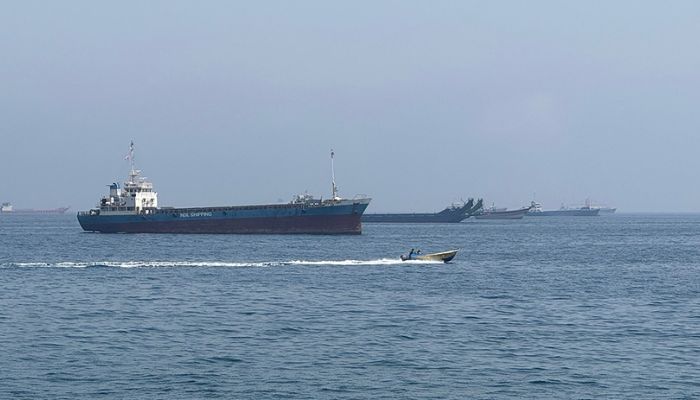
Tensions between the US and Iran over the Strait of Hormuz, a strategic sea route in the Persian Gulf, have become more serious. The US has issued a clear warning to ships and shipping companies around the world that they could be subject to US sanctions if they exchange information with certain Iranian entities while transiting through Hormuz. Notably, according to the US, ships and companies may face sanctions even if there is no financial transaction for providing such information.
US stern warning, three Iranian organizations on target
The US Treasury Department’s Office of Foreign Assets Control (OFAC) has warned the international shipping sector in this regard. Washington has specifically targeted three Iranian entities. These include the Persian Gulf Straits Authority, the Persian Gulf Marine Insurance Company and the HormuzSafe Marine Services Authority. The US says that information sought from these organizations could have serious consequences if it is shared by ships or shipping companies. The move is seen as part of the US strategy to increase economic pressure on Iran. Earlier, the US had also warned international ships against paying any kind of toll or charge to Iran to pass through Hormuz.
Iran retaliates, prompts action against ships
Iran has also given a strong response to America’s warning. Iranian organizations have termed the US move as ‘economic terrorism’. Iran has claimed that a total of 46 ships violated its transit protocol. These ships have also been threatened with heavy fines, custody or confiscation in the future. This situation has raised concerns about maritime trade and security of ships in the Persian Gulf region. Uncertainty is increasing for merchant ships passing through Hormuz as strict statements continue to come from both the US and Iran.
Crude oil and LNG supply could have major impact
The Strait of Hormuz is one of the world’s most important energy routes. A large number of vessels carrying oil and LNG pass through this route. A reduction in shipping traffic on this route could have a direct impact on the global energy market due to rising tensions between the US and Iran. Concerns over prices and supply in the international market may rise amid fears of supply disruptions in crude oil and LNG. If the movement of commercial ships from Hormuz is affected for a long time, its impact will not be limited to the US and Iran, but may also affect the energy market and maritime trade of many countries of the world, including Asia.