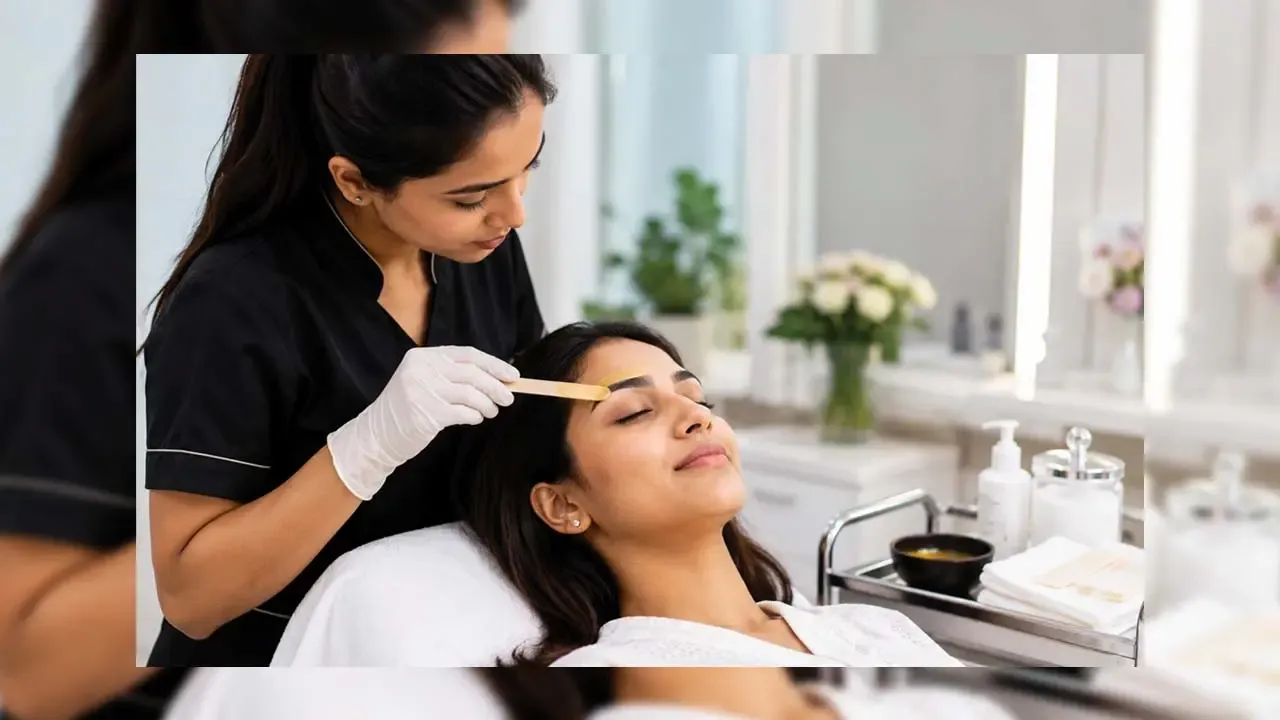
The risk of infection during eyebrow shaping increases due to moisture and bacteria in monsoon. ‘Threading’ is safer than waxing if hygiene is followed, as there is less risk of peeling off the top layer of skin or irritation from the hot wax.
Most women update their grooming routine as soon as the rainy season starts. Eyebrow shaping is also an important part of this. Generally, two methods are most popular for shaping eyebrows – threading and waxing. But during the monsoon season, the risk of skin infection also increases due to increased humidity, sweat and bacterial activity. In such a situation, the question arises that which option is safer for eyebrows? Let us know about this from Dr. Nivedita Dadu, Founder and Chief Dermatologist of Dadu Medical Center, New Delhi.
How is skin affected by threading?
In threading, hair is removed from the root with the help of cotton thread. This is a precise technique and is quite popular for giving the desired shape to the eyebrows. However, if the thread used is not clean or the technician’s hand hygiene is not maintained, micro cuts or micro trauma may occur on the skin. Bacteria can enter the skin through these small wounds. People with sensitive skin may notice redness, irritation, or small rashes after threading. Excessive sweating during monsoon can further aggravate these problems.
What are the risks of waxing?
Eyebrow waxing involves removing hair using hot or cold wax. This process is fast, but is not always considered suitable for delicate facial skin. Wax can also affect the top layer of skin, making the skin more sensitive for a period of time. If proper skin care is not taken after waxing, the risk of bacterial infection, folliculitis (hair follicle infection) or allergic reaction may increase. Choosing the right option between eyebrow threading and waxing during monsoon is very important to protect the skin. By taking care of cleanliness, the risk of bacterial infection can be reduced to a great extent.
Due to high humidity in monsoon, bacteria and fungus can grow rapidly on the skin. In such a situation, the pores opened after waxing become more sensitive to infection.
Which option is better in monsoon
Under normal circumstances, threading is considered a relatively safe option for eyebrows because it does not use any chemicals or hot wax. However, safety also depends on how clean the conditions are when the procedure is performed. If clean threads, sanitized equipment and proper hygiene is followed in the salon, the risk of infection can be significantly reduced. Comparative illustration of two methods of eyebrow grooming in a salon – precise shaping by threading on the left, and hair removal by waxing on the right. On the other hand, people who have very sensitive skin, have active acne, or are using retinol and exfoliating treatments should be extra careful with waxing.
Take these precautions to avoid infection
1. Choose only clean and reliable salons.
2. Do not repeatedly touch the eyebrow area with hands before and after the procedure.
3. Avoid applying heavy makeup immediately after threading or waxing.
4. If there is redness or irritation on the skin, consult a dermatologist.
5. Keep the skin clean and dry after the procedure.
During the monsoon season, the risk of skin infections is higher than normal due to increased moisture and bacteria. Threading for eyebrow shaping is generally considered a safer option than waxing, provided hygiene is maintained. Eyebrow lamination is viral on social media, know its advantages and disadvantages-
Is waxing safe for sensitive skin?
Waxing can be a bit risky for sensitive skin, especially during monsoon. Wax also affects the upper layer of the skin, making the skin more delicate and reactive. Due to moisture, bacteria can easily enter the open pores, increasing the risk of infection, irritation or allergies. In such a situation, threading is generally considered a better and safer option for those with sensitive skin.
Can pimples appear after eyebrow threading in monsoon?
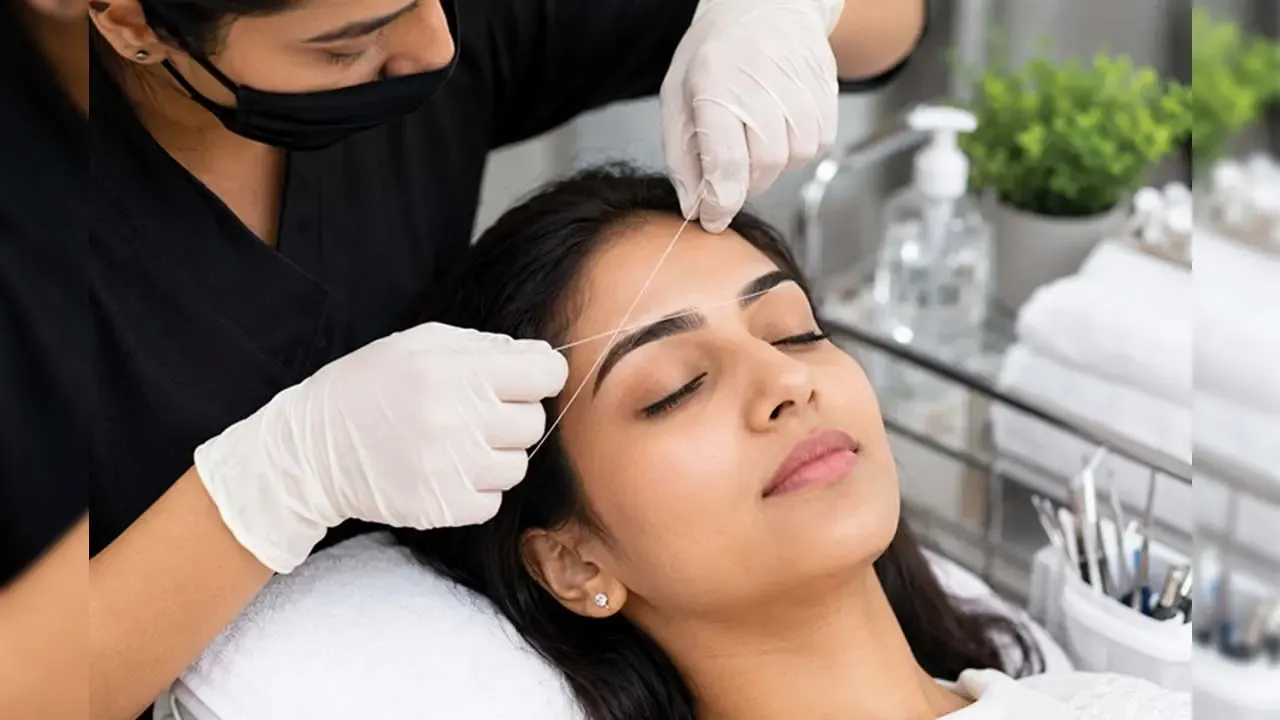
Yes, due to excessive humidity and sweating in monsoon, bacteria grow rapidly on the skin. During threading, slight micro cuts can be made on the skin, due to which bacteria can enter inside and cause small pimples or rashes. If your skin is oily or acne-prone, this problem may increase further. Therefore, after threading, it is important to keep the skin clean, avoid touching it repeatedly and apply light gel.
Why does burning sensation occur after threading?
During threading, the hair is pulled from the root, causing slight tension and micro trauma to the skin. If the thread used is not clean, the skin is already dry or sensitive, or the technique is not correct, then irritation and redness may be felt more. Sweating during monsoon can further increase this irritation. Therefore, after threading, applying cold water, aloe vera gel or cream provides relief.
Can aloe vera gel be applied after threading?
Yes, applying aloe vera gel after threading is very beneficial. It cools the skin, reduces irritation and redness and also keeps the skin hydrated. Especially during monsoon, when the skin reacts quickly, aloe vera acts as a natural soothing agent. Make sure that the gel is clean and of good quality.
How often should eyebrows be done?
The frequency of getting eyebrows done depends on the hair growth of each person. Usually threading or waxing can be done once in 2-3 weeks. Those whose hair growth is fast may need it more often, while for some people a gap of 3-4 weeks is also sufficient. Getting it done too often during monsoon exposes the skin again and again, so it is better to keep a little gap.
FAQ
Is waxing safe in monsoon for sensitive skin?
No, waxing during monsoon can be risky for sensitive skin as it removes the protective layer of the skin, which allows bacteria to enter the open pores rapidly and spread infection.
Why does pimple appear after eyebrow threading in monsoon?
Due to sweat and excessive moisture in the air, bacteria enter the small micro cuts made by threading, causing red pimples or rashes.
What to apply to soothe irritation immediately after threading?
After threading, pure aloe vera gel, ice compress or rose water should be applied which cools the skin and immediately reduces irritation and redness.
At what interval should eyebrows be done?
Generally, eyebrows should be done once in 2 to 3 weeks according to the growth of hair so that the skin gets full time to recover.
Should makeup be applied after threading?
Any kind of heavy foundation or chemical products should be avoided for at least 12 hours after threading so that the open pores do not get clogged and cause infection.