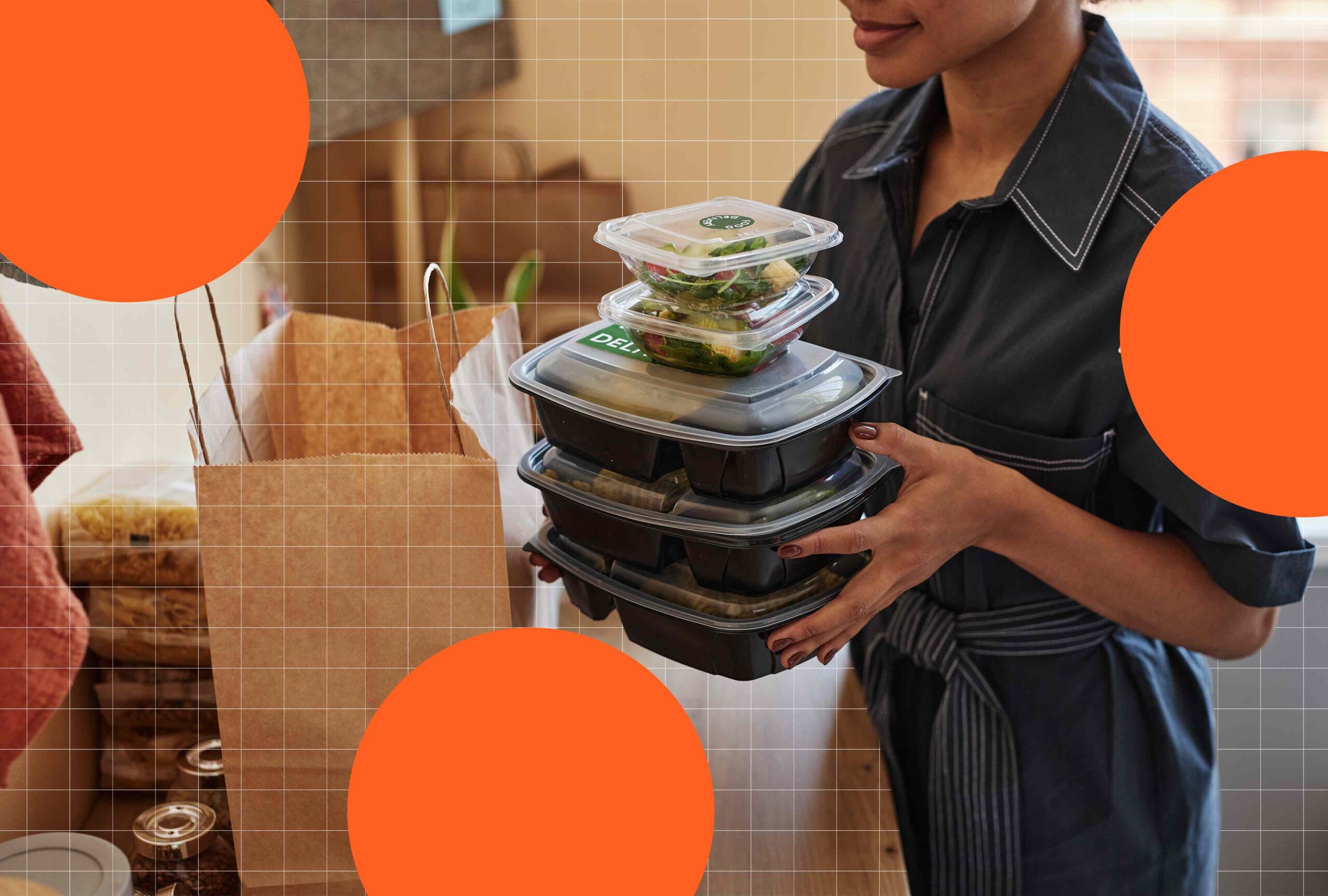
The containers you use—and how you use them—can make a difference in keeping foods fresh.
Reviewed by Dietitian Jessica Ball, M.S., RD
Key Points
- Making small changes in how you cool, store and reheat food can help ensure safety.
- Misusing plastic storage containers can increase exposure to microplastics.
- Choosing the right storage container can help your food last longer.
Many of us give a great deal of thought to what we eat, but when was the last time you considered the containers you store your food in? If you haven’t given your food storage containers much consideration, you’re not alone. “Unfortunately, most of us (myself included) might be using food storage containers unsafely,” says Megan Meyer, Ph.D., a food and nutrition expert with a doctorate in microbiology and immunology.
Keep reading to learn which food storage mistakes are most common and why they matter. And don’t worry, if you’re like me and find yourself guilty of most (or all) of the following mistakes, food experts share simple fixes for each, helping you confidently store your food so it stays at its best for you and your family.
Reusing Single-Use Takeout Containers
If your favorite takeout place switched from styrofoam to heavy-duty plastic containers, you may have thought they seem like the perfect (free) containers to reuse at home. But sturdy isn’t always the same thing as durable, especially when it comes to single-use food containers. “These types of containers aren’t designed for repeated use, and they can degrade over time,” says Samantha Cassetty, M.S., RD.
You can’t always see the degradation, either. Many single-use food storage containers are made from polypropylene, which can release more microplastics the longer food sits in the refrigerator, and even more each time it’s put in the microwave. Those containers are built to transfer food from the restaurant to your home, not for weeks or months of repeated washing, refrigeration and heating. Instead, invest in glass food containers, which can be rewashed and used indefinitely.
Storing Moist Foods in Plastic Wrap
One way many of us reduce food waste is to wrap leftover portions of avocado, apples, lemons or cheese in a piece of plastic wrap. The idea is that wrapping protects them from contamination, and keeps them fresher and ready to use again. But plastic wrap may also expose your food to microplastics. One study on low-density polyethylene films—which include most common stretchy, clear, plastic food wraps—found that when plastic wraps in moist conditions were microwaved, steamed, refrigerated, frozen and/or thawed it led to an increase in the release of microplastics and chemicals. They found almost no increase when plastic wrap was exposed to water, but without temperature changes.
To create a buffer, use plastic wrap to cover a dish, rather than having it in direct contact with food, or use an alternative. “I recommend swapping it for beeswax wrap instead. It’s made from cotton infused with beeswax, so you get the same moldable, clingy quality that makes plastic wrap so convenient, but it’s reusable, washable, durable and plastic-free,” says Meyer.
Keeping Produce in Grocery Store Produce Bags
To keep your bulk apples, peppers or potatoes from rolling around your cart, you may toss them into one of the thin plastic produce bags at the store. Those bags do their job in the store, but they’re not made for storing your food once you get home. “The plastic traps moisture unevenly, accelerating spoilage,” says Meyer.
You can either remove your produce as soon as you get home, or replace them with washable mesh or fabric produce bags. Meyer recommends reusable 100% cotton produce bags to wrangle produce in the store and at home. “They’re breathable, which helps regulate moisture around fruits and vegetables far better than plastic does, and they cut down on the sheer volume of single-use plastic moving through your kitchen every week,” says Meyer.
Microwaving Food in Plastic Containers
“Microwaving in plastics can leach microplastics into your food, especially if the container isn’t designed for the microwave, like an old margarine tub or takeout container,” says Jennifer House, M.Sc., RD. Research backs this up: One study found that just three minutes of microwaving released as many as 4.22 million microplastics per square centimeter of plastic surface.
You can significantly reduce your exposure—even if you’re not able to swap all of your storage containers for glass, metal or ceramic options—just by moving food to a microwave-safe glass or ceramic plate before heating it in the microwave.
Not Labeling Food Storage Containers
If you’re counting on memory or the smell or appearance of your leftovers to tell you whether they’re safe to eat or should be discarded, you’re taking an unnecessary risk that could make you, or your family, sick. “Once food is transferred into a food storage container, it’s easy to lose track of how long it’s been stored, which can lead to consuming food past its prime,” says Cassetty.
Most leftovers can be stored in the refrigerator for three to four days, but past that point, bacteria have a greater chance of multiplying to unsafe levels. “Food spoilage isn’t always obvious, so you may not notice you’re eating something harboring a foodborne organism,” says Cassetty. To prevent eating leftovers past their prime, keep a roll of masking tape and a marker near the refrigerator and date your leftovers as you store them.
Storing Salad Greens in Original Containers
Plastic salad and herb containers help keep contaminants out of your leafy greens at the store, but they can also speed up spoilage in your refrigerator at home. Moisture that builds up, either from washing the greens or temperature changes during your trip home, stays trapped in the container, increasing the rate at which your greens wilt and rot.
To help salad greens and herbs stay fresh, ditch the plastic boxes and store them in a moisture-wicking material instead. “I now wrap herbs and some leafy greens (think collards, kale, etc) in a 100% cotton dish towel before refrigerating them,” says Meyer. While you can buy specialty produce towels to do the job, any cotton hand towel will do the trick.
Putting Hot Foods in the Freezer or Refrigerator
When finishing dinner in a hurry, it may be tempting to pack the hot leftovers into a container and shove the whole thing in the refrigerator or freezer. They’ll cool down eventually, right? While packing hot leftovers into shallow dishes cools them quickly, a big pot of soup or stew can cause problems.
A big, deep container of hot food cools slowly, raising the temperature around it and potentially pushing neighboring foods into the temperature danger zone. “Instead, cool hot food in shallow dishes for no more than two hours at room temperature, or in the refrigerator,” says House. A shallow dish helps food cool faster, so it moves out of the temperature danger zone faster and your refrigerator or freezer recovers its temperature more quickly.
The FDA says food should cool from 135°F to 41°F within six hours, going from full heat to 75°F in two hours or less.
Other Food Storage Mistakes
- Storing food at room temperature. Just because you purchase something unrefrigerated doesn’t mean it’s safe to store it at room temperature at home. Many shelf-stable foods like ketchup, maple syrup and jam need to be refrigerated after opening. For other foods, refrigeration or freezing will help maintain quality, but isn’t necessary for safety. Cassetty explains that some foods, like walnuts and other nuts and seeds, are fine on the shelf for a short time, but for longer-term storage, they should be refrigerated or frozen to keep them fresh.
- Freezing containers that are not freezer-safe. If you’ve ever had to clean broken glass out of your freezer or had a glass container break and ruin the food inside, you know how important it is to freeze only in containers appropriate for freezer temperatures. Stainless steel, silicone and tempered glass rated for freezing are all safe, while regular glass jars have a higher risk of cracking or shattering.
- Using scratched or cracked containers. Food storage containers can be pricey, so it makes sense to use one until it’s absolutely worn out. However, you’ll want to toss them at the first signs of scratches or cracks, especially with plastic or ceramic containers, says Whitney Stuart, M.S., RD, CDCES. Scratches and cracks can harbor bacteria and can be difficult to fully clean and sanitize, increasing the risk of foodborne illness.
Our Expert Take
If you’re guilty of these food storage mistakes, the good news is that fixing them often requires just one simple swap, and you may even have what you need on hand. Dating leftovers, cooling foods in shallow containers and ditching scratched or cracked containers can help reduce the risk of foodborne illness. Ditching single-use takeout boxes and making gradual upgrades to glass, ceramic or stainless steel containers, a few cotton produce bags and beeswax wraps can all help keep your food fresh while reducing your exposure to microplastics. Proper food storage is just another part of cooking and enjoying delicious, healthy foods.