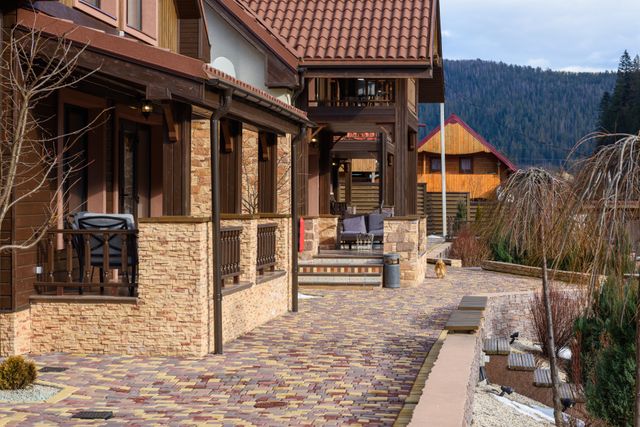
Dublin’s skyline continues to evolve at an unprecedented pace, with construction cranes dotting the horizon and new housing developments emerging across the capital and its surrounding counties. As Ireland’s housing crisis drives ambitious building targets, an unexpected beneficiary of this construction boom has emerged: the patio paving industry. What was once a modest sector servicing established homeowners has transformed into a thriving business, riding the wave of new residential construction and changing homeowner expectations about outdoor living spaces.
The Housing Surge: Setting the Stage for Growth
The demand for housing in Dublin has reached historic levels, driven by population growth, economic expansion, and years of underbuilding. The Irish government’s ambitious Housing for All plan aims to deliver an average of 33,000 new homes annually until 2030, with a significant proportion concentrated in Dublin and its commuter belt. This construction frenzy has created a ripple effect throughout related industries, with patio paving contractors finding themselves busier than ever.
New housing developments, whether sprawling suburban estates or compact urban infills, increasingly include outdoor spaces as standard features. Even modest semi-detached homes now come with rear gardens, and apartment complexes boast communal courtyards and private balconies requiring quality hard landscaping. This shift reflects changing attitudes towards home design, where outdoor living spaces are no longer afterthoughts but integral components of modern Irish homes.
Why New Homeowners are Investing in Patio Paving
The demographic profile of Dublin’s new homeowners provides crucial insight into the paving industry’s boom. First-time buyers, young families, and professionals relocating to the capital share common priorities: they want move-in-ready homes with minimal maintenance requirements and maximum functionality. A well-designed paved patio ticks all these boxes.
Unlike traditional lawns that require regular mowing, feeding, and seasonal care, paved patios offer year-round usability with minimal upkeep. For time-poor professionals juggling careers and family commitments, this low-maintenance appeal proves irresistible. Additionally, the Irish climate’s unpredictability makes grass gardens muddy and unusable for significant portions of the year, whereas paved surfaces provide reliable outdoor access regardless of recent rainfall.
The investment perspective also drives demand. New homeowners recognise that quality hard landscaping adds tangible value to their properties. In Dublin’s competitive housing market, a professionally paved patio can differentiate a property from similar listings and potentially add thousands of euros to resale value. For many buyers, commissioning patio work within the first year of ownership represents a strategic improvement rather than a discretionary luxury.
Evolving Design Preferences and Material Innovations
The patio paving industry’s growth isn’t merely quantitative; it’s also qualitative, with clients demanding increasingly sophisticated designs and premium materials. The days of uniform concrete slabs dominating Dublin’s gardens are long gone, replaced by diverse options that cater to varied aesthetic preferences and budgets.
Natural stone paving, particularly Irish limestone, granite, and sandstone, has experienced a renaissance among Dublin homeowners seeking authentic, premium finishes. These materials offer unique character, with subtle colour variations and natural textures that synthetic alternatives struggle to replicate. Porcelain paving has emerged as a formidable competitor, combining the visual appeal of natural stone with enhanced durability and stain resistance—qualities particularly valued in family homes.
Contemporary design trends have also influenced the industry’s trajectory. Many Dublin homeowners now request mixed-material installations, combining different paving types with decorative gravels, raised planters, and integrated lighting. The popularity of outdoor entertaining has driven demand for expansive paved areas capable of accommodating dining furniture, outdoor kitchens, and seating zones. Fire pits, built-in barbecues, and covered pergola structures frequently feature in modern patio designs, reflecting a Continental approach to outdoor living that’s gained traction in Ireland.
The Supply Chain Response: Manufacturing and Distribution
Dublin’s paving boom has necessitated significant adjustments throughout the supply chain. Local suppliers and import businesses have expanded their inventories dramatically, stocking wider ranges of materials, finishes, and accessories than ever before. Several international manufacturers have identified Ireland as a growth market, establishing distribution partnerships or direct operations to meet demand.
The construction industry’s broader challenges—including Brexit-related supply disruptions and pandemic-era shipping difficulties—have also affected patio paving, driving innovation in sourcing strategies. Many Dublin-based paving companies such as Driveway Paving Dublin have diversified their supplier networks, balancing imported premium products with domestically quarried stone to ensure project continuity and competitive pricing.
This supply chain evolution has created employment opportunities beyond installation work. Warehousing, logistics, sales, and technical advisory roles have proliferated as the industry professionalises and scales. Trade counters and specialist showrooms have opened across Dublin’s industrial estates, providing homeowners with opportunities to view materials before committing to purchases—a service that enhances consumer confidence and reduces costly mistakes.
Skills Development and Industry Professionalisation
The patio paving industry’s rapid expansion has highlighted both opportunities and challenges in workforce development. Experienced paving contractors report unprecedented demand for their services, with many booking projects months in advance. This demand has attracted new entrants to the trade, including younger workers seeking alternatives to traditional construction careers and career-changers drawn by the industry’s growth prospects.
However, quality concerns have emerged alongside rapid expansion. Patio paving requires genuine skill—proper ground preparation, drainage consideration, precise laying techniques, and appropriate jointing methods all determine whether an installation will look good and last decades or fail within years. The influx of inexperienced operators has occasionally resulted in substandard work, damaging the industry’s reputation and leaving homeowners with expensive remedial requirements.
Responding to these challenges, industry bodies and established contractors have emphasised training and certification. Apprenticeship programmes, professional qualifications, and continuing education opportunities have expanded, helping standardise practices and maintain quality standards. Many reputable Dublin paving companies now prominently display their qualifications, insurance coverage, and memberships in trade organisations, differentiating themselves in an increasingly crowded marketplace.
Environmental Considerations and Sustainable Practices
As environmental awareness grows, the patio paving industry faces increasing scrutiny regarding its ecological impact. Concerns about permeable surfaces, drainage, and biodiversity have prompted both regulatory responses and market-driven innovations.
Dublin City Council and neighbouring authorities have implemented planning guidelines encouraging permeable paving solutions that allow rainwater infiltration rather than contributing to surface water runoff and potential flooding. This regulatory environment has created opportunities for specialist products, including permeable block paving, resin-bound surfaces, and designs incorporating drainage zones.
Progressive paving contractors now position themselves as environmentally conscious operators, emphasising sustainable practices such as recycling excavated materials, sourcing locally quarried stone to reduce transportation emissions, and designing installations that balance hard landscaping with planted areas supporting pollinator populations. These approaches resonate with environmentally aware homeowners, particularly younger demographics who prioritise sustainability alongside aesthetics and functionality.
Future Outlook: Sustained Growth or Market Saturation?
The patio paving industry’s remarkable growth raises questions about long-term sustainability. Will demand continue at current levels, or does market saturation loom as new housing construction eventually meets supply targets?
Industry analysts remain optimistic, identifying several factors supporting continued growth. Dublin’s housing needs extend beyond current building programmes, suggesting sustained residential construction for years ahead. Additionally, retrofit and renovation work in older properties represents a substantial ongoing market, as established homeowners upgrade gardens to contemporary standards.
Climate change may paradoxically benefit the industry, as increasingly unpredictable weather patterns make low-maintenance, all-weather outdoor surfaces more appealing than traditional lawns. The cultural shift towards outdoor living, accelerated by pandemic-era lockdowns, shows no signs of reversing, with Irish homeowners increasingly viewing gardens as extensions of interior space rather than separate entities.
Conclusion
Dublin’s patio paving industry exemplifies how seemingly peripheral sectors can flourish amid broader economic and demographic shifts. The confluence of aggressive house-building targets, changing homeowner preferences, design innovations, and cultural evolution around outdoor living has transformed patio paving from a modest trade into a booming industry employing hundreds and generating millions in annual turnover.
As Dublin continues growing and evolving, the foundations laid by today’s paving professionals will quite literally underpin how the capital’s residents enjoy their homes for decades to come. The industry’s challenge now lies in maintaining quality standards, embracing sustainability, and professionalising practices whilst capitalising on unprecedented growth opportunities. For those willing to invest in skills, quality, and customer service, Dublin’s patio paving boom shows every sign of continuing well into the future.