Major Reshuffle in Mumbai’s Airport Operations
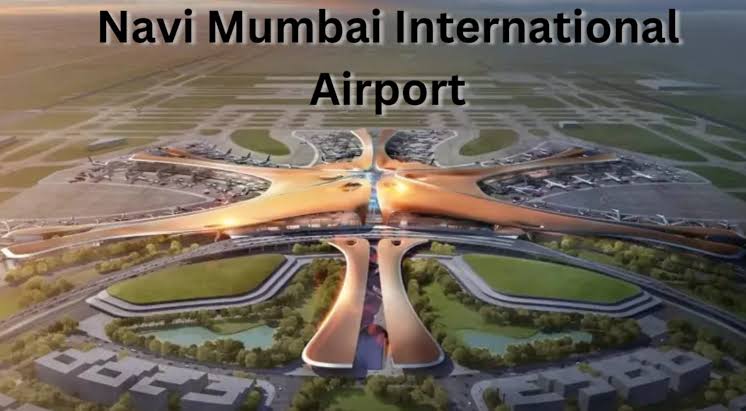
Mumbai’s aviation network is set for a major change from October 2026, with at least one-third of international air traffic movements expected to shift from Chhatrapati Shivaji Maharaj International Airport (CSMIA) to the newly operational Navi Mumbai International Airport (NMIA).
The move is linked to the planned redevelopment of CSMIA’s Terminal 1. Airport operator Mumbai International Airport Ltd (MIAL) is preparing to redistribute flights so that redevelopment work can begin without bringing Mumbai’s airport operations to a halt.
International Flights to Move From October 1
From October 1, at least one-third of the international air traffic movements currently operating from CSMIA’s Terminal 2 are expected to shift to Navi Mumbai International Airport.
The transition is expected to give airlines time to adjust their schedules and coordinate operational changes before construction work begins at Terminal 1.
Navi Mumbai International Airport began domestic operations in December 2025 and international operations in July 2026. Its additional capacity now gives Mumbai the ability to redistribute traffic while major work is undertaken at the existing airport.
Another Shift Will Happen Within CSMIA
Travellers will also see changes within CSMIA itself.
From October 23, at least one-third of the traffic currently handled by Terminal 1 is expected to move to Terminal 2. Airlines have already started adjusting their operations, with carriers such as Akasa shifting domestic operations from Terminal 1 to Terminal 2.
The changes are part of a broader transition plan designed to keep airport operations running while Terminal 1 is redeveloped.
Terminal 1 Redevelopment to Begin in 2027
The redevelopment of CSMIA’s Terminal 1 has been planned for several years. The airport’s eight-decade-old terminal requires major reconstruction, but the project was delayed partly because Navi Mumbai International Airport was not operational earlier.
The first phase of the redevelopment is now expected to begin on January 15, 2027, with demolition of the north section of Terminal 1-B.
This section currently caters to around five million passengers annually. Limiting the initial demolition to this area is intended to minimise disruption to airline operations and passengers.
What Travellers Need to Know
For passengers flying from Mumbai, the biggest immediate impact will be the possibility of their flight operating from a different airport or terminal.
Travellers should therefore check their ticket, airline communication and airport information carefully before leaving for the airport, particularly for flights scheduled around or after October 1.
The transition is expected to last around three and a half months before the first major redevelopment work begins at Terminal 1. Airlines are being asked to coordinate closely with airport authorities during this period.
Navi Mumbai Airport Takes on a Bigger Role
The shift represents a significant step in the evolution of Mumbai’s two-airport system. Navi Mumbai International Airport was developed partly to provide additional capacity for the Mumbai metropolitan region and reduce pressure on CSMIA.
With a growing share of international traffic now expected to move to NMIA, the new airport is beginning to play a much larger role in Mumbai’s aviation network.
For passengers, the transition may initially require greater attention to airport details, but it could ultimately allow Mumbai to expand its air connectivity while CSMIA undergoes a major modernisation.
Summary
At least one-third of Mumbai’s international air traffic movements are expected to shift from CSMIA to Navi Mumbai International Airport from October 1, 2026. The move is part of a transition plan ahead of CSMIA Terminal 1’s redevelopment, which is scheduled to begin with demolition of its north section in January 2027. Travellers will need to carefully check airport and terminal details.