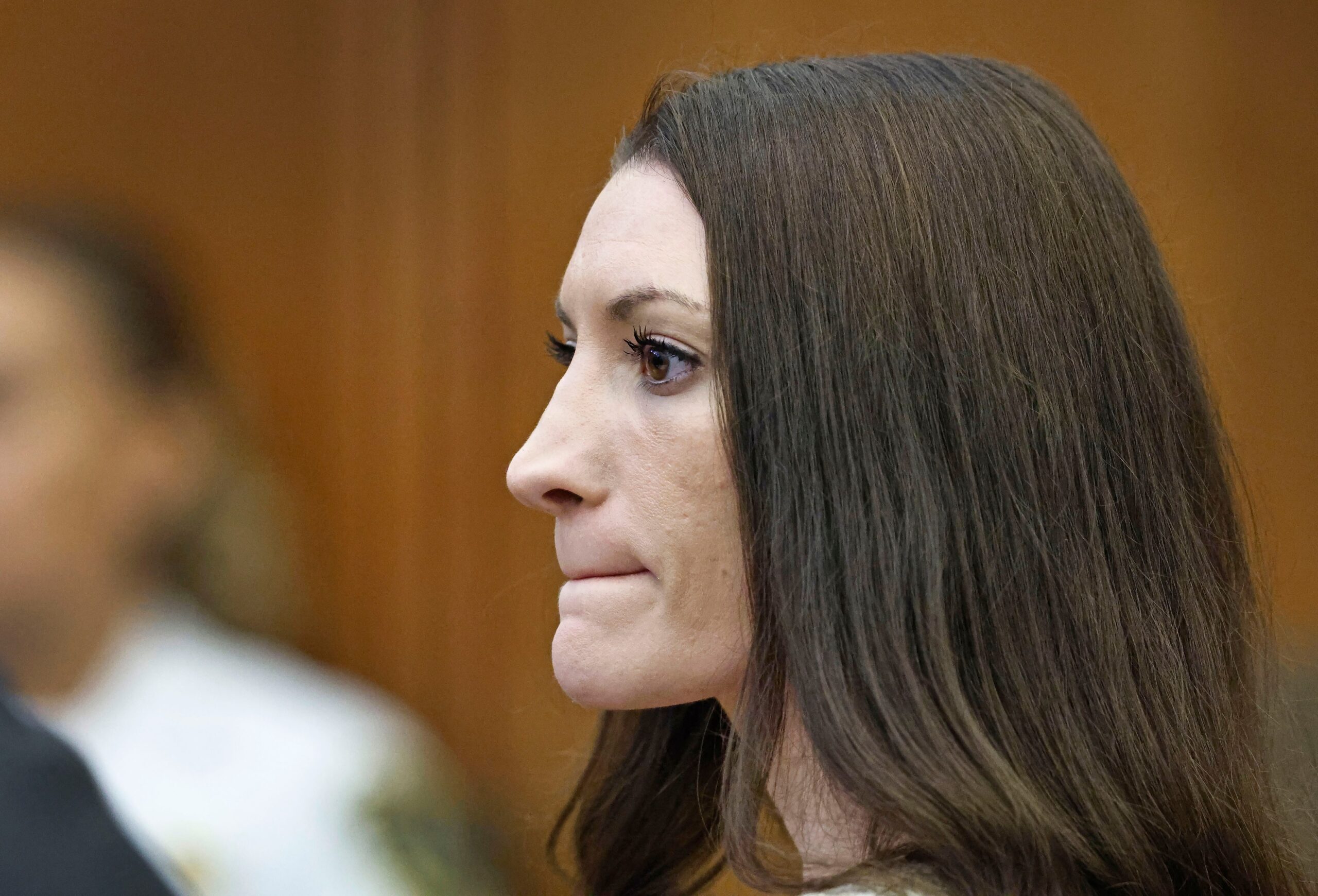
Jury Deliberates Lindsay Clancy’s Criminal Responsibility in Killing Her 3 Children/ TezzBuzz/ WASHINGTON/ J. Mansour/ Jurors began deliberating whether Lindsay Clancy was criminally responsible when she killed her three young children at their Massachusetts home in January 2023. The defense says Clancy was experiencing postpartum psychosis, while prosecutors argue that she planned the killings and understood her actions were wrong. A murder conviction could bring life imprisonment without parole, while a finding of no criminal responsibility could result in commitment to a state mental health facility.

Quick Look
- Lindsay Clancy has pleaded not guilty by reason of lack of criminal responsibility.
- She is accused of killing her three children in January 2023.
- The children were Cora, 5; Dawson, 3; and Callan, 8 months.
- Defense attorneys say Clancy was experiencing postpartum psychosis.
- Prosecutors acknowledge she was depressed but say she understood right from wrong.
- Jurors heard more than four weeks of testimony from medical experts and family members.
- Clancy had received treatment from multiple mental health providers.
- She was discharged from a psychiatric hospital less than three weeks before the deaths.
- Clancy did not testify during the five-week trial.
- A murder conviction carries life imprisonment without parole.
- A finding of no criminal responsibility could lead to psychiatric commitment.
- The case has intensified debate about maternal mental health care.


Deep Look
Jury Begins Deliberations in Closely Watched Trial
A Massachusetts jury began deliberating Thursday in the murder trial of Lindsay Clancy, who is accused of killing her three young children at the family’s home in Duxbury in January 2023.
Clancy has pleaded not guilty by reason of lack of criminal responsibility. Her attorneys argue that she was suffering from postpartum psychosis and could not legally be held responsible for her actions.
Prosecutors contend that Clancy planned the killings and understood that what she was doing was wrong.
The jury must determine whether she was criminally responsible and, if so, which crimes she committed.
Postpartum Mental Health at Center of Case
Clancy’s mental condition is the central issue in a trial that has drawn national attention to postpartum mental health.
Postpartum psychosis is a rare but severe illness associated with hormonal changes, sleep deprivation and stress following childbirth. It can involve hallucinations, delusions, paranoia and suicidal thinking.
The case has divided members of the public over whether Clancy should be held criminally responsible or treated primarily as a patient who experienced a profound psychiatric crisis.
Prosecutor Says Clancy Made a Choice
During closing arguments, prosecutor Jennifer Sprague acknowledged that Clancy was exhausted and depressed. She argued, however, that Clancy still understood the nature and wrongfulness of her actions.
“It was a choice to take them with her. It was a horrible choice. It is a choice that we don’t want to think about that a mother could make, because that doesn’t make us feel safe or comfortable in this world,” Sprague said. “But it’s a choice she made.”
Sprague told jurors that the case was not a broader referendum on the nation’s mental health system or its treatment of women.
“That’s a distraction to get you angry and passionate about an important issue, but an issue that’s not on trial here,” she said.
Defense Blames Psychosis and Inadequate Care
Defense attorney Kevin Reddington argued that Clancy was deeply psychotic when she killed her children and had previously been a devoted and loving mother.
He blamed her decline partly on the mental health treatment she received and the medications prescribed in the months before the deaths.
“Because of the damned medicine and the lousy medical care that she got,” Reddington said.
The defense maintains that Clancy’s psychiatric condition prevented her from understanding the wrongfulness of her conduct, meeting Massachusetts’ legal standard for lack of criminal responsibility.
Three Children Killed at Family Home
Clancy killed Cora, Dawson and Callan Clancy, ages 5, 3 and 8 monthsin the basement of the family home south of Boston.
She then jumped from a second-floor window in an apparent suicide attempt. She survived but remains paralyzed from the waist down.
Clancy is now 36.
Her mother and sister testified that she had become anxious, paranoid and suicidal after the birth of her third child.
Clancy Sought Treatment Before Killings
Clancy consulted multiple mental health providers in the months before the children’s deaths.
She also admitted herself to a psychiatric hospital but was discharged less than three weeks before the killings.
The prosecution acknowledged that she sought help but argued that she did not always follow medication instructions or provide clinicians with complete and accurate information.
Sprague told jurors that Clancy had experienced thoughts of harming her children in December 2022 but did not disclose them to her providers.
The prosecutor argued that withholding those thoughts demonstrated Clancy knew they were wrong.
Experts Offered Conflicting Assessments
During more than four weeks of testimony, jurors heard competing assessments from medical experts about Clancy’s mental state.
Defense witnesses supported the argument that she experienced postpartum psychosis and lacked criminal responsibility.
Prosecution witnesses challenged that conclusion and presented evidence intended to show that she could understand and control her conduct.
The jury must evaluate those differing opinions alongside Clancy’s medical records, behavior before the killings and actions on the day of the deaths.
Defense Rejects Prosecution’s Suicide Argument
Reddington accused prosecutors of attempting to characterize Clancy’s jump from the second-floor window as “a fake suicide.”
“You know that is not what happened,” he told jurors.
The defense presented the suicide attempt as further evidence of the severity of Clancy’s psychiatric crisis rather than proof of an effort to avoid accountability.
Defense Highlights Clancy’s Devotion to Children
Reddington held up a copy of the book “Good Moms have Scary Thoughts,” which investigators found inside the family’s home.
He said prosecutors had attempted to use the book as evidence against Clancy, even though a mental health provider had given it to her.
“This woman lived for her kids,” Reddington said.
He also showed jurors a small “wish box” that Clancy and her then-husband, Patrick, purchased during their honeymoon.
According to Reddington, the couple filled the box over the years with slips of paper expressing hopes that they would have healthy and successful children.
Clancy wiped away tears as her attorney discussed the box.
Defense Describes Mental Health Decline
Reddington told jurors that Clancy’s life changed dramatically after she began receiving psychiatric treatment.
“It was not a wonderful life anymore,” he said.
“You heard the testimony. You know her concerns. You know her fears,” Reddington told the jury.
The defense argued that her worsening mental health, repeated efforts to obtain treatment and apparent suicide attempt were consistent with profound psychosis.
Verdict Will Determine Prison or Psychiatric Treatment
If convicted of murder, Clancy faces life in prison without the possibility of parole.
If jurors find her not guilty because she lacked criminal responsibility, she would not necessarily be released. She could be committed to a state psychiatric facility based on an assessment of her mental condition and potential danger to herself or others.
The jury’s decision will turn on whether prosecutors proved beyond a reasonable doubt that Clancy was criminally responsible when she killed her children.
Crisis Support
This case includes discussion of suicide. Anyone in the United States experiencing a mental health or suicide crisis can call or text the 988 Suicide & Crisis Lifeline.
More on US News