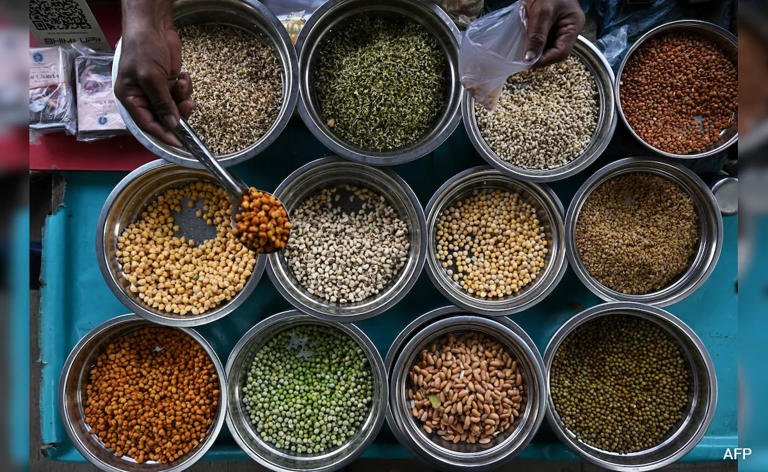
In Indian diet, pulses are considered to be the most important source of protein, essential amino acids, dietary fiber, iron and zinc. In a vegetarian diet, pulses play the most important role for muscle strength and physical energy. Often people cook and eat any dal at any time depending on the taste, but according to medical nutrition and Ayurveda, the nature, nature and digestion time of every dal is different. If you eat heavy pulses at night, it can cause stomach problems like gas, bloating, sour belching and indigestion. Therefore, it is very important to understand which dal should be eaten in lunch and which is best to be consumed in dinner.
The digestive fire of our body is the fastest and most active during the afternoon. At this time, it is easier for the body to digest pulses containing heavy and complex proteins.
-
Arhar (Toor) Dal: Arhar dal, most commonly consumed in North and South India, is rich in nutrition, but the complex carbohydrates present in it take longer to digest. It should always be eaten in lunch only.
-
Chickpea lentil: Chana dal is rich in protein and fiber and has a very low glycemic index. Since it is heavy to digest, it is best to consume it in the afternoon lunch. It helps in keeping the stomach full for a long time for diabetic patients.
-
Urad Dal: Urad dal (whether black or washed) is considered heavy in nature and increases phlegm and bile. It should never be consumed at night. Eat it in the afternoon with the tempering of asafoetida, ginger and cumin.
-
Rajma and chickpeas: Although they come in the category of legumes, but due to their heavy protein content, include them only in lunch so that they can be easily digested during physical activity throughout the day.
At night our metabolism slows down and the secretion of digestive enzymes in the stomach decreases. In such a situation, only light, digestible and vata-shamak dals should always be selected for dinner.
-
Moong dal (yellow washed or green peeled): Moong dal is considered the 'queen' of all pulses and the most digestible pulse. There is no heaviness in it and it does not put any pressure on the intestines. Eating moong dal or thin moong dal khichdi for dinner is the best option for the stomach, intestines and deep sleep.
-
Red lentils: Masoor dal cooks very quickly and is easily digested. It is rich in iron and folate. If you want to eat light pulses at night, then you can have a bowl of masoor dal soup or thin dal with roti.
Many people fear flatulence or increase in uric acid after eating pulses. According to nutritionists, these problems can be completely avoided by adopting the correct method of preparing pulses:
-
Soaking the pulses first: Before cooking any dal, soak it in water for at least 30 minutes to 2 hours (6-8 hours for gram and kidney beans). Soaking removes the phytic acid and anti-nutrients present in the pulses, which increases the absorption of nutrients and prevents gas formation.
-
Skimming: While boiling in the cooker or open vessel, remove the white foam/foam that forms on the top of the lentils with a spoon and throw it away. It contains purines and excess starch, which cause joint pain and gas.
-
Tadka of digestive spices: Always season the dal with asafoetida, cumin, garlic, grated ginger and a little turmeric. These ingredients pacify the carminative nature of the dal.
-
High Uric Acid/Gout: If uric acid in the blood is increased, then limit the intake of whole urad, thick gram dal and excessive kidney beans. Take light moong dal as per doctor's advice.
-
Kidney Disease (CKD): Potassium and phosphorus levels increase in kidney patients, so they should not consume high-protein pulses without consulting a nephrologist.
-
IBS or weak digestion: People with weak digestion should take only water or thin pulses of peeled moong dal at night.