Take steps toward stronger bones with these expert-backed tips.
Reviewed by Dietitian Madeline Peck, RDN, CDN
Key Points
- Osteopenia is not osteoporosis; it’s a warning to take steps to slow bone loss and rebuild bone density.
- Eat calcium- and vitamin D-rich foods, like dairy, leafy greens and fortified nondairy options.
- Resistance training and balance exercises can strengthen bones and reduce the risk of falls.
Finding out that you have osteopenia can be a lot to take in. You may be wondering what the diagnosis means for the future and whether your bones will continue to weaken. But there is good news. “Osteopenia is a warning, not a life sentence,” says Cristina Sciavolino-Day, M.D. “It does not mean osteoporosis will be next to occur.”
Osteopenia simply means that your bone density is lower than normal but not yet in the range of osteoporosis, which is a more advanced form of bone loss with a higher risk of fractures. Fortunately, there are ways to slow bone loss, maintain bone density and, in many cases, rebuild what’s been lost. If you’ve recently received this diagnosis, health care professionals share the steps you can take to give your bones a stronger foundation for the years ahead.
Find Out Why Your Bones Are Thinning
A bone density test may show that your bones are weaker than they once were, but it won’t necessarily reveal what’s behind the bone loss. “The first step is to find out why your bone is thinning,” says Sciavolino-Day. “Osteopenia has many causes, and the right fix depends on what the cause is.”
She notes that some bone loss is expected with age, especially among women. “Around menopause, estrogen drops, and estrogen is one of the main hormones that protects our bones. That shift alone speeds up bone loss,” she explains. However, menopause is not the only cause. She highlights that not getting enough bone-supportive vitamins and minerals, along with insufficient weight-bearing exercise, can also contribute to bone loss.
Certain health conditions and medications can also weaken bones over time. “An overactive thyroid, a parathyroid problem, celiac disease or other absorption issues and medications like long-term steroids can all thin your bones,” says Sciavolino-Day. That’s why she recommends having a thorough discussion with your doctor about your results and medical history to pinpoint potential causes. “When you treat the true cause, you can stop the loss at its source instead of guessing.”
Get Enough Calcium and Vitamin D
Once you’ve explored what’s driving your bone loss, experts recommend taking a closer look at whether you’re getting enough calcium and vitamin D. “Calcium is the main building block of bone, so you need enough of it coming in,” says Sciavolino-Day. Most adults need about 1,000 milligrams of calcium a day, while women over 50 and adults over 70 need about 1,200 mg.
But before you reach for a supplement, it’s important to consider what’s on your plate. “Try to get most of your calcium from food, not just from pills,” Sciavolino-Day emphasizes. She points to research suggesting that high-dose calcium pills could result in a small rise in heart disease risk in postmenopausal women. However, newer reviews have not found this same risk. “Because the science is not settled, the sensible move is to get it mostly from food and use a supplement only to fill the gap,” she adds. Before starting a new supplement, be sure to talk to your doctor to make sure it is an appropriate fit for your needs.
Vitamin D deserves just as much attention, because your bones need it to get the most out of the calcium you consume. “You can eat all of the calcium in the world, but without enough vitamin D, your body cannot absorb it well. Vitamin D is what helps your gut move calcium from your food into your blood, and from there into your bones,” says Sciavolino-Day. She explains that when your vitamin D is low, your body raises a hormone that pulls calcium back out of your bones to keep your blood calcium level normal. Over time, this process thins your bones. Therefore, she recommends asking your doctor for a simple blood test to check your vitamin D levels and determine the right amount to meet your individualized needs.
“Dairy foods like milk, yogurt and cheese are high in calcium and often fortified with vitamin D,” says Melissa Azzaro, RDN, LD. If you can’t tolerate dairy, Azzaro shares that nondairy milks fortified with calcium and vitamin D are also a great choice. But these aren’t the only options. Canned sardines and salmon, calcium-set tofu, white beans, prunes and leafy greens like bok choy, collard greens and broccoli and kale can also help you meet your needs.
Lift Weights Weekly
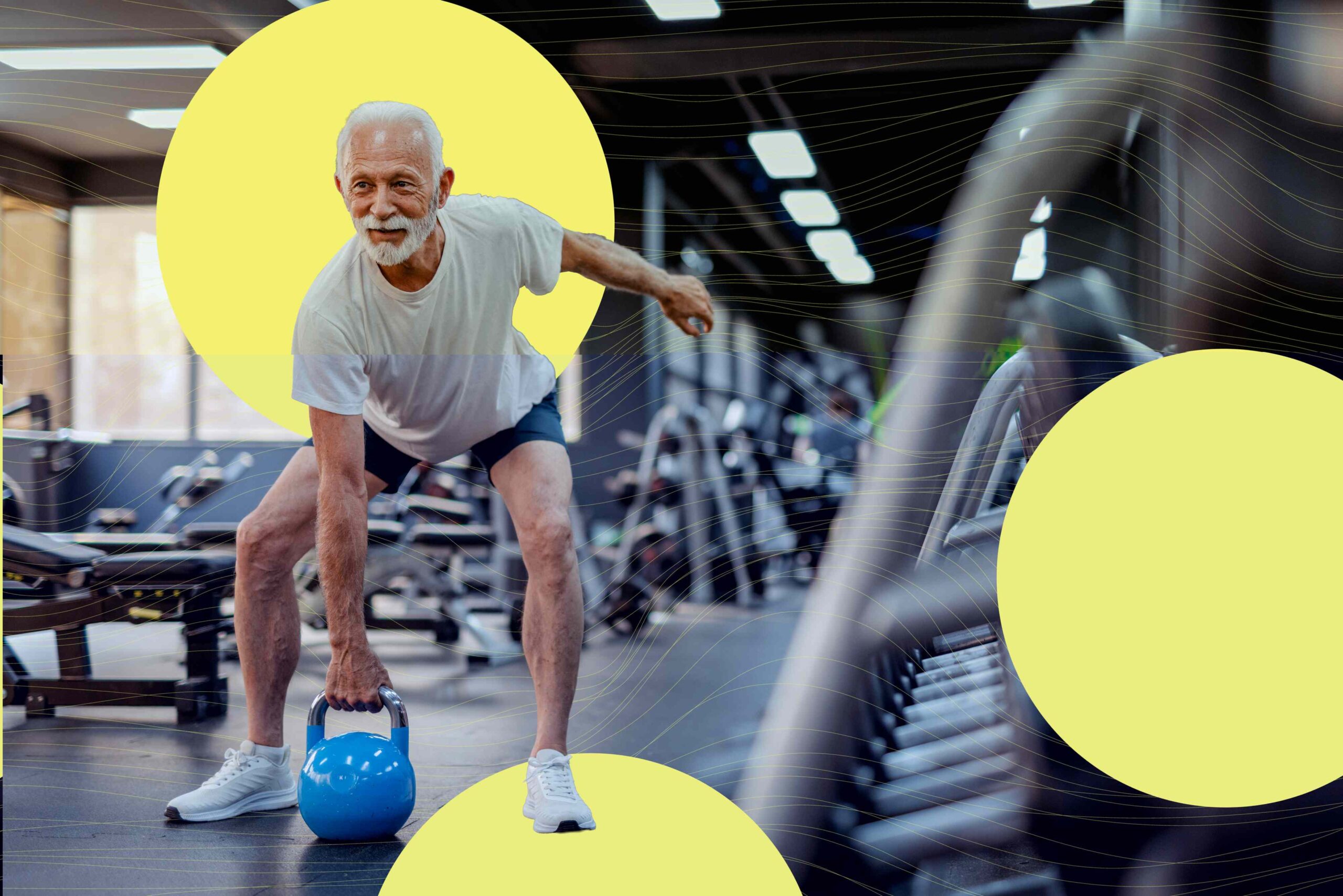
You may assume that an osteopenia diagnosis means you need to take it easy on your bones. But the right kind of stress can actually help strengthen them. “Bone gets stronger when you challenge it, the same way that muscle does,” says Sciavolino-Day. That’s where resistance training comes in. Lifting weights and other forms of resistance training put beneficial stress on your bones, signaling your body to maintain and build bone tissue.
Research suggests that postmenopausal women with low bone mass can safely build bone density and strength by participating in high-intensity resistance and impact training twice a week. Sciavolino-Day highlights that this research counters the old belief that people with thinning bones are too fragile to lift.
Strength training can also protect your bones in another important way: by preventing falls and fractures. Because falls are a major cause of fractures in older adults, Sciavolino-Day recommends pairing strength training with balance exercises. “A smart routine includes real strength work, like squats, rows, presses and step-ups, plus a few minutes of balance practice, like standing on one foot. This way, you are building strength and lowering your odds of a fall that could break a bone.”
Be Mindful of Habits That Weaken Bones
Protecting your bones requires more than the right nutrients and weight-bearing exercise. It’s also crucial to be mindful of the habits that can compromise bone health, says Azzaro. She shares that smoking is a major risk factor for osteopenia. In fact, studies show that people who smoke tobacco are more likely to develop osteopenia than nonsmokers. The harmful substances found in cigarettes, such as nicotine, tar and heavy metals, may disrupt normal bone remodeling and reduce bone density.
Excess alcohol and frequent soda consumption may also chip away at bone strength. “Excess alcohol negatively impacts bone health and increases risk for fracture,” Azzaro warns. Similarly, she shares that soda, especially dark-colored colas, contains high amounts of phosphorus, which can block calcium absorption. Drinking soda may also displace milk and other beverages that contain bone-supporting nutrients. These beverages, when consumed regularly, may work against your efforts to preserve and support your bone health.
Our Expert Take
An osteopenia diagnosis may be concerning, but it’s also an opportunity to take action. Start by talking to your health care provider to uncover what may be contributing to weaker bones, make sure you’re getting enough calcium and vitamin D and incorporate regular resistance and balance exercises. Also, be mindful of habits that can work against your bones, like smoking, excess alcohol and frequent dark soda consumption. Just remember, your diagnosis may reflect your bone health today, but it doesn’t have to determine your bone health in the future.