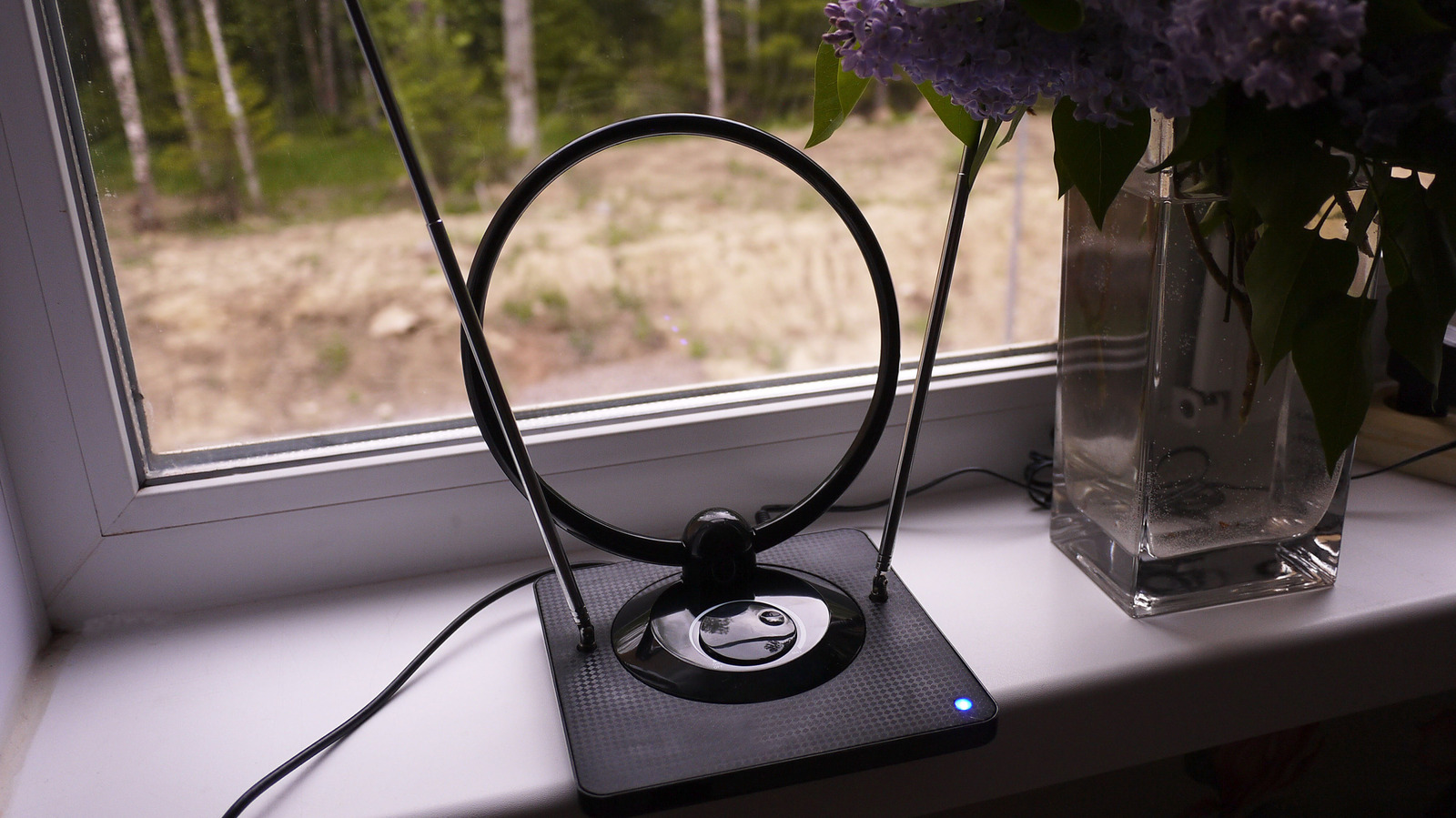
If you’re using a TV antenna, an indoor one to be precise, that struggles to pick up signals, you may have wondered whether it can be used outdoors. It’s often seen that mounting the antenna in the open generally delivers a better experience because the antenna has a clearer view and can receive stronger signals. Inside, you may be getting a lower signal strength due to walls and windows. So, if you’re considering moving your indoor antenna outside, the setup will work, but there are a few things you need to keep in mind.
Let’s first understand how indoor and outdoor antennas differ, even though both perform a similar job. Indoor antennas are generally smaller and work well in urban areas where broadcast towers are within a 15-30 mile range. These antennas may lack weatherproofing since they’re not made to withstand prolonged exposure to direct sunlight, rain, and snow. Plus, their design doesn’t allow easy mounting on roofs. Outdoor antennas, on the other hand, are weatherproof and tend to have better signal reception. A good one can capture signals from broadcast towers as far as 50-70 miles away.
It’s these two aspects that make placing even the best indoor TV antennas outside a less practical option. While the antenna will work, and you may even notice improved signal reception, long-term outdoor use can shorten its lifespan.
The setup works, but it’s not the best choice
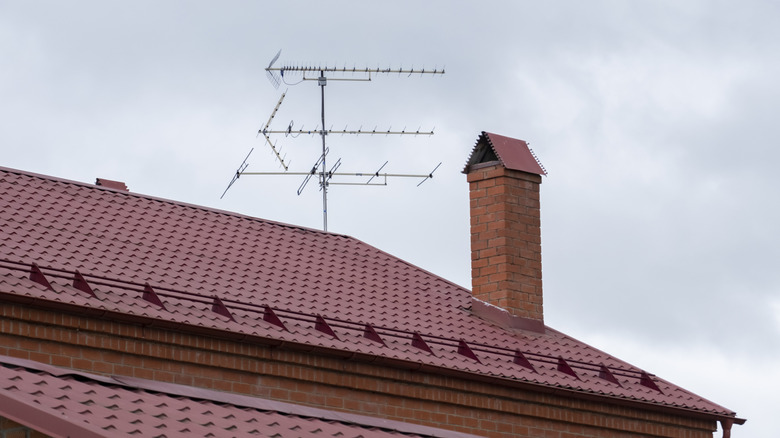
If you’re temporarily placing or mounting the antenna outdoors while taking the necessary precautions like grounding and avoiding common electrical mistakes, there’s little harm in doing so. But in the long run, the design constraints will have a negative impact on the antenna. Apart from that, simply placing the antenna outdoors doesn’t guarantee better signal reception or more channels, as its placement and positioning are also important. With an indoor antenna, however, you generally don’t have a lot of options. More often than not, you will have to rely on DIY techniques to mount it properly.
If you do plan to use an indoor antenna outdoors, make sure to properly waterproof the setup, though even that wouldn’t necessarily stop moisture or other outdoor factors from affecting it over time. For flat indoor antennas, specifically, you could move them to the other side of the window if the glass panel is affecting signal strength, but it’s also not feasible in the long run for the aforementioned reasons. Essentially, for outdoor use, it’s always better to use an antenna that’s designed for the job, unless you’re prepared to replace it sooner than you otherwise would.