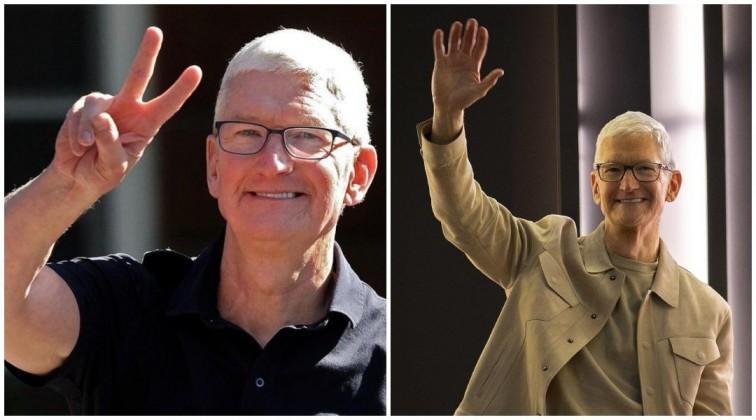
Tim Cook is stepping down as Apple CEO after nearly 15 years at the helm, bringing an end to one of the most significant chapters in the technology company’s history. Cook took over from Steve Jobs in August 2011 and went on to reshape Apple through a strategy built around operational efficiency, services, new product categories and a stronger global ecosystem.
When Cook became CEO, Apple had a market capitalisation of around $350 billion. Under his leadership, the company crossed the $1 trillion valuation mark in 2018 and went on to become a multi-trillion-dollar technology giant. Apple’s market value reached $4 trillion, while the company’s annual revenue grew from about $108 billion in fiscal 2011 to more than $416 billion in fiscal 2025.
From iPhone company to ecosystem giant
Cook inherited an Apple heavily associated with the iPhone, but his strategy was to make the company less dependent on hardware upgrades alone. He expanded the ecosystem around Apple devices, turning services into one of the company’s biggest growth engines.
Apple Music, iCloud, Apple Pay, Apple TV+, Apple Arcade, AppleCare and the App Store created multiple recurring revenue streams. Apple’s Services business has grown into a more than $100-billion-a-year business, with the latest fiscal-year revenue reported at $109.1 billion.
Building Apple beyond the iPhone
Cook also pushed Apple into categories beyond its traditional product lines. The Apple Watch and AirPods became major businesses, while Apple expanded further into health, fitness and wearable technology.
The company also entered mixed reality with the Vision Pro headset in 2024. However, the product has struggled to achieve widespread adoption, making it one of the less successful bets of Cook’s tenure.
Taking control of its own technology
One of Cook’s most important strategic decisions was Apple’s move away from Intel processors. In 2020, Apple announced its transition to its own Apple Silicon chips for Mac computers.
The transition was completed across the Mac range by 2023, giving Apple greater control over its hardware and software while improving performance and power efficiency. The move also strengthened Apple’s ability to develop on-device computing capabilities for the AI era.
Supply chain and global expansion
Cook’s operational expertise was central to Apple’s growth. Before becoming CEO, he had already played a key role in restructuring the company’s supply chain and manufacturing operations.
As CEO, he used that expertise to support Apple’s expansion across global markets. The company now operates in more than 200 countries and territories, has more than 500 retail stores and has expanded its active installed base to more than 2.5 billion devices.
Privacy becomes part of Apple’s identity
Another defining feature of the Cook era was Apple’s emphasis on privacy and security. The company increasingly presented privacy as a core product feature, differentiating itself from technology companies whose business models rely heavily on user data.
Apple also increasingly emphasised on-device processing, security and greater control over the information generated by its products.
A different kind of Apple leader
Cook never attempted to replicate Steve Jobs’ presentation style or product-focused persona. Instead, his leadership centred on execution, scale and long-term business growth.
The result was a dramatically larger Apple. From a company worth roughly $350 billion when Cook took over, Apple became the first publicly traded company to cross $1 trillion and later reached valuations measured in multiple trillions of dollars.
Tim Cook’s tenure was not without challenges. Apple faced criticism over its slower progress in generative AI, regulatory pressure and questions over its dependence on manufacturing in China. The company’s Vision Pro also failed to become a mass-market hit.
Still, Cook leaves behind an Apple that is substantially larger, more diversified and more deeply embedded in consumers’ daily lives than the company he inherited in 2011.
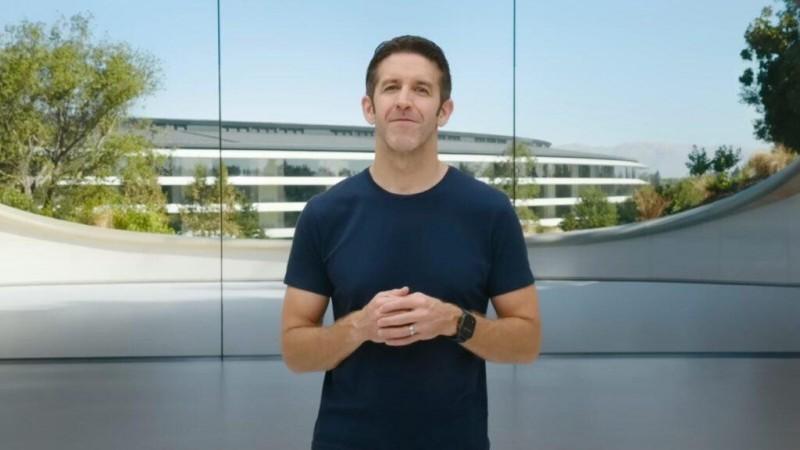
From September 1, John Ternus will take over as Apple CEO, while Cook will become executive chairman and continue to assist the company, including on global policymaker engagement.