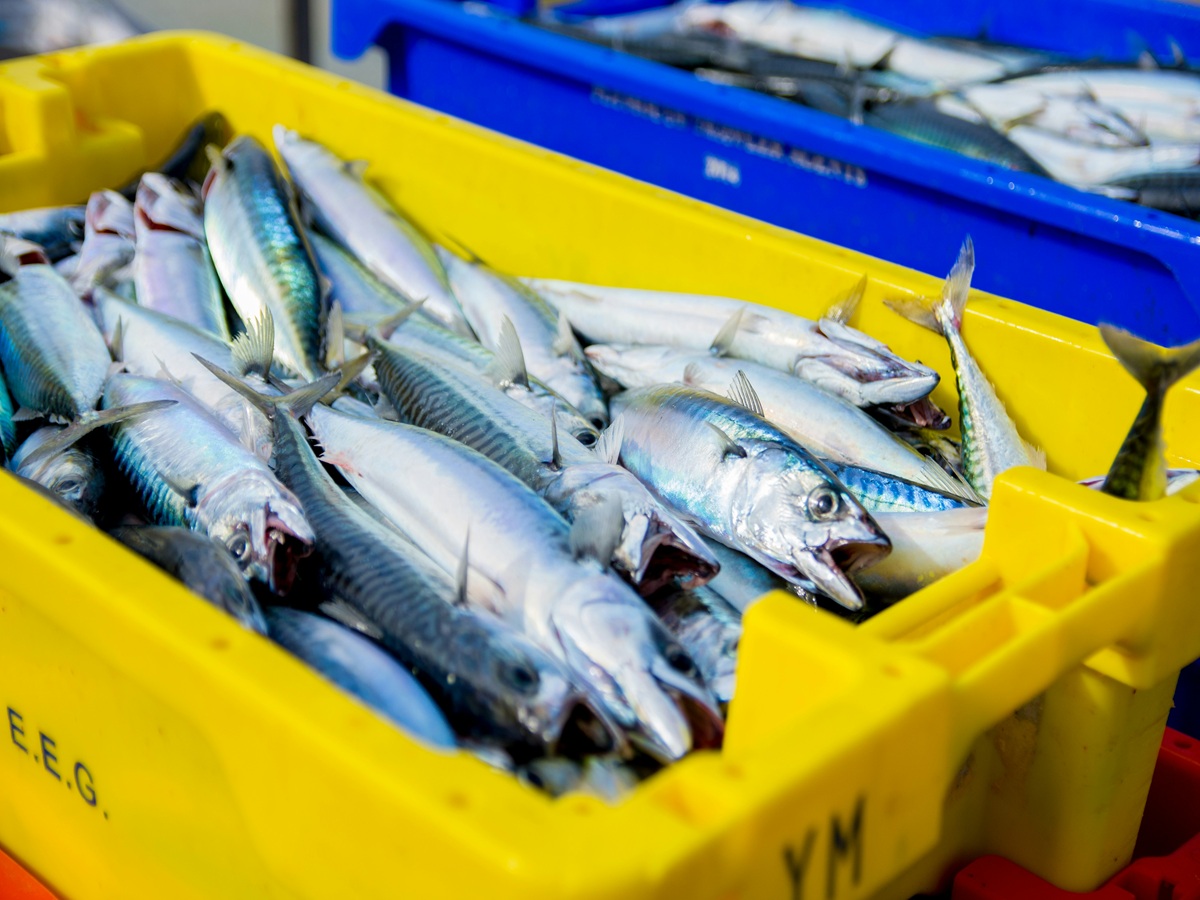
Nepal floods have brought a new problem for Bihar as the state government has issued a warning to avoid consuming fish swept in flood waters. According to the authorities, people should avoid catching, selling and eating fish found in floodwater at least till the situation returns to normal. This comes after flash floods in Nepal have pushed large volumes of water into Bihar through the Trishuli River and further into the Gandak and Kosi river systems.
As the river level is soaring, the unusual and unfamiliar fish have been spotted in several flood-hit areas. As per reports, some people got ill after eating fish caught from the floodwaters.
Government Issues Warning Over Floodwater Fish
The Animal and Fisheries Resources Department has advised residents to avoid fish caught directly from floodwaters. Officials said such fish could be exposed to sewage, dead animals, polluted drains and other contaminants. This could make them unsafe for human consumption. The department has also warned people against buying or selling such fish.
Its advisory said that floods can force fish out of ponds, lakes, rivers and reservoirs. Once they enter floodwater, they can come into contact with a range of pollutants. The department has urged people to wait until environmental conditions stabilise before consuming fish from affected water bodies. Nepal police have also issued a similar warning to residents.
What Bihar Government Has Asked People To Do
Authorities have issued several precautions for people living in flood-affected areas.
People have been asked to:
- Avoid eating unknown or unusual-looking fish.
- Do not buy, sell or consume fish caught from floodwaters.
- Do not assume unfamiliar fish are safe to eat without verification.
- Seek medical help if vomiting, diarrhoea, abdominal pain, dizziness or breathing problems develop after eating such fish.
- Report unusual fish sightings to the local District Fisheries Officer or administration.
- Ignore rumours and avoid eating unknown fish.
The government has stressed that caution is important until the water and surrounding environment become safe again.
Nepal Floods Send Debris Into Bihar Rivers
The health concern is not limited to fish. The flood has swollen the Kosi and Gandak, and the floodwaters carry a large amount of mud, silt and debris into Bihar. Apart from this, the landslides and glacial-related events in Nepal’s hilly areas have also washed stones and large tree trunks downstream.
As per reports, the floodwaters also carry wreckage from damaged bridges and hydropower projects, along with vehicles, household items and LPG cylinders. Human and animal remains washed downstream, which has added concerns over water contamination.
Contaminated Water Raises Disease Concerns
The major concern for health officials is the mixing of floodwater with drinking water sources, which has affected the handpumps and wells in the affected areas. It has increased the risk of water-borne diseases. These include diarrhoea, cholera and typhoid. Hepatitis A and E are also linked to contaminated water.
Stagnant water could create another problem. It can provide breeding grounds for mosquitoes and increase the risk of diseases such as dengue, malaria and chikungunya. Skin and eye infections are also possible after prolonged exposure to polluted water.
Arsenic And Iron Add To Bihar’s Water Worries
The flood situation is more serious because some districts along the Nepal border already face water-quality concerns. West Champaran, East Champaran, Sitamarhi, Kishanganj, Purnia and Araria have recorded arsenic levels above the safe limit of 10 ppb.
High levels of iron have also been reported across several districts. Kishanganj has recorded particularly high levels. Officials fear that floodwaters could further affect local water sources and worsen existing contamination.
Sudeep Singh Rawat is a Copy Editor at NewsX Digital with over five years of experience in digital journalism. He covers national and international news, with a focus on politics, crime, technology, public affairs, and trending topics. Before joining NewsX Digital, he worked with Business Standard, The Sunday Guardian, and other digital media organisations. His reporting focuses on breaking news, enterprise stories, and explainers that inform readers through accurate, balanced, and context-driven journalism.
The post Fish From Nepal Reach Bihar Through Floodwaters, But Why Is The Government Telling People Not To Eat Them? appeared first on NewsX.