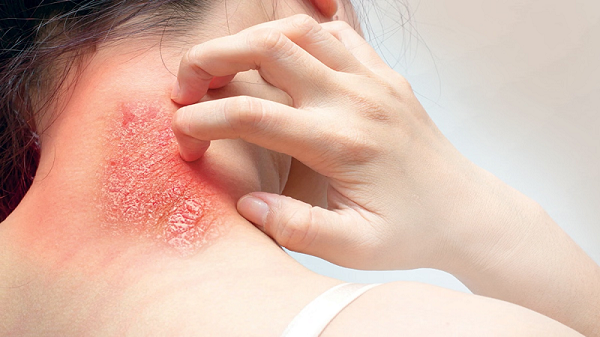
New Delhi. The rainy season definitely gives relief from the hot weather, but during this time, various skin-related problems also start increasing. Due to excessive moisture and humidity in the environment, sweat does not dry quickly and the skin can remain wet for a long time. This is the reason why problems like ringworm, fungal infection and itching can cause more trouble during monsoon. The special thing is that in common parlance, ringworm and itching are often considered to be the same problem, whereas the meaning and cause of these three words are not always the same.
Ringworm is commonly used for fungal infections or ringworm. In this, round or rash-like marks may appear on the skin. The edges of these rashes may be red or slightly raised and there may also be a lot of itching. Ringworm can occur in different parts of the body and there is a risk of it spreading through contact with an infected person or by using his personal belongings. Therefore, if such symptoms appear, it should not be ignored considering it to be normal itching.
The word 'Khaj' is used with different meanings at different places. In common parlance, it is used for itching or itchy skin problems. It cannot be determined merely by the presence of itching that the problem is due to fungal infection. The reason behind this could be allergy, skin irritation, fungal infection or other reasons. Therefore, it is important to pay attention to the symptoms to know the true cause.
Itching itself is not a disease but a symptom. Itching in the skin can occur due to many reasons. Allergy, dry skin, sweat, fungal infection, insect bite or other skin related problems can be the reason behind this. Therefore, it is not right to consider every kind of itching as ringworm. If round rashes are forming along with itching or the marks are slowly spreading then there may be a possibility of fungal infection and in such a situation it is better to consult a doctor.
The risk of fungal infection also increases during monsoon because the hot and humid environment is considered favorable for fungus. The problem may be more severe in those parts of the body where the skin rubs against each other or where moisture persists for a long time. The area between the armpits, waist, thighs and between the toes is an example of this. Wearing wet clothes, socks and shoes for a long time also keeps the skin moist.
After getting wet in the rain, it is most important to change wet clothes as soon as possible. Dry the body thoroughly and pay special attention to areas where moisture easily accumulates. Wear clean and dry socks every day and avoid wearing wet shoes for long periods of time. You should also avoid wearing clothes that are too tight as this can cause sweat and moisture to remain in contact with the skin for a longer time.
Along with personal hygiene, it is also important to prevent the spread of infection. Avoid using another person's towel, clothes, socks or personal items. If the round rashes on the skin are continuously increasing, the itching is severe or the problem is returning again and again, then it is wise to consult a dermatologist.
Especially one should avoid applying creams that contain steroids without doctor's advice. If used incorrectly, such creams can alter the symptoms of fungal infection and complicate the problem. Identifying the right cause at the right time and proper treatment is the best way to prevent skin problems from progressing. Keeping the skin dry, clean and protected during monsoon can help prevent ringworm, fungal infections and many types of itching.