New Delhi, September 4, 2026 (Yes Punjab News)
India on Friday reiterated that developed countries must take the lead in reducing greenhouse gas emissions, citing their historical responsibility for the bulk of emissions and their contribution to the climate change crisis.
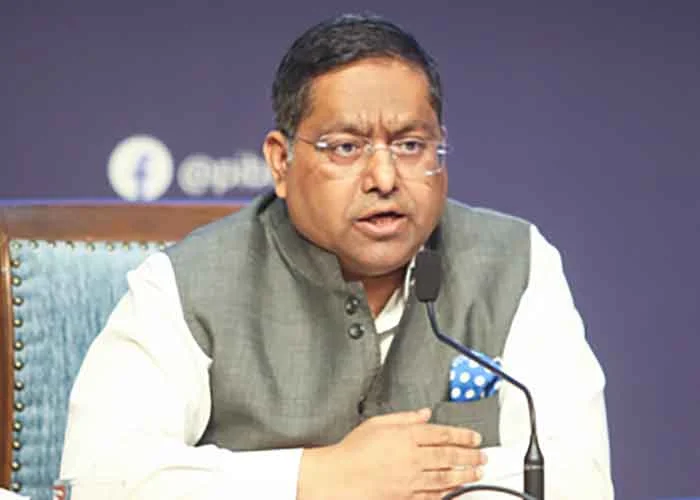
Ministry of External Affairs spokesperson Randhir Jaiswaladdressing a media briefing in New Delhi, was responding to remarks by Nepal Foreign Minister Shishir Khanal on calls for a shift in the international approach from aid towards justice and compensation following the devastating floods in Nepal.
Jaiswal said India had extended solidarity and support to Nepal following the disaster and had responded promptly to assist the neighboring country with rescue, relief, reconstruction and recovery efforts.
“India has consistently maintained that climate change is a common challenge and action in this regard must be based on the principle of common but differentiated responsibilities and respective capabilities,” he said.
The MEA spokesperson added that developed countries, which are historically responsible for emissions and have contributed overwhelmingly to the present climate crisis, must lead efforts to cut emissions and support developing nations through finance and technology transfer.
Jaiswal also noted that Nepal Prime Minister Balendra Shah had thanked India for its assistance. He recalled that Prime Minister Narendra Modi spoke to Shah after the tragedy and conveyed that India stood “shoulder to shoulder” with Nepal and was prepared to provide whatever assistance was required.
India, Jaiswal said, was pleased to extend help to its neighbor and partner during the crisis.
Earlier this week, Khanal said Nepal was shifting its diplomatic framework from “aid” to “justice and compensation”, stressing that the issue should not be treated as charity, according to local media reports from Kathmandu.
The floods in Nepal had resulted in 1,294 confirmed deathswhile 5,053 people remained out of contact As of Friday evening, according to the figures cited in the source material.