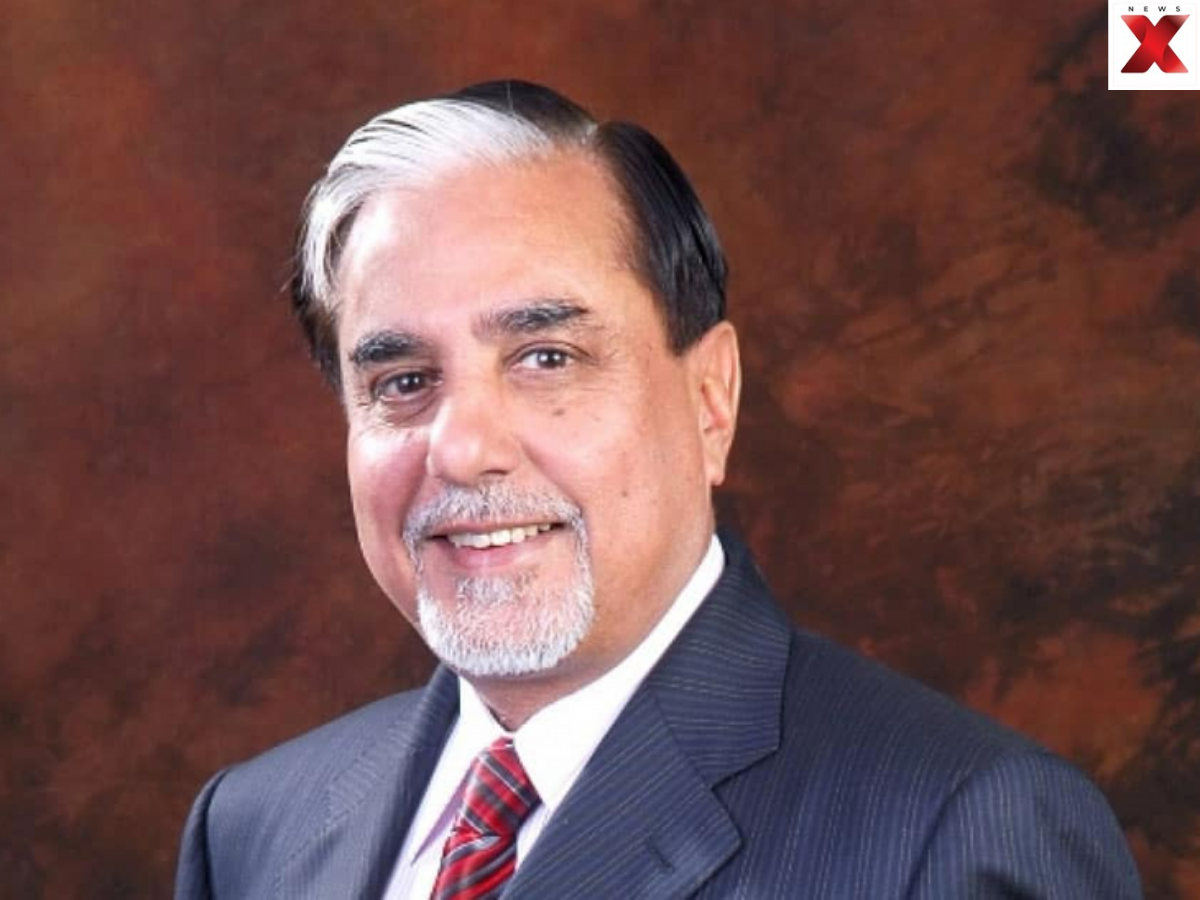
Subhash Chandra, the Zee founder and Essel Group Chairman, is under scrutiny as the Central Bureau of Investigation (CBI) has registered a case over an alleged Rs 1,322 crore fraud, which also involves LIC Housing Finance Ltd (LICHFL).
The latest case adds to a long list of financial and corporate controversies around the media baron. There are several cases against Chandra, including the Securities and Exchange Board of India (SEBI), major debt disputes involving Essel Group companies and a high-profile personal insolvency proceeding. However, it is vital to seperate alleges from proven wrongdoing.
CBI Books Subhash Chandra in ₹1,322 Crore LIC Housing Finance Case
CBI has registered an FIR against Subhash Chandra and three others in connection with an alleged fraud case which involves LIC Housing Finance. The case relates to two loan facilities sanctioned to Essel Group-linked companies. The original loans totalled around ₹980 crore. With interest and other charges, LICHFL’s claim has risen to about ₹1,322.39 crore.
The case relates to the two loan facilities sanctioned to Essel Group-linked companies. The original loan amount totals around Rs 980 crore.
The CBI case follows allegations that incorrect financial information, including inflated net-worth certificates, was used while obtaining the loans. According to reports, Chandra had provided personal guarantees for the loans. Both accounts later defaulted. The CBI is now examining the circumstances surrounding the loan approvals, the financial information submitted and how the funds were used.
Subhash Chandra Net Worth Discrepancy Under Investigation
One of the biggest questions in the case relates to Chandra’s declared net worth. A financial document from 2018 reportedly showed his net worth at around ₹59,000 crore. During his personal insolvency proceedings, however, his declared net worth was reported at only ₹31.79 crore in 2024.
LICHFL has alleged that the earlier financial information was inflated and that the information played a role in the sanctioning of the loans. The CBI is investigating these allegations. Chandra has not been reported to have publicly responded to the latest FIR at the time of publication.
Subhash Chandra’s ₹22,000 Crore Insolvency Case
The latest CBI case comes as Chandra is already fighting a major insolvency dispute. The proceedings concern personal guarantees that Chandra gave for loans taken by Essel Group-linked companies. Admitted creditor claims in the case total around ₹22,006.57 crore.
An earlier repayment plan proposed that Chandra pay about ₹6.25 crore, plus costs, against these claims. This created a huge gap between the total claims and the proposed personal repayment.
The issue also triggered considerable public debate online. Reddit discussions have repeatedly pointed out that the ₹22,000 crore figure does not mean Chandra personally borrowed ₹22,000 crore. Much of the amount relates to loans taken by companies for which he had provided personal guarantees. That distinction is important when describing the case.
NCLT Puts Repayment Plan Under Fresh Scrutiny
The controversy intensified after a five-member National Company Law Tribunal (NCLT) bench stayed the earlier repayment arrangement and ordered the matter to be reheard. The new bench cited the lack of a clear majority in the earlier decision. It also restricted Chandra from transferring or disposing of assets while the matter is reconsidered.
Several lenders have opposed the repayment plan. LIC Housing Finance and HDFC Bank have indicated plans to challenge the NCLT decision. The dispute has therefore not ended with the earlier approval of the repayment proposal.
SEBI Action Adds to Subhash Chandra’s Corporate Troubles
Chandra has also faced regulatory action linked to Zee Entertainment Enterprises Ltd (ZEEL). In July 2026, SEBI imposed a ₹60 lakh penalty on Chandra and barred him from accessing the securities market for one year in a case involving the alleged unauthorised pledge of Hyderabad land connected to a loan arrangement. ZEEL and Punit Goenka were also penalised. The action followed a long-running regulatory examination of transactions involving Zee and entities associated with the Essel Group.
Earlier, SEBI had alleged that Chandra and his son Punit Goenka misused their positions and that transactions involving Zee-linked funds benefited promoter-related entities. In 2023, SEBI had also temporarily barred the two from holding key positions in listed companies.
What Happened to the Essel Group’s Debt?
Chandra’s troubles cannot be separated from the wider financial crisis that hit the Essel Group. The group faced a major debt problem after loans were taken across several companies. Chandra had pledged shares and provided guarantees linked to various borrowings.
The resulting liquidity crisis triggered asset sales and negotiations with lenders. Chandra later said the group had made substantial repayments. The scale of the debt crisis nevertheless became one of the biggest challenges of his business career.
What Subhash Chandra Has Said
Chandra has maintained that he has limited personal assets and has defended his position in the insolvency proceedings. In a recent interview with The Economic Times, he said: “Personally, I don’t have any assets. That is a stated fact.”
He has also maintained that borrowing companies have made efforts to repay their liabilities and that lenders should pursue recovery from the principal borrowers before relying on his personal guarantee.
Subhash Chandra Cases: What Happens Next?
The ₹1,322 crore LIC Housing Finance case is now the newest major legal development involving Subhash Chandra. The CBI investigation will determine whether the allegations made by LICHFL are supported by evidence.
At the same time, the personal insolvency case remains under judicial scrutiny. The NCLT’s fresh hearing could determine whether the proposed repayment arrangement survives. The SEBI action adds another layer to the regulatory history surrounding Zee and the Essel Group.
For now, the cases represent a mix of criminal allegations, regulatory proceedings, corporate debt disputes and insolvency proceedings. They should not be treated as proof that Chandra has been convicted of fraud. The developments, however, mark a significant new chapter in the financial and legal troubles surrounding one of India’s best-known media entrepreneurs.
Sudeep Singh Rawat is a Copy Editor at NewsX Digital with over five years of experience in digital journalism. He covers national and international news, with a focus on politics, crime, technology, public affairs, and trending topics. Before joining NewsX Digital, he worked with Business Standard, The Sunday Guardian, and other digital media organisations. His reporting focuses on breaking news, enterprise stories, and explainers that inform readers through accurate, balanced, and context-driven journalism.
The post Subhash Chandra’s Mounting Legal Troubles: CBI Fraud Case, Debt Disputes and Insolvency Battle Explained appeared first on NewsX.