Supreme Court Temporarily Clears Path for Parties to Receive Discounted TV Ad Rates/ TezzBuzz/ WASHINGTON/ J. Mansour/ The Supreme Court temporarily restored a policy allowing qualifying political party advertisements to receive discounted television rates before the midterm elections. The order pauses a lower-court decision favoring Democratic candidates who argued that the discounts should apply only to candidates. The ruling provides interim relief while Republicans pursue a fuller appeal and does not resolve the underlying legal dispute.
Quick Look
- The Supreme Court granted an emergency request from Republican campaign committees.
- The decision temporarily reinstates an FCC policy covering certain party-coordinated advertisements.
- Federal law gives candidates discounted broadcast rates near elections.
- Democratic candidates challenged extending those rates to political parties.
- Justice Ketanji Brown Jackson publicly dissented.
- The order is temporary, not a final ruling on the merits.
Deep Look
Supreme Court intervenes before the midterms
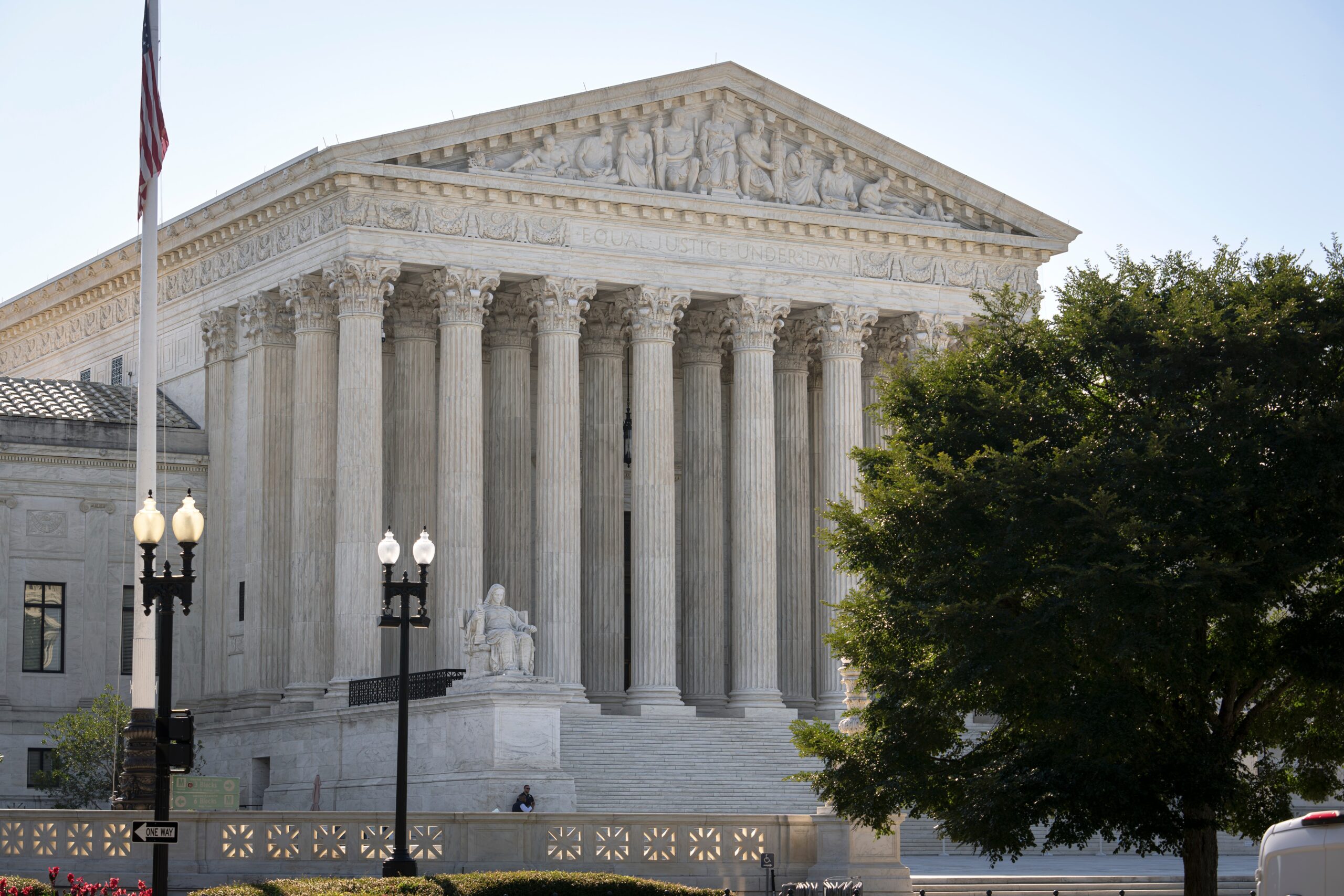
WASHINGTON — The Supreme Court granted an emergency appeal from Republican campaign organizations Friday, temporarily clearing the way for qualifying political party advertisements to receive discounted television airtime before the midterm elections.
The justices paused a ruling from the 4th U.S. Circuit Court of Appeals that favored Democratic candidates who maintained that the federally mandated advertising discounts should be limited to candidates and their authorized committees.
The Trump administration supported the Republican groups’ request.
The Supreme Court’s unsigned order provides temporary relief while the Republican organizations pursue a more comprehensive appeal. It does not constitute a final decision about whether political parties are legally entitled to the discounted rates.
Dispute centers on FCC interpretation
Federal law generally allows candidates to purchase television advertising at broadcasters’ lowest applicable rates during specified periods before primary and general elections.
In March, the Federal Communications Commission’s Media Bureau determined that the discount can also cover certain advertisements purchased by political parties when the spending is coordinated with a candidate.
Four Democrats, including Georgia Sen. Jon Ossoff and former Ohio Sen. Sherrod Brown, challenged that interpretation. A divided 4th Circuit panel sided with them, creating a legal obstacle to political parties receiving the lower rates.
Republican committees cited disrupted advertising budgets
The National Republican Congressional Committee and National Republican Senatorial Committee subsequently asked the Supreme Court to intervene.
They argued that broadcasters had begun charging them higher prices following the appeals-court ruling, disrupting advertising plans during the closing weeks of the election campaign.
“Current and future recissions will require the party committees to pay more for advertising space, thereby hampering their efforts to reach the electorate in the critical weeks leading up to the midterms,” the Supreme Court’s order states.
The majority concluded that the appeals court had intervened prematurely while an internal FCC review remained unfinished. It also noted that the ruling differed from decisions reached by courts elsewhere.
Jackson dissents from emergency order
Justice Ketanji Brown Jackson was the only justice to publicly dissent. She argued that the litigation did not necessarily have to wait until the FCC completed its internal review.
The order follows a separate Supreme Court ruling in June that removed restrictions on political parties spending money in coordination with candidates. Together, the decisions could significantly affect how parties finance advertising, although the latest dispute remains unresolved.
More on US News