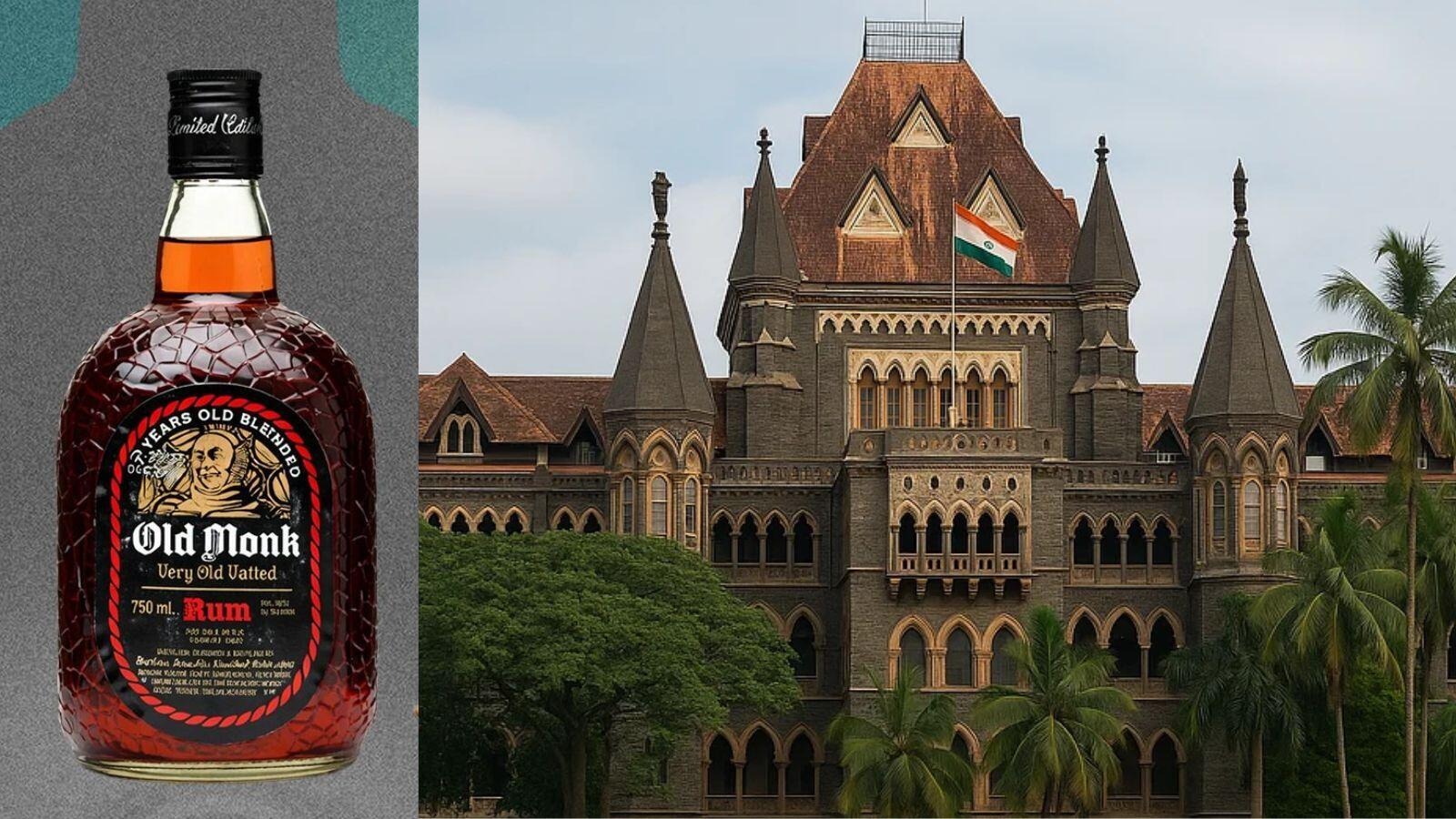
Lovers of the popular rum 'Old Monk', which rules millions of hearts across the country and is known for its special taste, may have to wait longer in Maharashtra. The Bombay High Court has refused to grant any immediate interim relief on the ban imposed by the Food Safety and Standards Authority of India (FSSAI) on the sale of Old Monk in the state of Maharashtra. After this tough stance of the court, the ban on the sale of this iconic rum in the state will remain in place for the time being. This whole matter is not just about administrative paperwork, but it is directly related to the quality of the product, the claims printed on it and the advertisements misleading the consumers, to which both the judiciary and the food regulator have strongly objected. This legal battle going on in the court has sparked a big debate in the alcoholic drinks market of the country, as it is also affecting other big liquor manufacturing companies and their brands.
This whole controversy started when food regulator FSSAI took strict action against the manufacturer of Old Monk (Mohan Rocky Springwater Pvt. Ltd.) and banned its sale in the state. The regulator's main argument was that terms like “7 years old blended” and “very old vatted” were being used on Old Monk bottles, which directly misled common consumers. Acting Chief Justice of Bombay High Court Ravindra V. Ghuge and Justice Gautam A. Ankhad's division bench expressed deep displeasure over this during the hearing. The court itself closely examined the packaging of a bottle of Old Monk in open court during the hearing. The bench observed that the claim on the bottle that the rum is seven years old would lead a common man to assume that the entire liquor inside the bottle was seven years old, whereas the reality was technically quite different. Making a sharp comment, the court said that seven years old clearly means seven years old and the public cannot be misled by such misleading words. Further, the court also noted that the font size of the information given on the bottle regarding the addition of artificial or extraneous flavors is so small that it may require a magnifying glass to be read by an ordinary consumer, let alone an ordinary consumer.
During the hearing, a long and technical debate broke out in the court regarding the process of construction of Old Monk and the materials used in it. Additional Solicitor General Anil Singh, appearing for FSSAI, told the court that the original form of Old Monk Rum should be prepared by natural fermentation of sugarcane. But investigation revealed that the main part of this beverage is neutral spirit i.e. unmatured or unaged alcohol, and the amount of real rum spirit in it is only around 2 to 5 percent. The regulator's strong stance was that when the bulk of the product is made by mixing neutral spirit and artificial or rum-like flavours, it cannot be sold directly as pure 'rum' under legal and food safety standards. FSSAI recommends that such products should be sold as 'rum-flavoured spirit' and not as actual rum. On the other hand, the company's senior lawyer Navroz Seeravai, while presenting his side, argued in the court that the statutory rules and regulations permit the manufacturing of blended spirits and for this, necessary disclosures are also given on the packaging. The company also claims that they are facing huge financial losses on a daily basis due to this ban and that their brand is being selectively targeted in this matter, while other companies also follow similar manufacturing processes.
After this legal pressure and strict comments of the court, the company manufacturing Old Monk has softened its stand and presented new and revised labels before the court. The company has assured the court that they will completely remove the disputed claims of “7 years old blended” from the packaging of the bottles and also the information regarding artificial flavors or added flavors will now be printed prominently and in large letters on the bottles, so that the consumers can easily read the same. However, despite the company submitting the new changed labels, the Bombay High Court has refused to grant any immediate relief as FSSAI has sought some more time to review these new labels and examine them as per the rules. The court has also directed the State Excise Department to expeditiously examine the labels modified by the company and complete the approval process at the earliest so as to keep in mind the economic impact on the industry. The next hearing of this high-profile case has now been fixed for September 11, with the entire nation watching to see whether the court lifts the ban on the sale of Old Monk on this next date or whether the ban continues further.