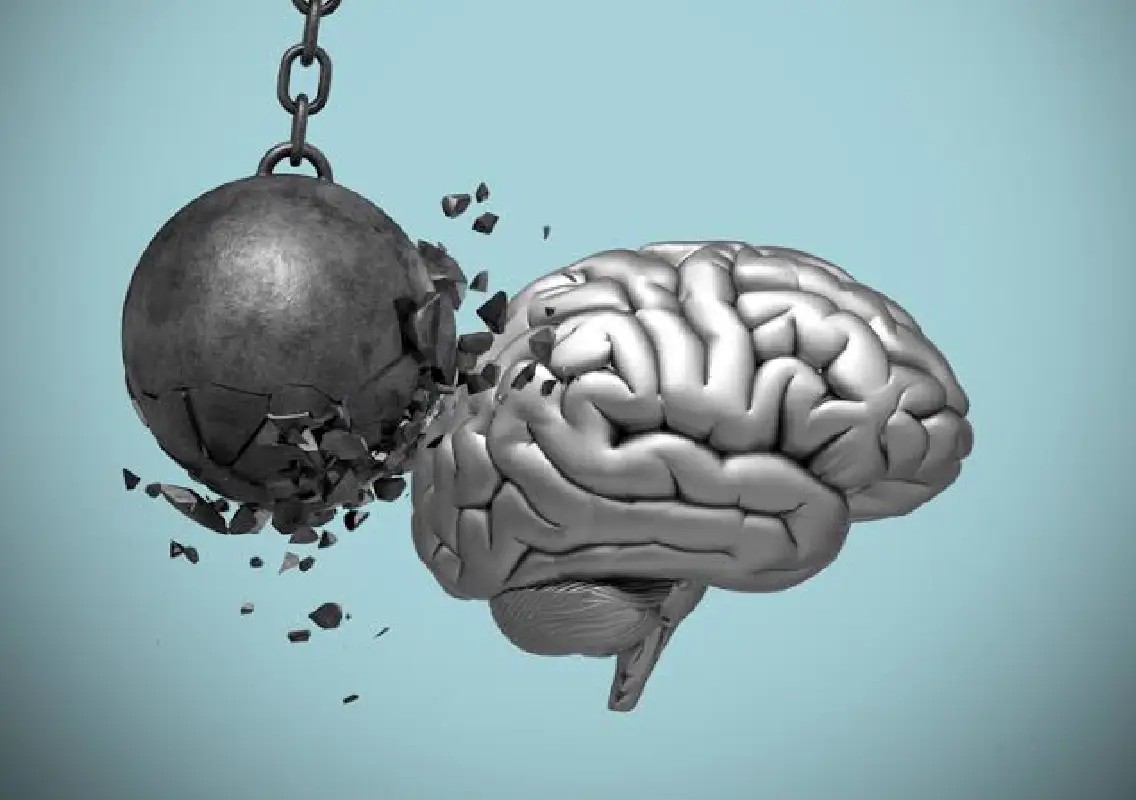
Our cells constantly face potential damage from pollution, ultraviolet radiation, alcohol and other stresses. Yet the body has sophisticated defence systems that can help cells adapt and survive. Scientists are studying whether carefully controlled forms of stress could strengthen these natural protections.
A little stress can trigger protection
The phenomenon is known as hormesis — a response in which a small amount of stress can stimulate protective changes, while a larger or prolonged exposure can cause harm.
Cells have mechanisms that detect damage and activate protective genes. One important system involves NRF2, a protein that acts like a molecular switch, helping activate genes involved in limiting cellular damage and removing harmful substances.
Other cellular responses help repair DNA, recycle damaged proteins and conserve energy when cells are under pressure.
Exercise offers a familiar example
Exercise demonstrates a similar principle at a larger level. Temporary physical stress followed by recovery encourages muscles and other body systems to adapt, making them better able to handle future demands.
Researchers are investigating whether certain plant compounds can produce comparable effects at the cellular level.
Broccoli compound draws scientific interest
Cruciferous vegetables such as broccoli contain compounds that can generate sulforaphane when the vegetable is chopped or chewed. Laboratory research has shown that sulforaphane can activate NRF2 in cells and animals.
However, evidence in humans remains less certain. A systematic review of 18 human studies found mixed results, with limitations in several studies. Researchers are therefore working to develop better ways of measuring these cellular responses in people.
Medicines are also targeting cell defences
Scientists are exploring medicines that deliberately activate cellular protection pathways. Omaveloxolone, an NRF2-activating medicine, became the first medicine specifically approved in the UK for Friedreich’s ataxia in 2025.
Researchers stress that hormesis should not be misunderstood as a reason to expose oneself to pollution, excessive sunlight or other hazards. The amount, duration and type of stress are crucial.
The emerging science suggests that the body’s response to manageable challenges may be an important part of health — but much remains to be understood about how these mechanisms can be safely used.