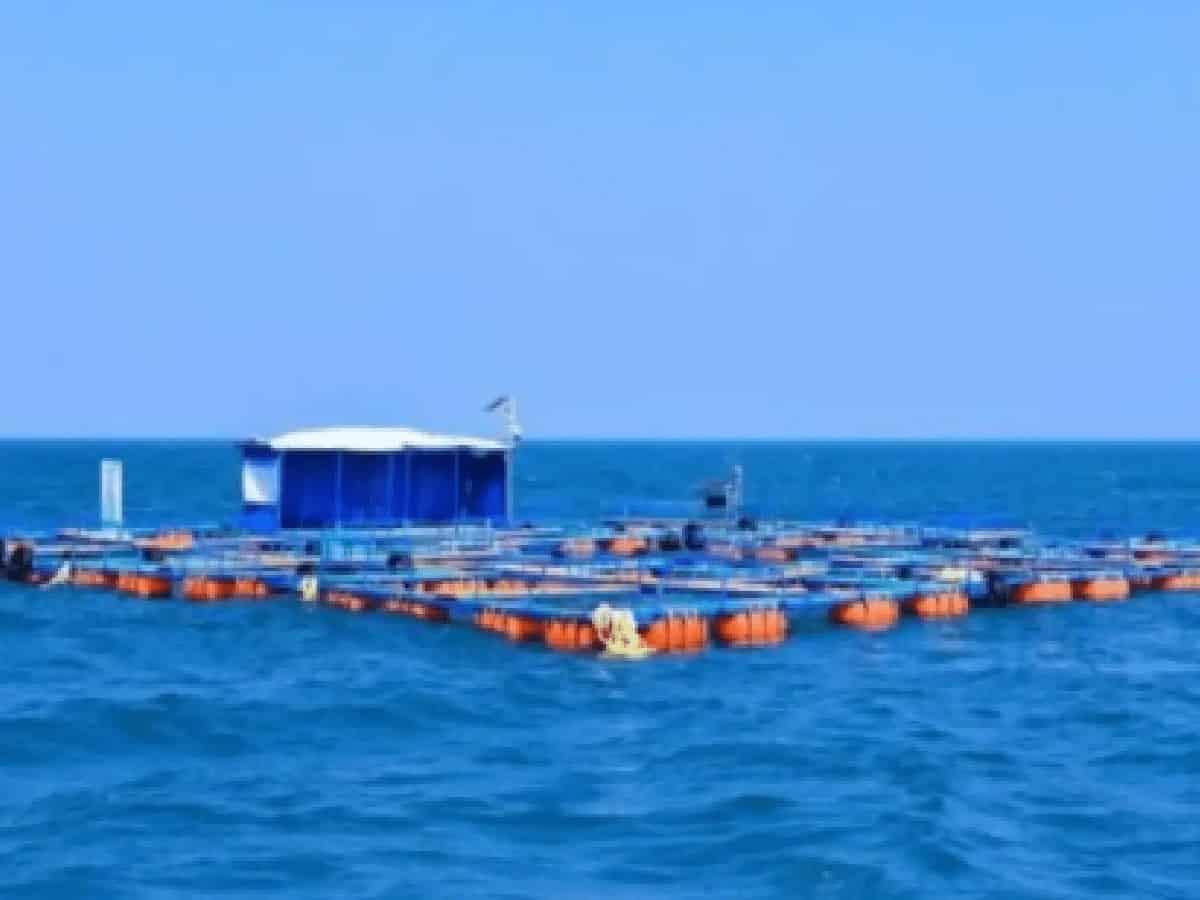
In a monumental scientific breakthrough that shifts the balance of global geopolitical and nuclear power, China has successfully developed a pioneering technology to extract uranium directly from seawater. Surpassing decades of American research and development, Chinese researchers have engineered a high-efficiency extraction method that transforms the ocean into an inexhaustible reservoir for nuclear fuel. This leap forward promises to radically reshape China’s domestic nuclear capabilities and significantly reduce its historic reliance on foreign uranium imports.
The Science Behind ‘Phosque’ and Record-Breaking Extraction Yields
According to reports published in the South China Morning PostChinese scientists developed a revolutionary sponge-like molecular structure containing phosphate, known as “phosque,” which functions as an advanced chemical trap. Researchers transformed this material into durable, millimeter-sized beads designed to be deployed and easily retrieved in the open ocean. These specialized beads demonstrated an astonishing absorption capacity of 22.55 milligrams of uranium per gram and retained their structural integrity across seven successive reuses.
In comparative performance metrics, the breakthrough places China far ahead of the United States. While American institutions—including the Oak Ridge National Laboratory and Pacific Northwest National Laboratory—spent years developing specialized fibers that managed to extract only 6 milligrams of uranium from a gram of seawater, Chinese researchers successfully captured a massive 50.4 milligrams of the substance from a single milligram of seawater, shattering previous scientific limitations.
Solving China’s Uranium Deficit and Overcoming Oceanic Extraction Challenges
Extracting uranium from marine environments has long been considered a monumental scientific hurdle due to the microscopic concentration of the element—with just 3.3 milligrams dissolved in one ton of seawater—alongside numerous other competing minerals. However, while global land-based uranium reserves are estimated at 7.9 million tons, the world’s oceans hold an astronomical 4.5 billion tons washed down from rocks and rivers over millennia.
For China, this innovation addresses an urgent strategic vulnerability. In 2024, China produced approximately 1,600 tons of uranium from domestic mines, falling drastically short of its national demand of 13,000 tons as tracked by the World Nuclear Association. By unlocking the vast potential of seawater uranium production, Beijing has successfully created a domestic solution to secure its long-term nuclear fuel supply chain, leaving Western competitors behind.