The Trump administration has proposed sweeping changes to the 2030 U.S. Census that could exclude millions of immigrants from the population count and eliminate questions about race and ethnicity. The changes could significantly affect congressional representation, Electoral College votes and the distribution of federal funding.
Undocumented Immigrants and Some Legal Residents Could Be Excluded
Under the proposal, the Census would count U.S. citizens and lawful permanent residentswhile excluding undocumented immigrants, asylum seekers and people living in the country under certain temporary legal statuses.
The administration argues that people without permanent status should not be included in the population count used to determine congressional representation because they do not have a sufficient permanent connection to the United States.
The proposal would represent a major departure from the traditional approach of counting people based on where they live, rather than their immigration status.
Citizenship Question Could Be Added
The proposed changes also include adding a citizenship question to the decennial Census.
President Donald Trump has previously sought to add such a question. His administration attempted to include one in the 2020 Census, but the effort was blocked after the Supreme Court rejected the government’s stated justification for the change.
The latest proposal is now open for public comment for 30 days.
Race and Ethnicity Questions Could Disappear
The administration is also proposing to remove questions about race and ethnicity from the Census questionnaire.
Race-related questions have been part of the U.S. Census since 1790, while respondents have been allowed to identify as more than one race since 2000.
Officials argue that the Census should be “colorblind” and should not be shaped by questions about characteristics such as race. The administration is also considering eliminating questions related to LGBTQ+ identity.
Political Representation Could Change
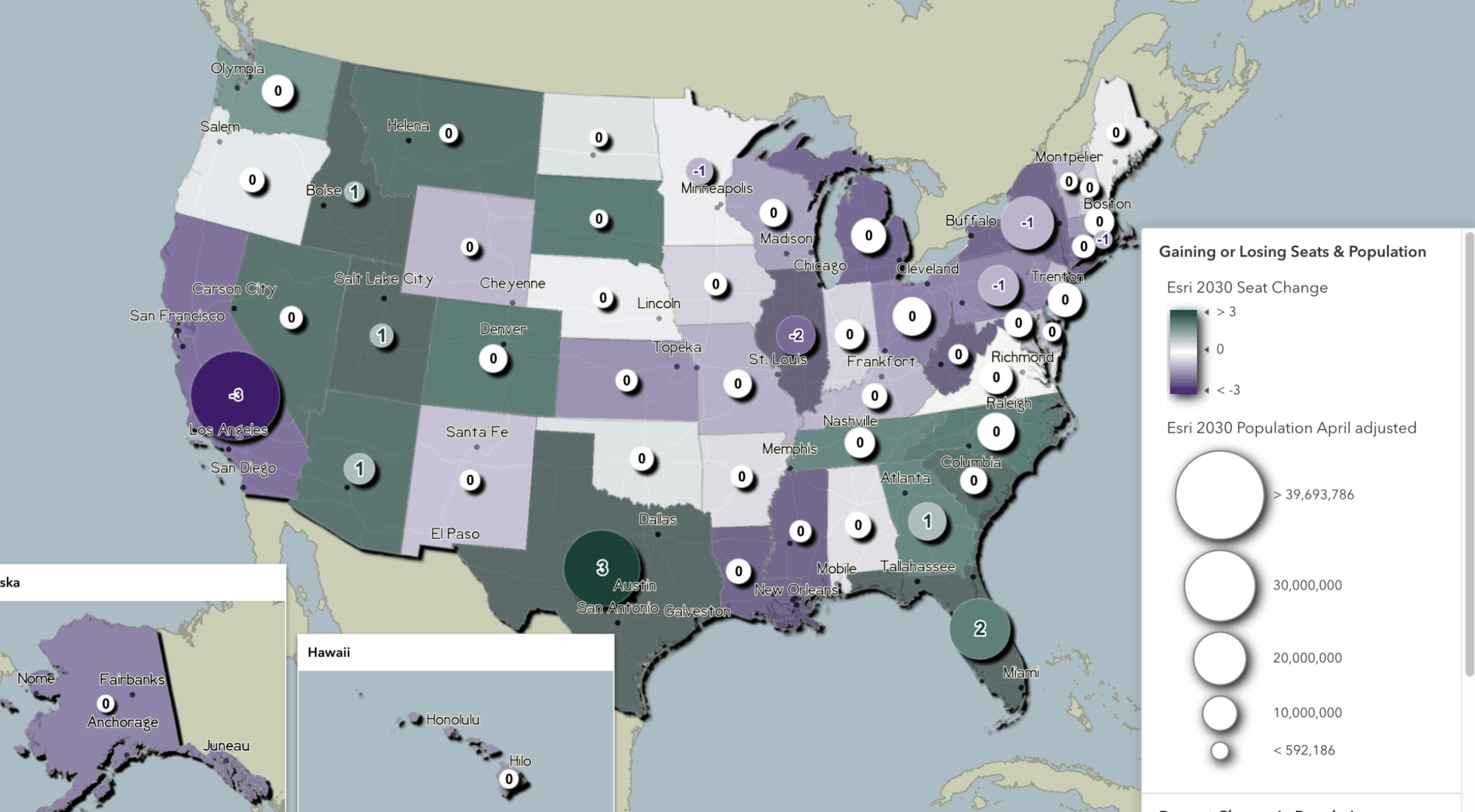
The Census is used to determine how the 435 seats in the U.S. House of Representatives are distributed among states. The population figures also affect Electoral College votes.
Excluding large numbers of noncitizens could therefore shift political representation between states, particularly affecting states with large immigrant populations.
The figures are also used in formulas that distribute federal funding for public services, infrastructure, health programmes and emergency response.
Critics Warn of Data and Funding Problems
Demographers and civil rights advocates have strongly criticized the proposal, arguing that excluding residents would make the Census less accurate and could undermine planning for public services.
They also warn that removing race and ethnicity data could make it harder to measure discrimination, racial disparities and economic inequality.
The proposal is likely to face legal challenges, particularly because the 14th Amendment requires congressional representation to be based on the “whole number of persons” in each state.
Summary: The Trump administration has proposed major changes to the 2030 U.S. Census, including excluding undocumented immigrants, asylum seekers and some temporary residents from the population count. It also wants to add a citizenship question and remove race and ethnicity questions. The changes could reshape congressional representation, Electoral College votes and federal funding, while potentially triggering legal challenges.
Image Source