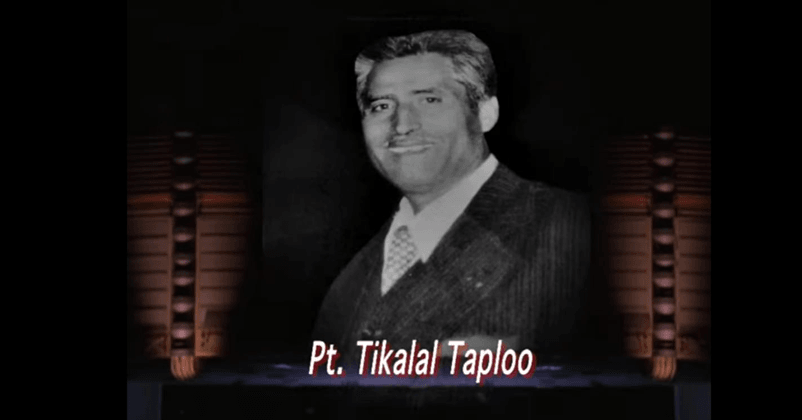
Displaced Kashmiri Pandits living in different parts of the world are observing September 14 as Martyr Day, or Balidan Diwas, to pay tribute to those who lost their lives during more than three decades of terrorism in the Kashmir Valley.
September 14, 1989, was a turning point in the history of Jammu and Kashmir. On that ominous day, terrorists gunned down Kashmiri Pandit leader and senior BJP figure Tika Lal Taploo, an assassination that is regarded as one of the earliest and most consequential acts of targeted violence against the community, which was eventually driven out of the Valley by terrorism and fear.
His killing deepened a climate of fear that had already begun tightening its grip on the Valley. In the years that followed, tens of thousands of Kashmiri Pandits were forced to abandon their homes and flee. Every year on September 14, the anniversary of his assassination is observed as Balidan Diwas in his memory.
This year, on the same day, the displaced Kashmiri Hindu community in Jammu is once again set to raise its voice, pressing for demands that include a separate homeland, rehabilitation, employment and an enhanced relief package.
“Balidan Devas is a day to remember those who sacrificed their lives and to ensure that their memory is never erased. More than three decades after the displacement of Kashmiri Pandits, the community continues to seek justice, security, dignity and the right to return to its ancestral homeland,” Surinder Zutshi, founder and chairman of the Kashmir Solidarity USA, said.
Who Was Tika Lal Taploo?
Taploo was among the most prominent leaders of the Kashmiri Pandit community. A lawyer by profession, he was born in Srinagar and, after completing his education, returned to Jammu and Kashmir to practise law. Deeply active in social and political life, he emerged as a prominent voice for the Kashmiri Pandit community.
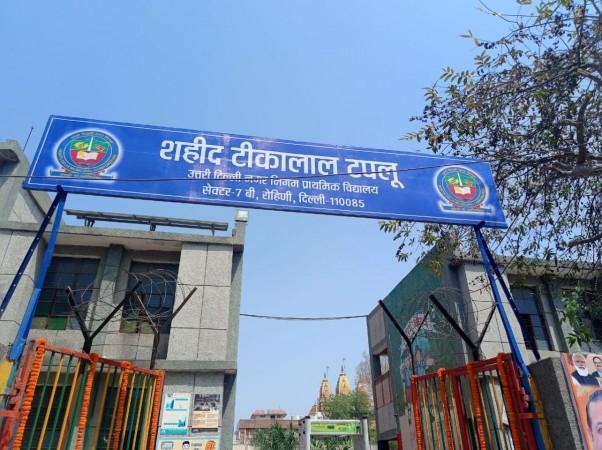
He was associated with the Rashtriya Swayamsevak Sangh (RSS) and was among the early leaders of the Bharatiya Janata Party (BJP), playing a key role in strengthening the party’s organisational base in Jammu and Kashmir. His contribution to the party’s growth saw him rise to become vice-president of its state unit.
From Agitations to the Emergency — A Life Marked by Imprisonment
Taploo was not merely a political leader; he was also known for his active participation in various movements of the time. He was jailed during the 1967 agitation and again during the Emergency.
His persistent efforts to raise issues concerning the Kashmiri Pandit community strengthened his standing among his people. However, his political visibility and ideological convictions also made him a target for extremists as terrorism began taking root in the Valley.
An Attack Two Days Before the Fatal Strike
The September 14 assassination was not the first attempt on Taploo’s life. Just two days earlier, on September 12, his house came under attack, though he survived the incident.
Barely 48 hours later, terrorists struck again — this time fatally.
On September 14, as Taploo was making his way to the Jammu and Kashmir High Court, terrorists opened fire on him. He was killed in the attack.
His assassination sent a chilling wave of fear through the Kashmiri Pandit community. In the aftermath, incidents of terrorism and targeted killings in the Valley escalated sharply, further intensifying the sense of insecurity among members of the community.
He Had Stepped Out to Help a Child
An anecdote associated with Taploo’s assassination continues to be recounted within the Kashmiri Pandit community. According to the account, on the day of his killing, he heard a young girl crying. Her mother reportedly told him that her daughter needed money for a school function, but the family could not afford it.
Taploo reportedly reached into his pocket, took out five rupees and was attempting to hand the money to the child when terrorists opened fire on him.
The episode has since become part of his legacy — not only as a political leader but also as a man remembered for helping those in need, even in the final moments of his life.
Why September 14 Became a Date of Reckoning
Taploo’s assassination left a deep and lasting wound in the collective memory of the Kashmiri Pandit community. In the years that followed, terrorist violence in the Valley intensified, while threats and attacks against the community multiplied.
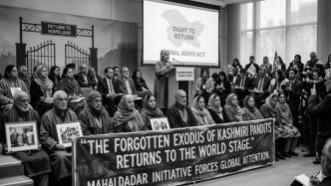
Large numbers of Kashmiri Pandits were uprooted from the Valley and forced into displaced lives in Jammu and other parts of the country. It is this tragic legacy that turned September 14 — the day of Taploo’s assassination — into Balidan Diwas, observed every year in his memory and in remembrance of those who lost their lives to terrorism.
Demand for a “Homeland” Set to Resurface on Balidan Diwas
This year, the displaced Kashmiri Hindu community in Jammu is organising a major gathering on September 14 at Manhas Maidan in Paloura, under the banner of Panun Kashmir, to place its long-pending demands before the Centre and the Jammu and Kashmir administration.
The demands include official recognition of what the organisation describes as the genocide of Hindus in Kashmir, a separate homeland for displaced Kashmiri Hindus, an employment package for 15,000 youths and an increase in the monthly cash relief provided to the displaced community.
The observance of Balidan Diwas is expected to once again bring the issues of the displaced Kashmiri Pandit community, including rehabilitation, political representation, employment and return to the Valley, into sharper focus.