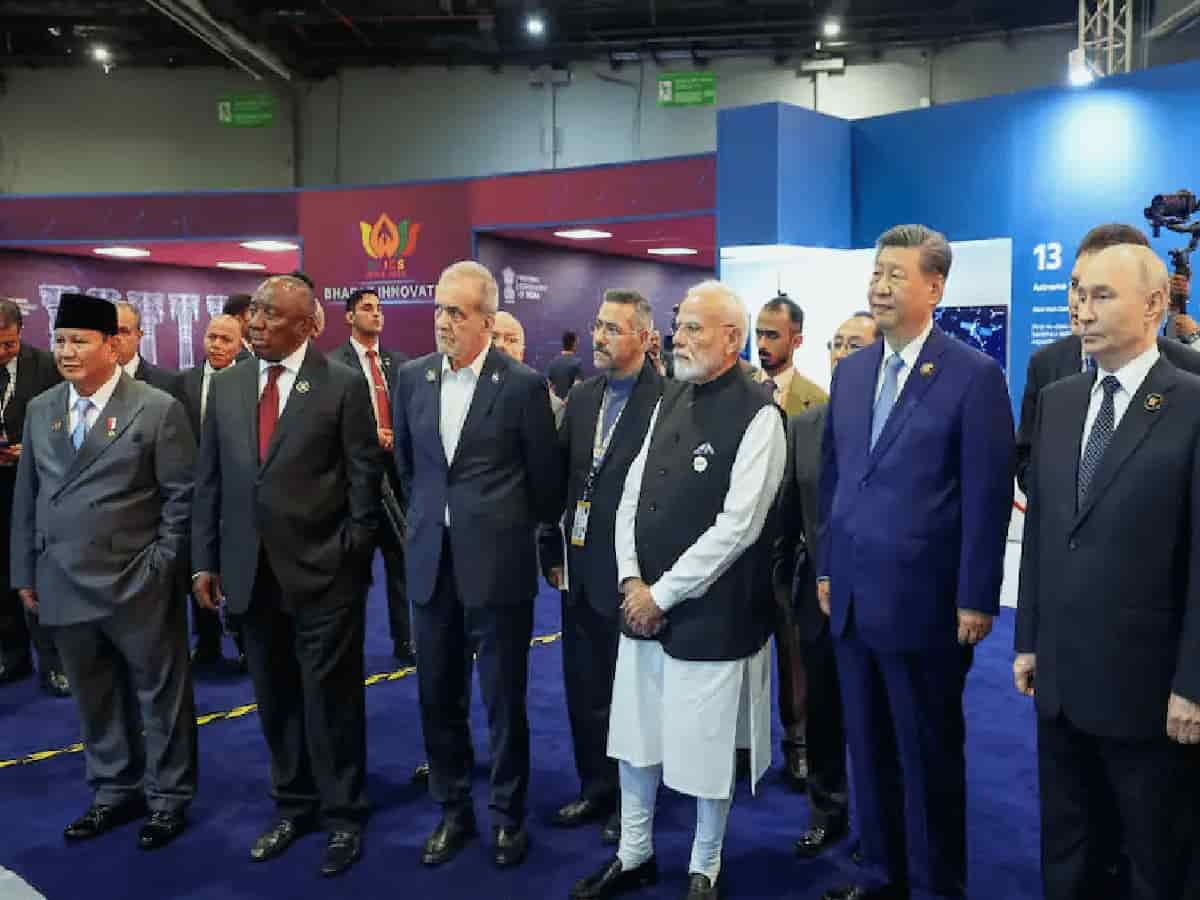
A significant diplomatic breakthrough unfolded at the BRICS Summit 2026 as Iranian President Masoud Pezeshkian and UAE Crown Prince Sheikh Khalid bin Mohammed bin Zayed Al Nahyan held a high-profile face-to-face meeting. This encounter marks the most crucial top-level interaction between the two nations since regional conflicts strained bilateral ties. Against the backdrop of escalating Middle Eastern hostilities—which have included security friction and regional proxy tensions—the leaders came together on a neutral international platform to discuss avenues for lowering hostilities, safeguarding stability, and fostering mutual dialogue, signaling a cautious yet vital step toward regional de-escalation.
BRICS Joint Statement Urges Regional Restraint and Protection of Maritime and Energy Security
The bilateral engagement coincided with the official endorsement of a comprehensive joint statement by BRICS member nations addressing the mounting crises across West Asia. The declaration strongly urged all involved parties to exercise maximum restraint, avoid provocative actions, and prioritize the protection of civilian lives while strictly respecting national sovereignty and territorial integrity. Furthermore, the joint communique emphasized the critical necessity of safeguarding global trade routes, stabilizing energy flows, and ensuring maritime security, reflecting the collective international anxiety surrounding the broader economic fallout of ongoing regional instability.
Decoding the Strategic Significance of the Pezeshkian-Abu Dhabi Crown Prince Talks
While neither Tehran nor Abu Dhabi disclosed detailed agendas or formal pacts following the discussions, political analysts view the meeting as a pragmatic exercise in diplomatic damage control. Given previous concerns regarding regional security infrastructure and maritime vulnerabilities, the willingness of Iranian and Emirati leadership to share a public platform and endorse unified stability calls demonstrates a shared interest in preventing a wider conflagration. Although it remains premature to label the interaction as a permanent resolution to historical rivalries, the dialogue underscores an active diplomatic channel aimed at mitigating friction and protecting vital economic and geopolitical interests in the Gulf.