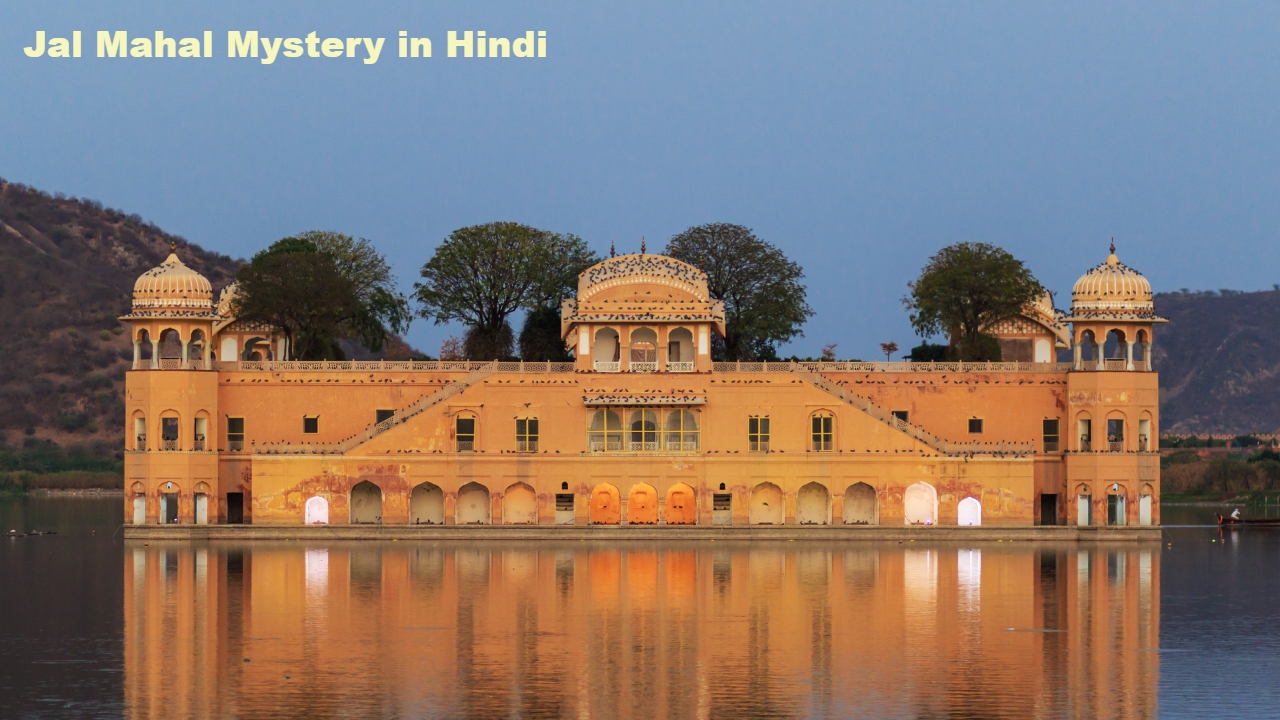
Jal Mahal Mystery in Hindi: Rajasthan is such a name that what comes first in our mind when we hear it? Deserts spread far and wide, mountains scorching with drought and scorching heat and sunlight like fire raining from the sky. But what if I tell you that right in the middle of this scorching heat, there is a place in the capital of this state, Jaipur, which is facing this age-old heat and taking a breath of peace in the depths of water.
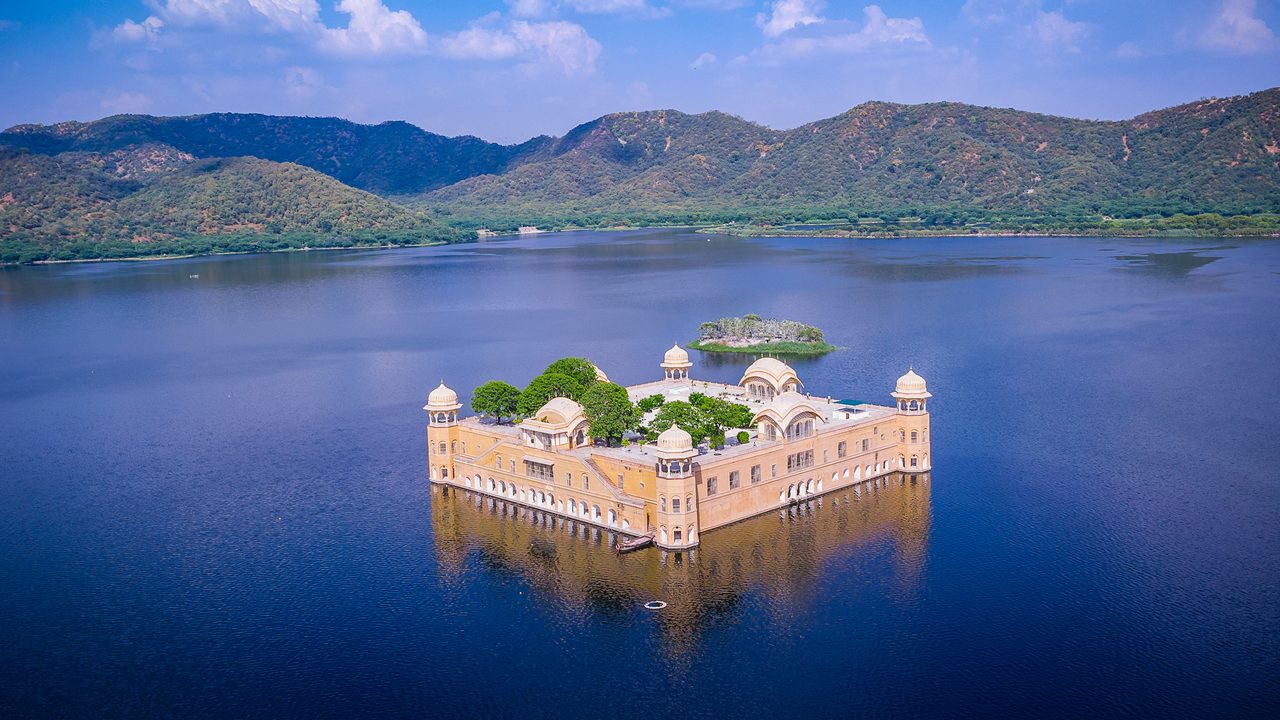
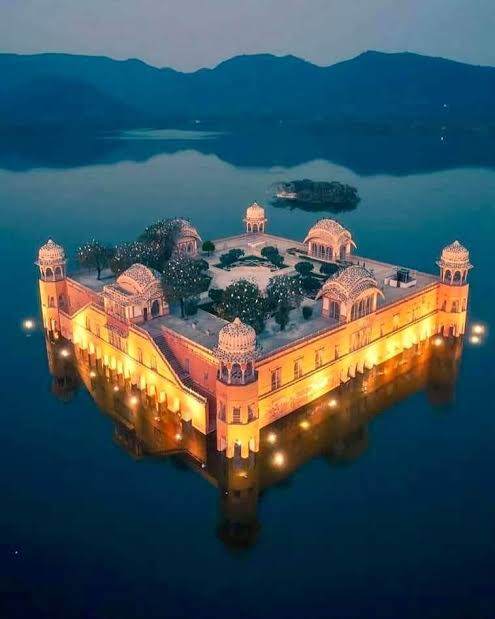
When you see this Mansagar Lake from a distance while passing through the streets of Jaipur, you see a very beautiful, lonely and absolutely peaceful palace floating on the blue water. It seems as if a king has built his own little private paradise over the water. Its red sandstone walls and umbrella domes attract any person towards them. But stop and think, is what you are seeing with your eyes the whole truth? This palace is a big fraud.
This floor that you see standing calmly above the water is just a mask, a curtain. The real story is buried beneath this calm and deep water. You will be surprised to know that below this one floor there are not one, not two, but four more floors. Yes, a huge five-storey palace whose four floors have been submerged in the dark waters of this lake for the last 250 years. Why after all? Under what madness, what hobby or what compulsion did a king submerge his own luxurious palace in water?
Was this just a royal way to escape the summer heat? Or there is some deep secret buried in the darkness of these four submerged floors which needed to be hidden forever from the eyes of the outside world and the common people. After all, what was its real purpose? What is hidden under water? Today we will cross this water and reach the very end of that truth. And we will dig out the history hidden in the depths of this lake which has been hidden from the world till date.
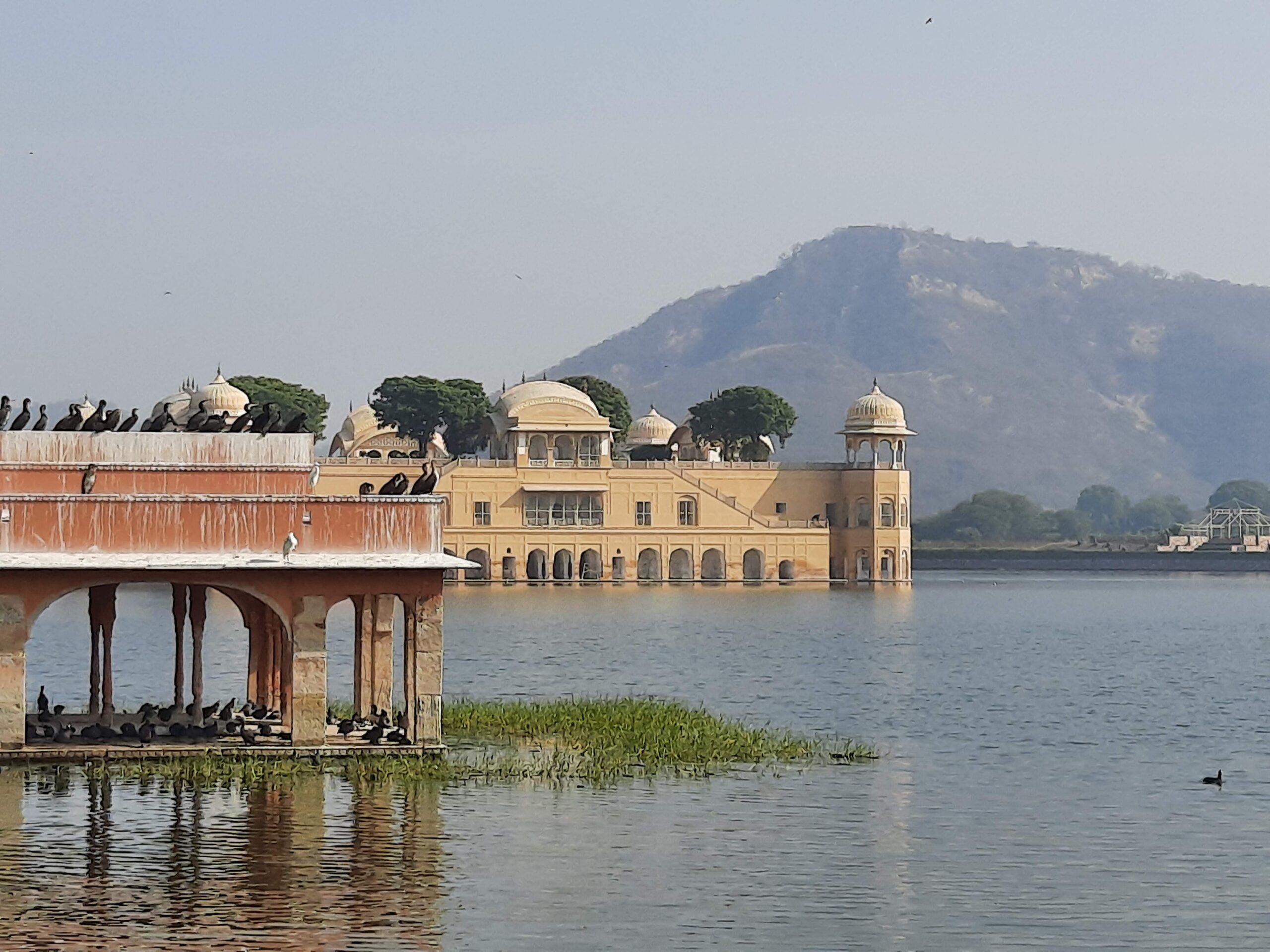
The name Jal Mahal itself seems as if water and stones together have created some magic. When you first stand on its banks, the ancient Aravali hills in the background surround it like an impenetrable fort. When the first rays of the morning fall on the red sandstone of this palace, it shines like a golden crown. When a common man sees it from a distance, he feels that a small, very beautiful one-storey pavilion is standing above the water.
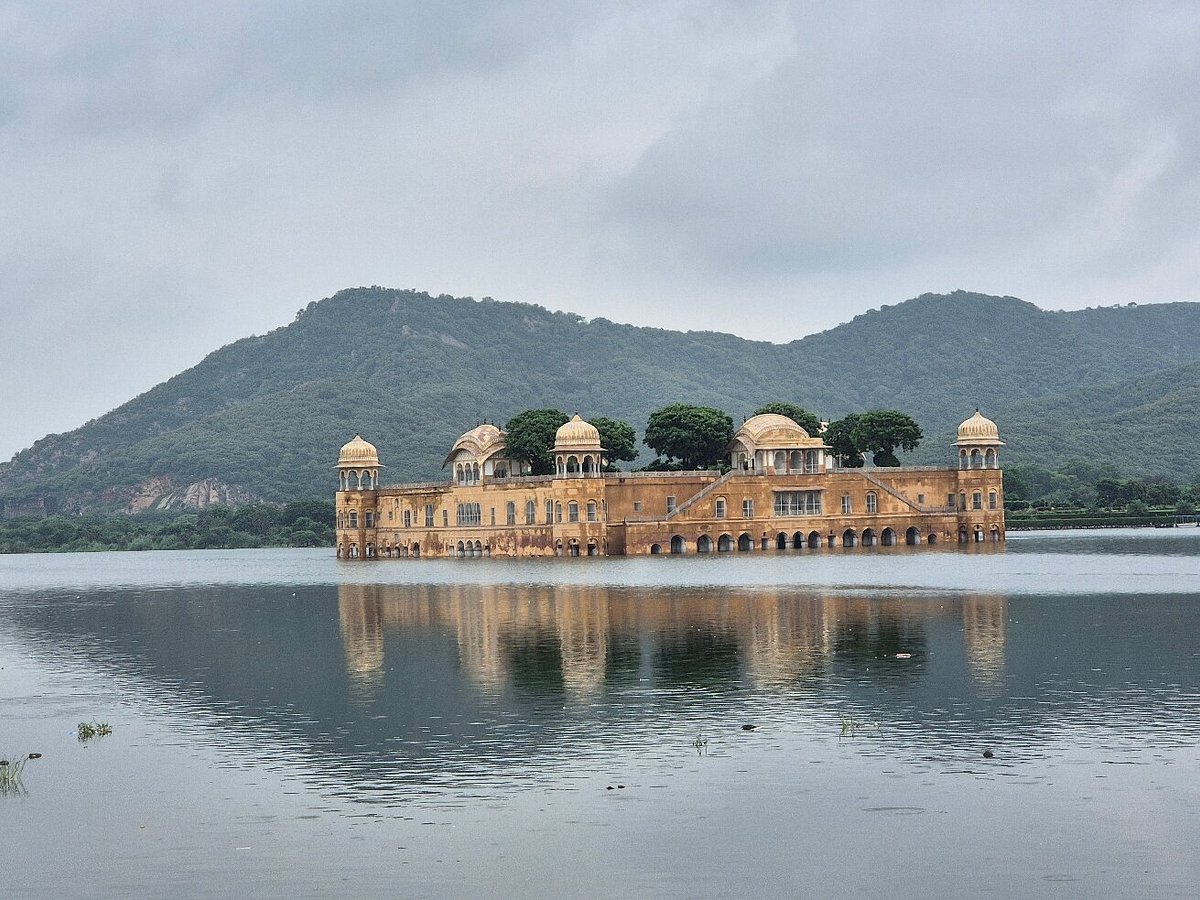
But this is the beautiful deception that Jalmal has been giving to the world for centuries. People come here, take photos and go away praising its beauty. Without realizing that the building in front of them is actually just a small part of a huge five-story building. This palace is a huge architectural masterpiece of not just one floor, but five floors. Imagine a building of which 80% is always under water.
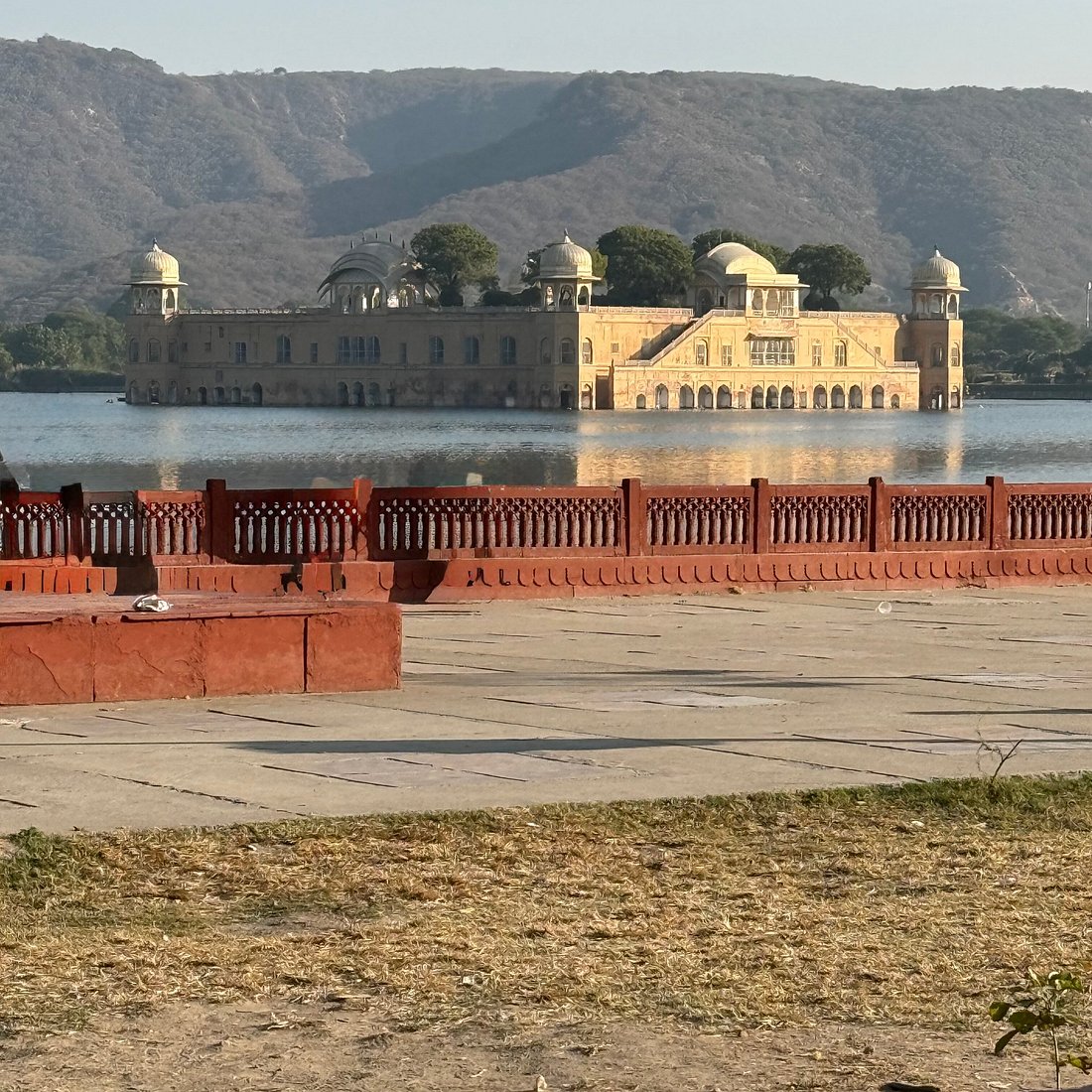
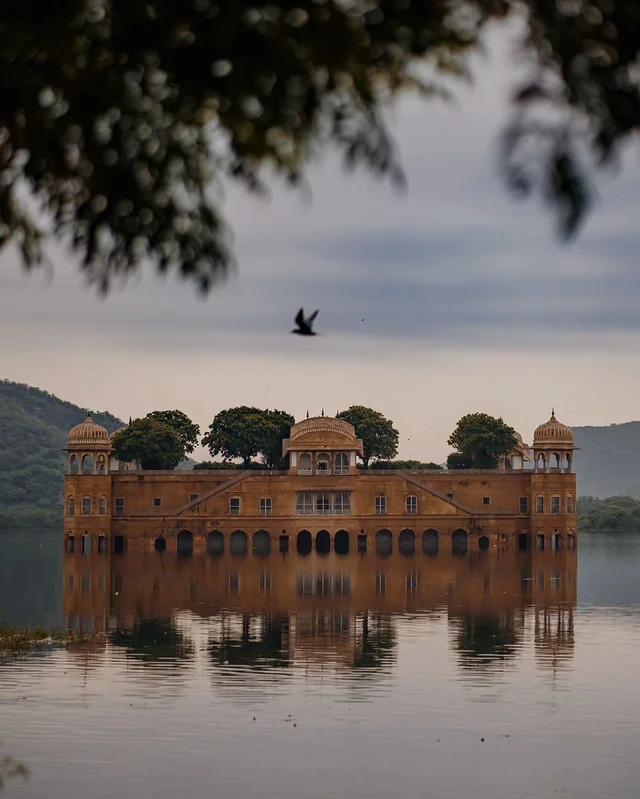
When Mansagar Lake is completely filled during the rainy season, the bottom four floors of Jalmal get completely submerged. Only the top floor, its beautiful roof and the chhatris made in Rajput Mughal style are visible above the water. People are surprised to see how a building can remain standing even after being more than half submerged in water. This is not a simple thing.
In today's modern era, big buildings and new age bridges become weak within a few years due to dampness and water. There this palace has been standing proudly on the chest of this water for more than 250 years. Waves of water hit its walls day and night. But it seems as if this palace has made a pact with water. The water wants to drown it and this palace has accepted the depth of water as its home. But who created this amazing and beautiful deception?
What was the thinking behind making it and how was its foundation laid? To know this we have to turn the pages of history which are centuries old. If we carefully turn the pages of the history of this mysterious palace, we will have to go back in time i.e. to the 17th and 18th centuries. The original structure of this palace was built around the year 1699. But the huge and grand Jal Mahal that we see today.
It was truly renovated and expanded in the 18th century by Jaipur's founder and most capable king, Maharaja Sawai Jai Singh II and later Maharaja Madhav Singh I. Official (clearing throat sound) historians and government documents say that this palace was not built for kings to live in. It was not a residential palace where a queen or prince was always on the way. Rather, it was made for his special hobby and that hobby was hunting.
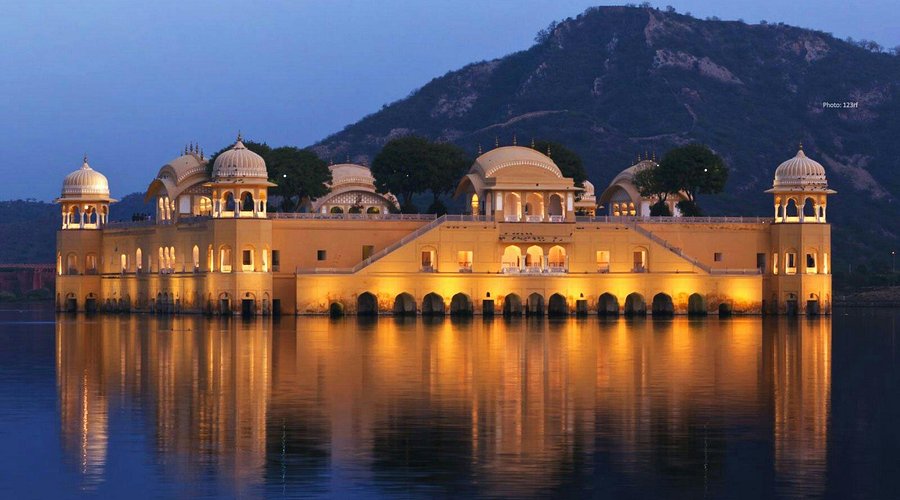
At that time, Mansagar Lake and its entire surrounding area was surrounded by dense forests and hills. When winter season came, thousands of migratory birds from all over the world, especially from Siberia, used to come here. The king and his royal guests used to come to this palace in their wooden boats. So that they can hunt ducks and royal birds and celebrate. This palace was also a royal hideout for him to escape from the enemies.
When the entire Rajasthan was burning in the scorching sun, there was a strange coolness and peace inside this palace amidst the walls surrounded by water. But just stop and think a little deeper. Royal banquets were held in the uppermost part of the palace. Beautiful music was playing and the royal guests were enjoying wine and hunting, and there was an eerie and deep silence in those four floors submerged in water right below their feet.
Light and activity above and darkness and silence below. Would a king build such a huge five-storey and mysterious structure just for hunting and rest? Is something else being hidden behind the darkness of this water? The answer lies in its design and engineering. Jal Mahal is not just a symbol of royal grandeur. This is such a living miracle of the engineering of ancient India that even today's big foreign architects and engineers are stunned to see it. The first question that comes in everyone's mind is how was it built in the middle of water?
Was there already water and stones were added to it? The truth is that Jal Mahal was not built in any natural lake. Mansagar is not a natural lake, rather it is an artificial lake i.e. man-made lake. Earlier a river named Darbhavati used to flow in this area. In the 18th century, when there was a shortage of water in Jaipur and the danger of floods increased, Maharaja Jai Singh II built a huge dam on this river. Due to this dam, a very big lake was formed here which was called Mansagar Lake.
That means this entire project was a very advanced example of water conservation and flood management. When this lake was dry, the foundation of this palace was laid and all five floors were built. And later it was filled with water. But the biggest miracle is its waterproofing system. 250 years. How is it possible that a building remains continuously submerged in water for 250 years and its walls do not collapse? Nowadays, walls made of modern cement get damaged due to dampness in 20 to 30 years.
So what kind of magic did the Rajput artisans of that era do? He prepared a special kind of mortar i.e. masala. He created a paste by mixing limestone, surkhi, jaggery, fenugreek and similar natural substances which becomes even more solid and strong when mixed with water. This mixture immortalized these red stones forever. Apart from this, the walls were made so thick that the heavy pressure of water could not break them.
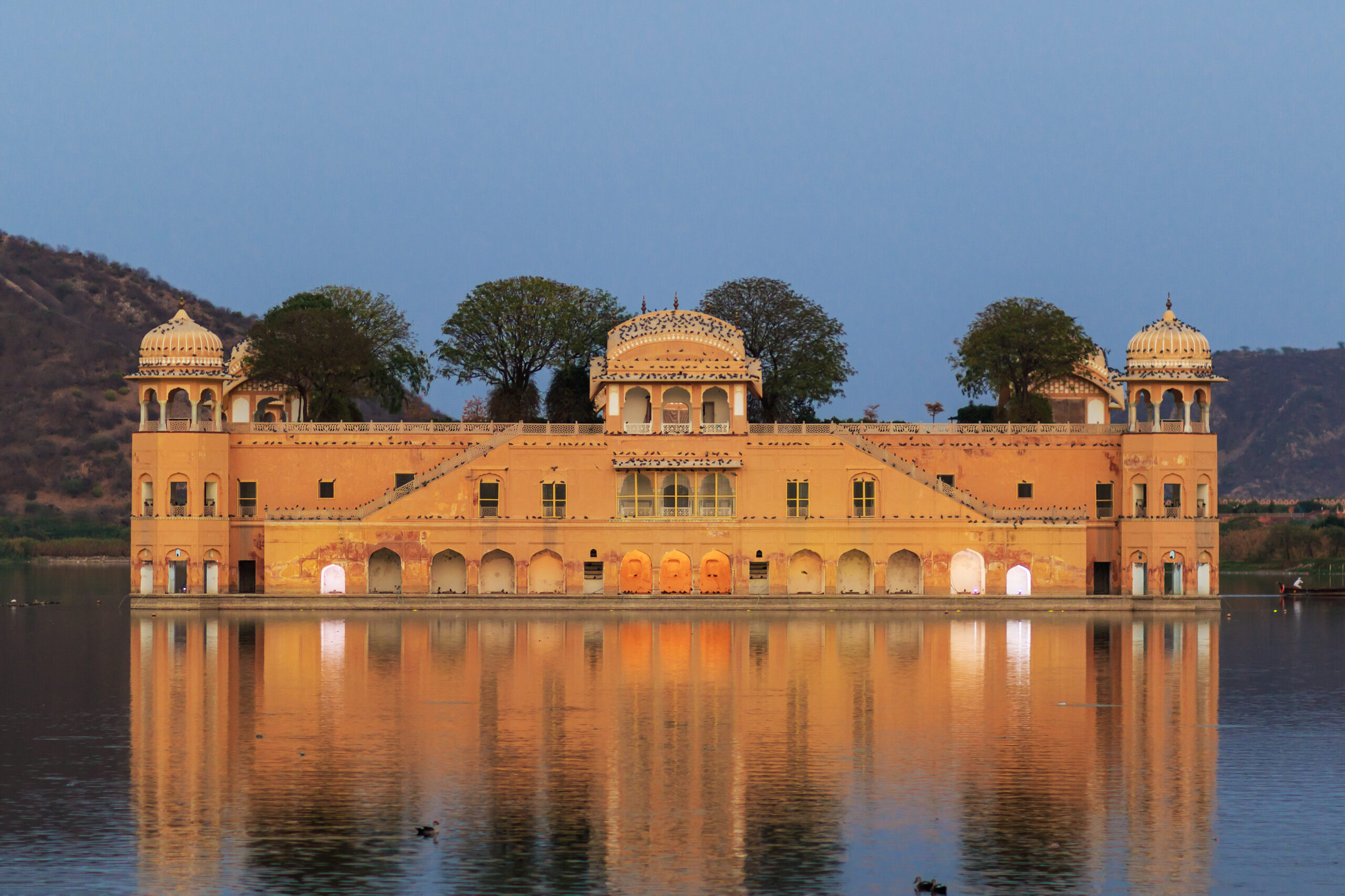
The waves of water have been trying their hand on its walls for centuries. But she has not been able to penetrate this Rajput engineering. Even today, not a single drop of water drips inside its submerged floors, which is the biggest proof of the science of our ancestors. But every page of history does not tell only the story of beauty and success. There came a time when this royal palace and this sacred Mansagar lake saw a scene of death and destruction which no one had even imagined in their dreams.
Times changed, the country became independent, the monarchy ended and the city of Jaipur started rapidly sinking under the burden of population. In the last decades of the 20th century, in the name of modern development, all the dirty water of the city, factory chemicals and sewage waste was released into this Mansagar lake without any treatment. (Suddenly loud breathing sound) The lake that was once home to royal boats and beautiful migratory birds from all over the world turned into a rotting black and smelly drain.
The water of the lake became so poisonous that the creatures inside the water died and the birds stopped coming here completely. The splendor of Jal Mahal is gone. Black moss settled on its walls. The palace remained standing like an abandoned ruin like a scary ghost in the middle of that dirty water. People used to cover their nose while passing through this route. At that time it seemed that this precious page of the history of Rajasthan would now be buried forever in this heap of filth. But it is said that true heritage does not die.
Around the year 2004, the Rajasthan government and some private companies together started a huge and difficult restoration project to save this historical heritage. Hard work went on day and night for years. Millions of tons of toxic soil were removed from the bottom of the lake. Sewage routes were permanently diverted and mega water treatment plants were installed. And then the lake breathed again. As soon as the water became clear, the angry birds returned after years.
The filth which people had considered a stain, once again shone in its full glory. It was an amazing rebirth of not just a building but an entire ecosystem. Today Jalmal is again standing amidst the water with all its glory and love. Every year lakhs of tourists come here and take pictures. But you might have noticed one thing: even today it is strictly prohibited for everyone to go inside this palace. No common man or tourist is allowed inside the palace.
And this restriction, this obstruction makes the last and biggest mystery of Jal Mahal even deeper and stronger. After all, why has the government and administration kept such strict security on entering it? After all, what is there in the darkness of those four submerged floors? The local people here and many archeology experts believe in a very mysterious theory. They believe that under the lowest floor of Jal Mahal, there are some secret passages and secret chambers under the water.
It is said that these tunnels pass under water and directly connect to the old Jaipur city, Amer Fort or Nahargarh Fort. If we look at the picture of old times, this seems absolutely logical. If an enemy surrounded the palace in water from all sides, how would the king and his family escape from there? Making such tunnels for emergency exits was an old habit of Rajputs. Such secret routes have been found in almost every big fort of Rajasthan. So wouldn't there be such a way in a place like Jalmal?
Officially, till date no government investigation or Archaeological Survey of India ASI has presented any concrete evidence to the world about the existence of these secret tunnels. But they say that where there is fire, smoke arises there. That darkness of the sunken floors still holds within itself many unsolved secrets which perhaps it is better to keep hidden from the world.
Those secrets of the royal era are still buried in those closed rooms. So next time whenever you go on a trip to Jaipur and see this beautiful palace floating on water from a distance, stop for a moment. Don't just look at it superficially and pass it by. Closing your eyes and feeling that deep darkness breathing silently under the water at that very moment