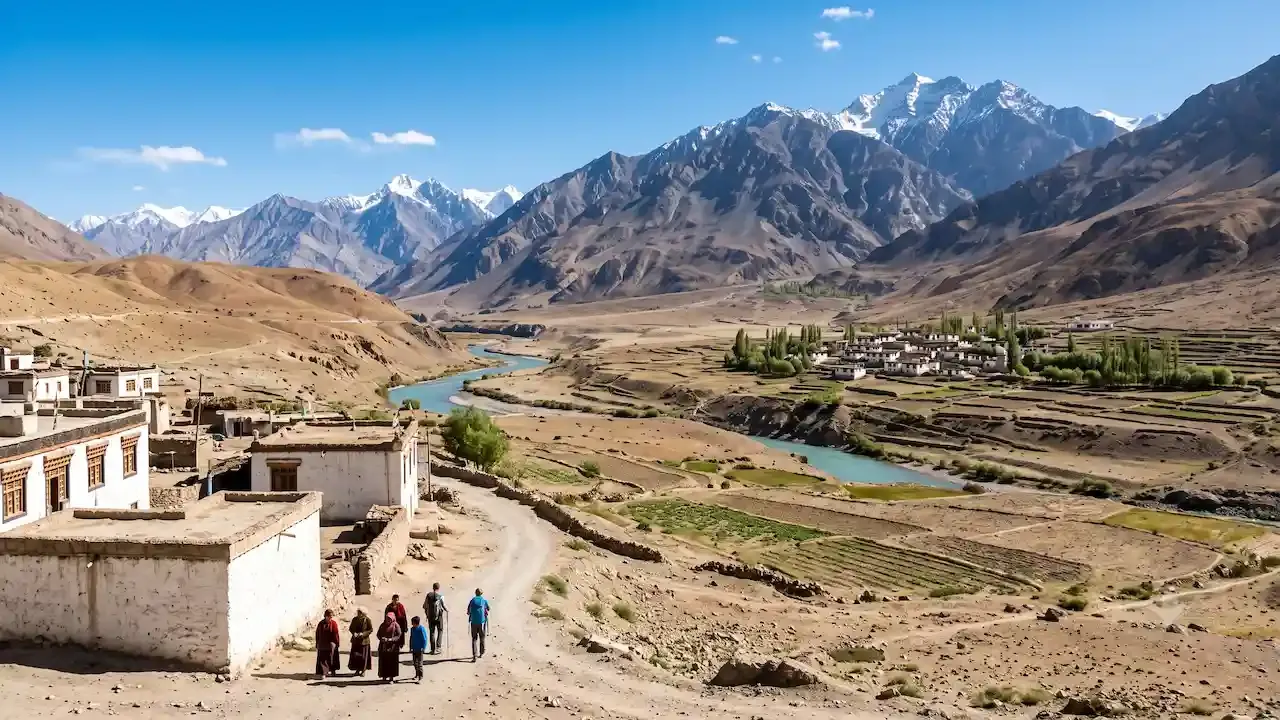
Zanskar Valley: Travel to Ladakh is no longer limited to just Leh, Pangong Lake and Nubra Valley. Zanskar Valley is attracting travelers who want to experience mountains, valleys, Buddhist culture and exciting road trips away from the crowds. This valley, which remained isolated due to difficult geographical conditions for a long time, is now emerging on the travelers’ map with better road connectivity.
The thrill of reaching Zanskar
The journey to Zanskar is an experience in itself. The hilly landscape changes continuously as we move from Kargil to Padum. Penzi La Pass is the major attraction of this route. Here one gets a spectacular view of the Drang-Drung Glacier along with the high altitude lakes and surrounding mountain views. Road construction and widening work is ongoing in different parts, so please check local road and weather conditions before leaving.
Start exploring the valley from Padum
Padum is the major administrative and tourist center of Zanskar and a convenient base for excursions to the surrounding areas. It is interesting to take a closer look at the local market and everyday life here. As soon as you move out of the city, the quiet and rare world of the valley begins to emerge. The real joy of a trip here lies in spending time amidst the surrounding villages and natural scenery rather than seeing more sights in a hurry.
Old culture is visible in monasteries
Zanskar is also known for its Buddhist monasteries. Karsha Monastery is a major religious and cultural site situated on the hill slope, while Phuktal Monastery holds attraction due to its cave-like natural structure. Reaching Phuktal requires walking, so plan according to time, weather and your ability. It is important to respect local traditions and religious activities in monasteries.
Understand the real Zanskar by staying in villages
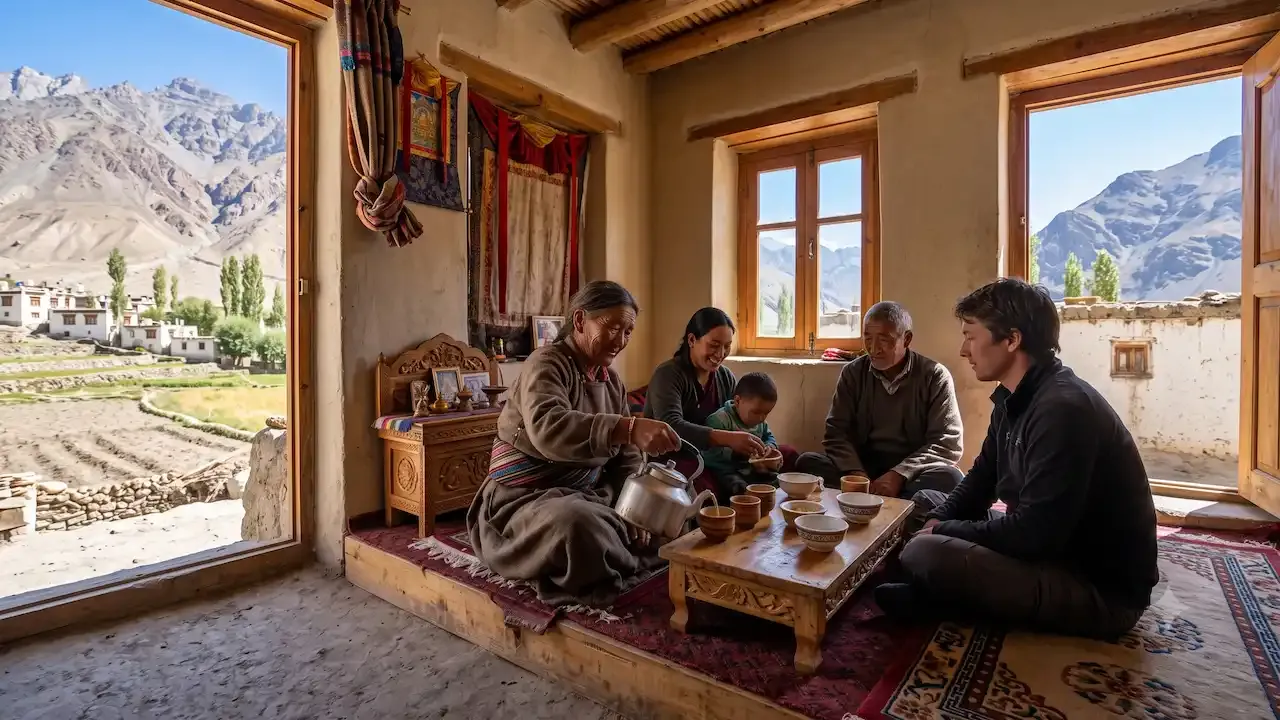
If you don’t want to limit your travel to sightseeing only, homestays in villages can be a good option. Staying with local families provides an opportunity to understand the traditional food, lifestyle and everyday world of the hill community. While traveling around Padum and in remote villages, keep in mind the permission of local people, personal property and decorum at religious places.
When to go and what preparations should be made?
Traveling to Zanskar in summer is practical, but the altitude and weather should not be taken lightly. Instead of setting out on a long journey straight from Leh or other high altitude places, give your body time to adjust. Carry warm clothes, sturdy shoes, sun protection, essential medicines, water, power bank and enough cash. Mobile networks may not be reliable everywhere, so offline maps will also be useful. Be sure to check the latest road, weather and local administration advice before travelling. The beauty of Zanskar lies in its remoteness and simplicity; So look at it not just as a place to visit, but as a slow-paced Himalayan journey.
FAQ
Which is the best route to reach Zanskar Valley?
There are two major routes to reach Zanskar: first via Padum via Srinagar-Kargil-Suru Valley, and second via Padum via Manali-Darcha-Shinkula pass.
Is Inner Line Permit (ILP) required to visit Zanskar?
Indian tourists generally do not require separate permits for the Padum and main routes, but valid identity card and registration with the Ladakh administration may be mandatory for sensitive border areas or specific trekking routes.
What is the mobile network status in Zanskar?
Jio and BSNL’s 4G/postpaid network works in Padum and some surrounding areas, but there is no network in remote villages and passes.
Can one go to Zanskar in a normal hatchback car?
The situation has improved after the construction of roads, but at many places there are drains, rocky paths and landslide prone areas. Therefore, SUVs or vehicles with high ground clearance are the safest option.
How long does it take to reach Phuktal Monastery?
After reaching the road head (Cha or Purne village) by car, one has to trek for about 2 to 3 hours on foot to Phuktal Monastery.