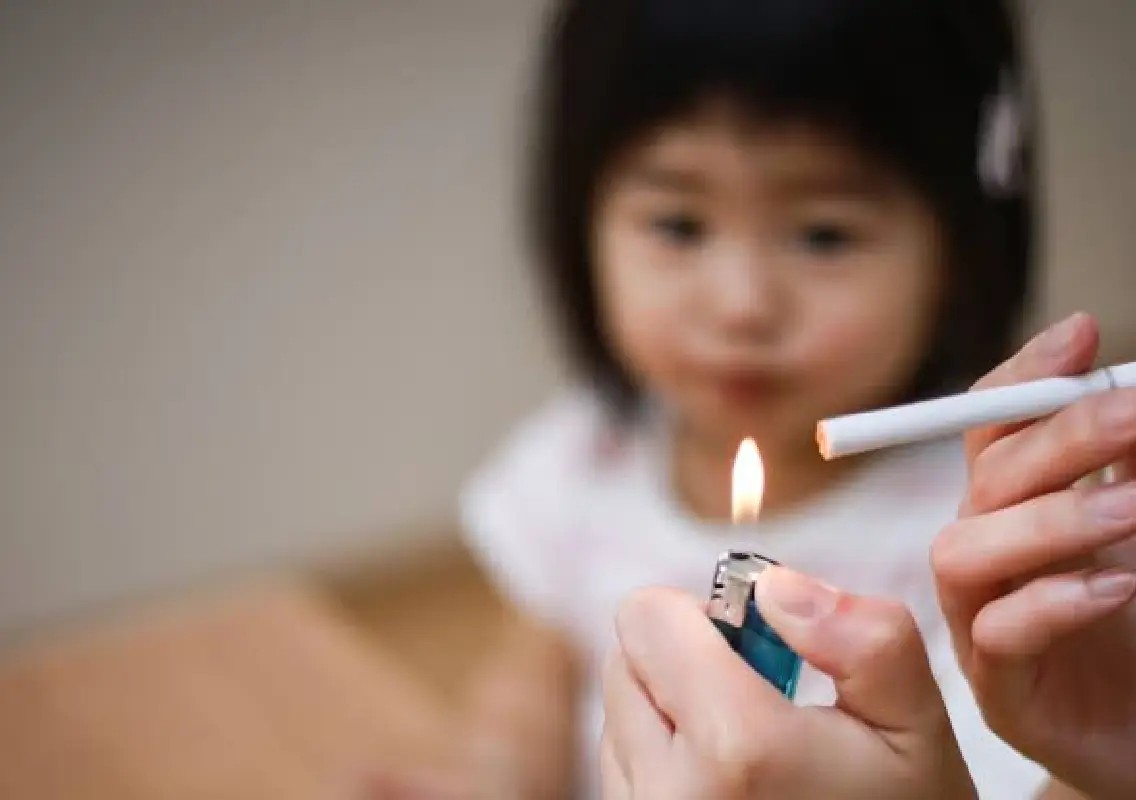
India’s efforts to restrict smoking in public places may have reduced exposure in some settings, but a growing health concern remains inside homes and other private spaces, where women and children can be exposed to second-hand smoke.
A new analysis published in The Lancet Public Health estimates that 444 million people in India were exposed to second-hand smoke in 2023. Globally, 2.71 billion people were exposed, including 767 million children aged 0–14. Second-hand smoke was associated with an estimated 1.66 million deaths and 44.8 million disability-adjusted life years (DALYs) worldwide in 2023.
Women and children face particular risks
The study found that women in some countries experienced substantially higher exposure than men. Children are also particularly vulnerable because exposure can contribute to respiratory illness and other health problems.
The concern is especially significant when smoking moves indoors. India’s tobacco-control framework prohibits smoking in public places, but protection from exposure inside homes remains more difficult to enforce. The Indian government’s National Tobacco Control Programme identifies smoking in public places as a punishable offence.
The health burden remains substantial
The latest global study found that ischaemic heart disease was the largest contributor to second-hand-smoke-related DALYs overall, while lower respiratory infections accounted for the largest burden among children.
India has made progress in reducing tobacco use among women and schoolchildren, according to government data. However, exposure to smoke from others remains a separate public health concern.
Health experts stress that protecting non-smokers requires smoke-free environments, particularly in homes and enclosed spaces where children and family members may have little control over their exposure.