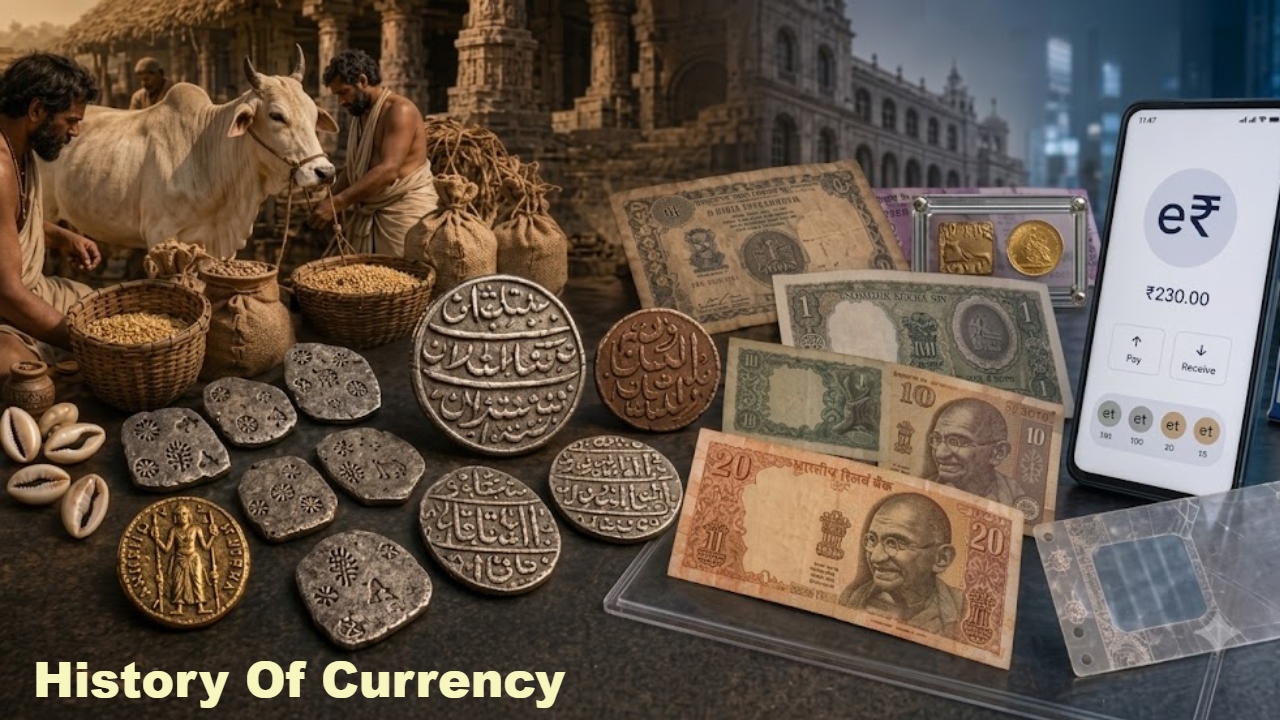
History Of Currency: Hello friends, as you know, today money is such a big part of our lives that it seems difficult to imagine a world without it. But humans have not always used money. There was a time when there was no such thing as money. In early societies it was a way to get things needed. Which was called Baatar. Meaning to exchange one thing for another. If grains were needed, utensils, clothes or any other necessary thing could be taken in exchange.
This method sounds easy. But in real life there was a big problem. Suppose you have grains, but the other person does not need grains at that time. That means exchange could take place only when both people needed each other's things. And then another question came up. After all, how many things should be given in exchange for one thing? How much grain for one goat? And how much cloth for one vessel?
As society grew and trade expanded, this problem became even bigger. Now it was not enough just to say that I had grains. It was important to know how much grain was. This need made weights and measurement systems more important. Now it became easier to measure and understand the quantity of different things with a common standard. But the story did not end here. The question now was, was it necessary to weigh things every time?
When people started measuring the value of things, another material started gaining importance. The metal was durable. It did not spoil easily and could be measured in different quantities. In many places, metal started being used as a form of value in direct buying and selling. But here too a problem remained. The price of metal depended on its weight. That means the metal had to be weighed again in every transaction. If there was a way by which the quantity and value of metal could be decided in advance.
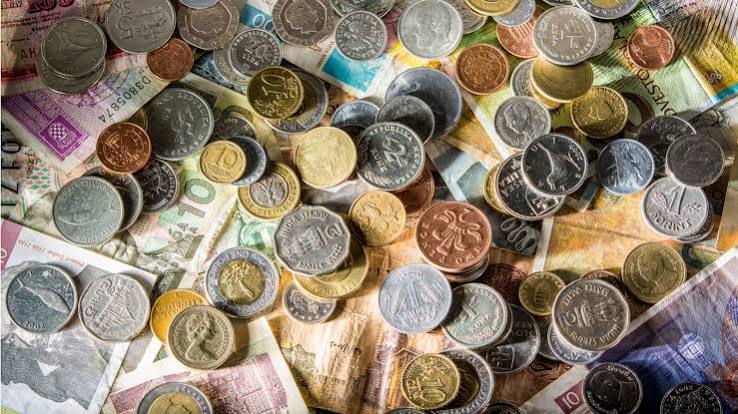
So perhaps the biggest change came when metal began to be molded into a specific shape and weight. This would have reduced the need to weigh the metal piece by piece each time, and a major change appears in Lydia in western Anatolia around 650 BC. Standardized coins made of electrum are seen here. That is, the value of metal was given a definite form. Now the need to determine the value of metal by cutting and weighing it in every small transaction can be reduced.
But the coin was not just a piece of metal. The official stamp on it also revealed its identity. This change that started in Lydia was not limited to that only. Gradually the use of coins started spreading to other areas also. Now traders could identify a piece of metal not just by its weight, but by its specific shape. By the sixth and fifth centuries BC, individual cities in the Greek world were issuing their own coins.
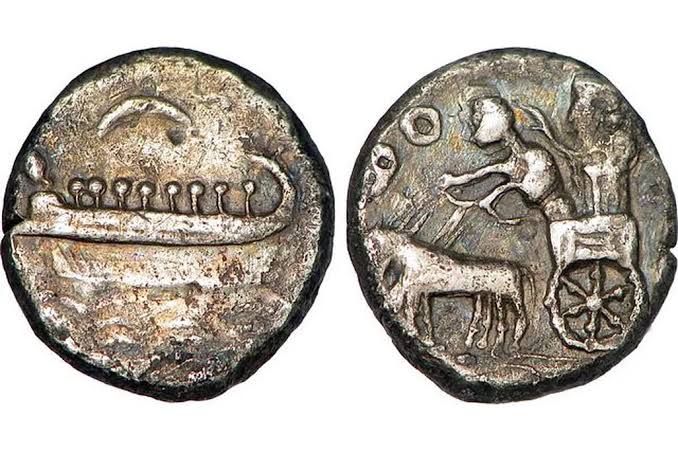
Symbols and images related to the city or state started appearing on these coins. Due to this, coin is no longer just a means of payment. It also started becoming a symbol of power and identity. At the same time, methods of standardizing exchange and value were also being developed in the Indian subcontinent. An important form of early coins in India were punch marked coins. Different symbols were made on these coins by punching them. That's why they are called punchmark coins.
They started being used in trade and various economic transactions. Later, the Mauryan period also saw widespread use of punchmark coins. That means the story of coins in India did not start on a single day. Rather it developed gradually. As larger kingdoms and long-distance trade networks were formed, the usefulness of coins also increased. Now traders could go to distant markets with goods that others recognized as having value.
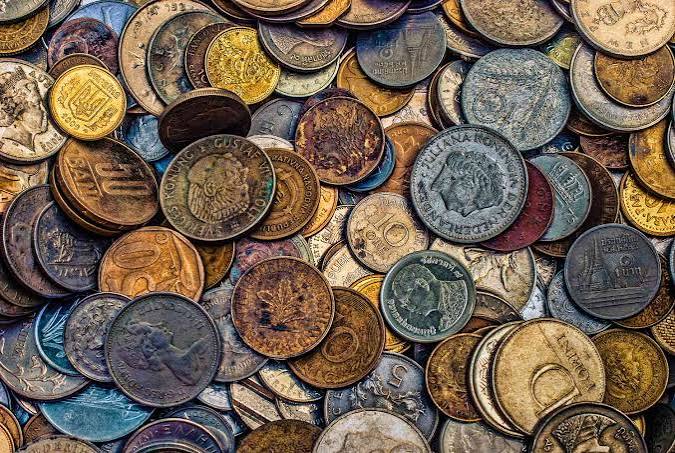
But coins did not mean that the same coin was in circulation everywhere. Different states and territories had their own currencies. After the Maurya Empire, different kingdoms and regional powers started emerging in India. Now the coins used in each region and their symbols also started appearing different (music). Then the influence of Indo-Greek rulers is visible in north-west India. And the shape of the coins also starts changing.
Portraits and inscriptions of rulers began to appear on these coins, which were quite different from the earlier punchmark tradition. Now by looking at the coin it could also be found out which ruler or authority had issued it. A few centuries later, during the time of the Kushan rulers, coins appear in even more elaborate form. Along with rulers, various religious figures and symbols also appear on Kushan coins. With these coins, India's trade also got connected to different areas and distant trade routes.
Then comes the Gupta period which is given special importance in the history of Indian coinage. The Gupta rulers issued a large number of gold coins bearing different royal images. By looking at these coins, we get information not only about the economy of that time but also about the image and culture of the rulers. Not every coin was gold. Coins of copper, silver and other metals were also used for different needs. Till now money was not a thing of just one city.
Its use had increased in different kingdoms and trade networks. But the story of money in India was still very long. In the times to come, coinage was about to enter a completely new phase. Time moved forward and with the emergence of new kingdoms and sultanates in India, the form of coins also changed. Now coins had become important not only in local markets but also in major political and business areas.
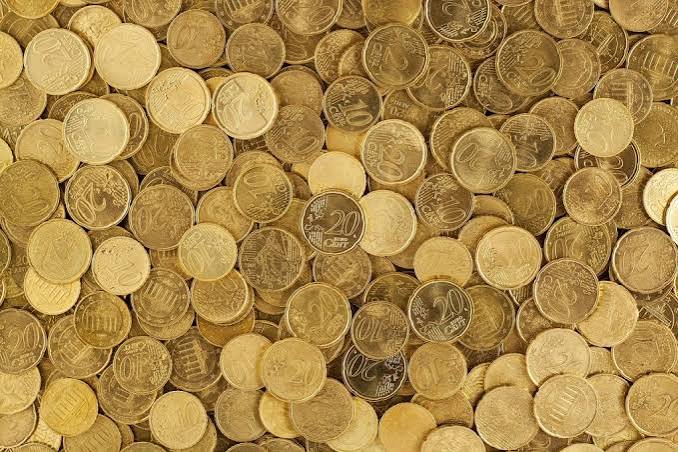
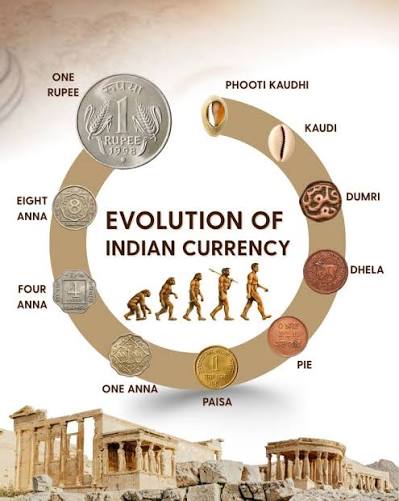
But different coins and their different weights again brought to the fore the need for standardization in trade. Then in the 16th century, during the time of Sher Shah Suri, an important change was seen in coins. Sher Shah Suri standardized the silver coin called Rupee and which had a long lasting influence. This rupee later became a very important part of Indian monetary history.
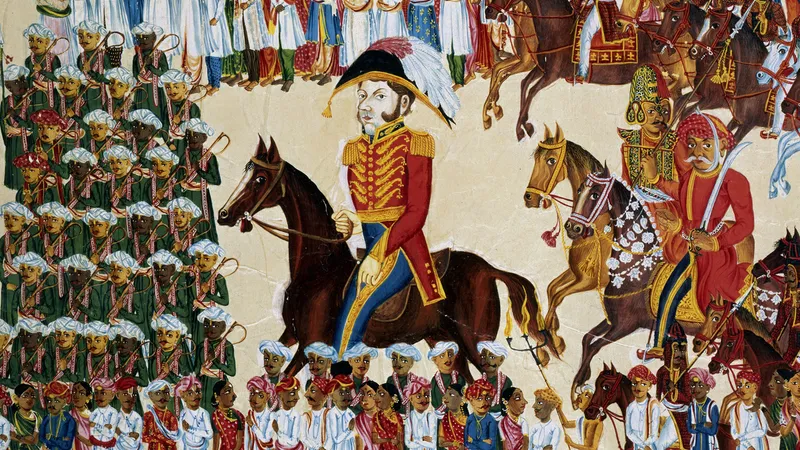
After this, India's coining system became more organized and widespread during the Mughal period. Coins of different metals like gold, silver and copper were used for different economic needs. During this period, European trading companies also started entering India's trade rapidly. With time the economic and political power of the British East India Company increased in India. And now Money's story was reaching a new turn. The era of paper currency was about to begin along with coins because it was not easy to carry large quantities of silver and gold for every major payment.
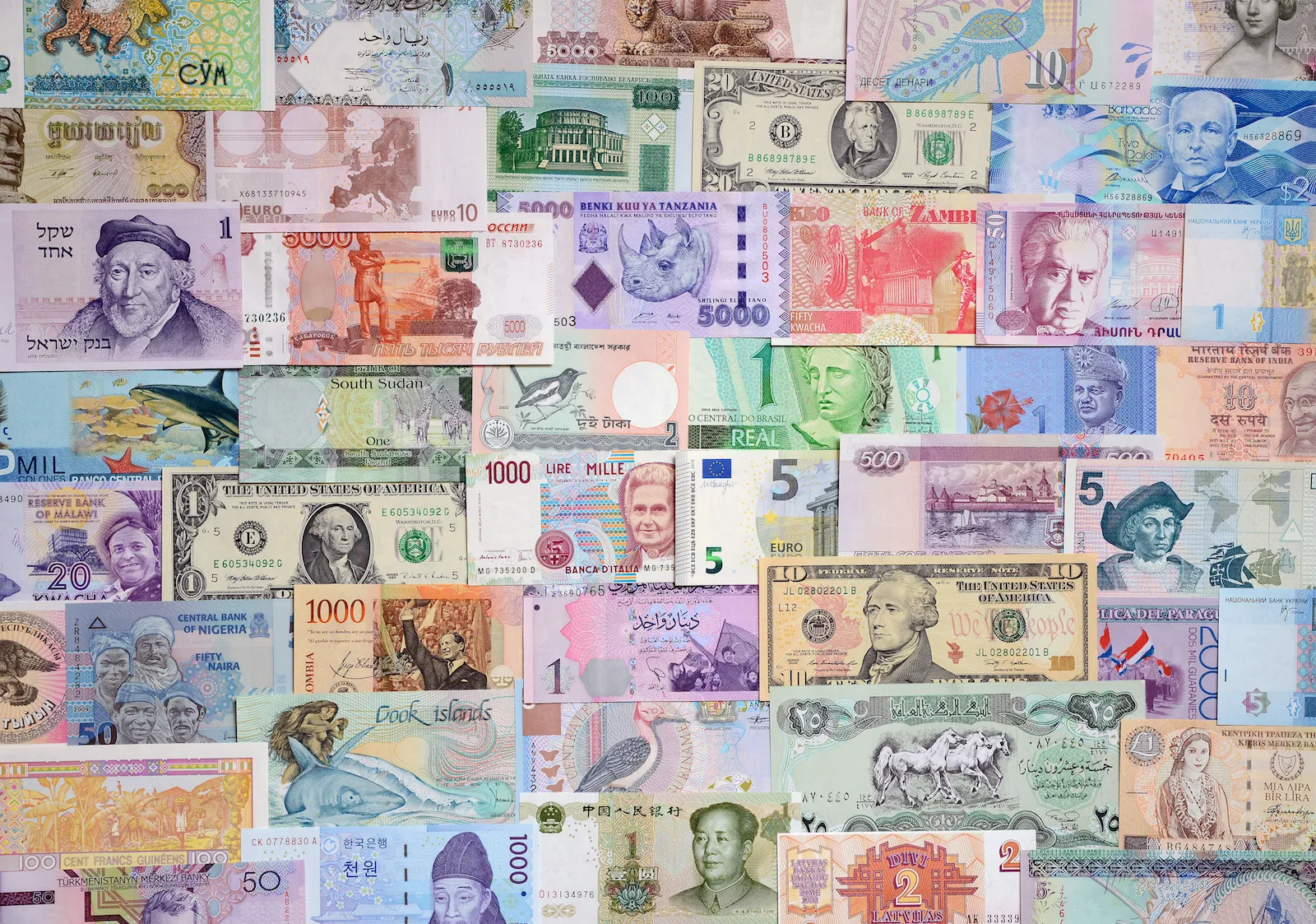
Paper began to represent value in a form that was easy to carry around for large sums of money. But it was not easy to make people trust paper money. After all, how will the price of a paper be decided? In the beginning it was not easy to accept paper money. Because its real value was not in the paper but in the trust placed in it. That is why the role of banks and financial institutions started increasing which handled the system of payments and money.
Some big banking institutions were formed in India during the British rule. Who had an important role in the commercial and financial system. Financial transactions related to big businessmen, companies and government were managed through these institutions. As the banking network expanded, the use of paper notes and financial documents also became more visible. But a major problem remained. Notes from different institutions and authorities did not enjoy equal trust everywhere.
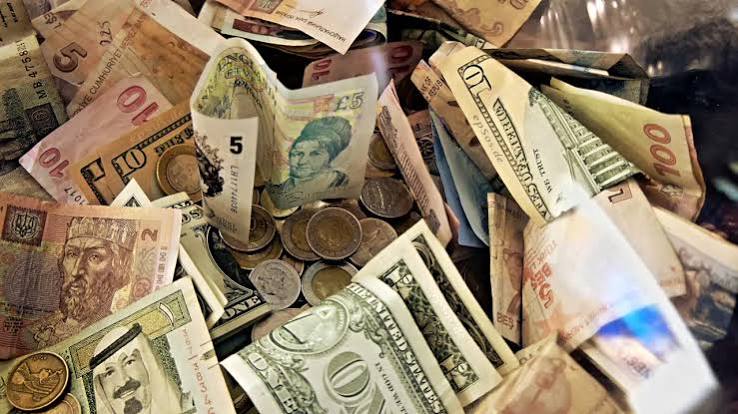
Therefore gradually the need for a more centralized and standardized monetary system began to be felt. After the Paper Currency Act of 1861, the British Indian Government established its monopoly on issuing paper currency. Now paper notes were being made part of an official government monetary system. By the beginning of the 20th century, banking and currency systems had become more important in the Indian economy.
But India needed a central institution that could handle the entire monetary system together and finally in 1935 the Reserve Bank of India started functioning. Now there was a central authority for the currency and monetary policy of India. But India's money story was not over yet. After a few years, the country was about to become independent and the currency was also about to enter a new phase.
India became independent in 1947 and now the country had to advance its economic system in its own way. Initially, the old currency system continued to be used in independent India. But gradually my identity also started forming. After independence, India also started introducing new symbols and national identity in its coins. And after becoming a republic in 1950, the identity of national symbols on Indian currency became more clear.
Then in 1957, India adopted the decimal system which divided ₹1 into smaller units. That is, now money started being counted in a system which was easier to understand and calculate. With time, the country's history, culture and national symbols also started appearing on Indian bank notes. Then banking saw another major change. It is no longer necessary for people to go to the bank counter every time to withdraw cash. ATMs made cash accessible to people even outside bank opening hours.
After this, debit and credit cards took payment a little further away from cash. Then the Internet and computers brought banking to homes and offices. But the real revolution came when smartphones brought both computers and banks into people's pockets. Digital payments took another leap in India. When UPI made it easy to make payment directly from bank account. Now it has become possible to make payment without cash even at the smallest shop.
Today we have all three options – cash, cards and digital payments. But in this entire journey of thousands of years, one thing has not changed. The biggest power of money is people's trust. Because money is not just a coin, note or digital number. It is a system that people collectively accept to exchange value. And the way money has changed itself over the last thousands of years. Its form may change in future also.
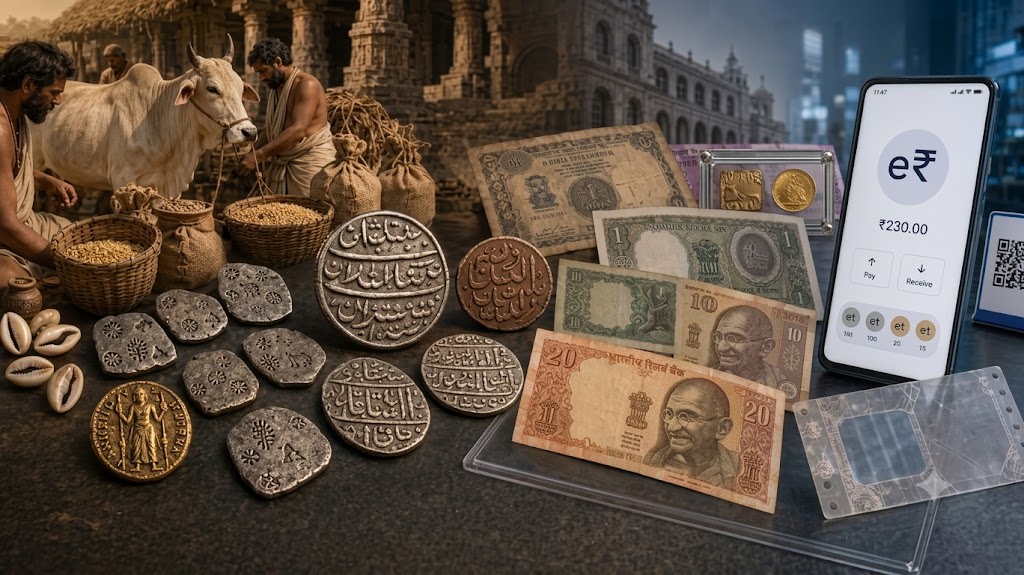
Imagine, the journey which started thousands of years ago with small pieces of metal, has today reached the smartphone screen. The history of money is actually a part of the history of human civilization. Technology changed, trade changed, banking changed and money also changed with it. Today money is connected to almost every part of our life. From shopping to savings and investment. It is possible that the use of physical cash may further reduce in the future.
But the need to exchange value will remain. But to understand this whole story we have to go back to the same initial question. After all, why was there a need for money? Because in the Better System it was necessary to find a person every time who wants your thing and who has the thing you want.
And perhaps this was the reason why humans discovered ways to convert value into a common medium and this is where the real story of money begins. Please leave a lovely comment. Thank you.