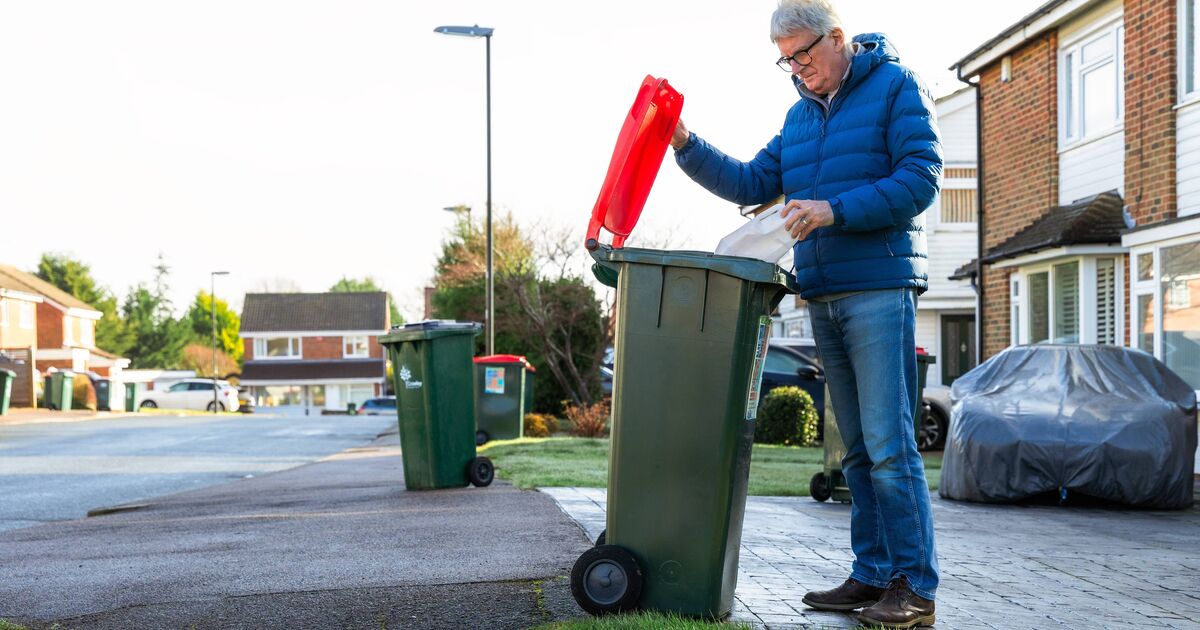
Neighbours keep putting rubbish in your bin? Experts share what you should do (Image: coldsnowstorm via Getty Images)
There’s nothing worse than opening your wheelie bin on bin day only to find your neighbour has dumped a load of their rubbish in there. How often your general waste is collected depends on your local council. However, for most people in the UK, household waste, often referred to as the ‘black bin’, is collected once a fortnight, which means you need to get two weeks’ worth of rubbish stuffed inside.
So when someone else starts dumping rubbish in there, it can be really frustrating, especially if it leaves you with too little space for your own household waste. Neighbours dumping their rubbish in your bin can be even more aggravating if they’re putting the wrong items in there. For example, some years ago, I had a neighbour dumping household waste in my recycling bin.
I didn’t realise until it was too late, and the binmen refused to take my recycling, meaning I had to wait another two weeks for it to be collected. I then had to remove the rubbish myself, put it in the correct bin and wait until I heard the rumble of the bin lorry before putting my bin out.
With increasingly strict rules about what can and cannot go in certain bins in the UK, tensions can quickly escalate between neighbours over bin disputes.
I consulted three experts about what to do if a neighbour puts their rubbish in your bin, and what steps to take if it happens regularly.
Jack Malnick, founder and managing director at Sell House Fast, said arguments over bins are a common theme in neighbour disputes. However, a neighbour regularly placing rubbish and other items in your bin without your consent can be stressful, especially if it contaminates it.
Mr Malnick recommends approaching your neighbour calmly and explaining why you don’t want them to use your bin.
He said: “Whether it’s where bins are left on the pavement, or their cleanliness, arguments over bins are a common theme in neighbour disputes. But having a neighbour regularly put rubbish or other items in your bin without permission can be particularly stressful, especially if it leaves you without enough space for your own waste or causes your bin to be contaminated, or even refused during collection.
I consulted three experts about what to do if a neighbour puts their rubbish in your bin (Image: georgeclerk via Getty Images)
“This behaviour can be considered a form of anti-social behaviour and is often referred to in the waste industry as ‘bin stuffing’. Whilst there is no official law for this offence, it is generally just a domestic issue solved through conversation. Waste experts do warn, however, that putting rubbish into someone else’s bin without permission can amount to fly-tipping. It is also the case that putting bins out on the wrong day can actually be defined as fly-tipping as well.
“Under UK waste laws, fly-tipping is a criminal offence, and local authorities can issue fixed penalty notices for certain offences. Fines can range from around £150 to £400 for lower-level cases, depending on the circumstances and the local authority, while more serious fly-tipping offences can result in substantially higher penalties.
“On the Government website, it says: ‘Fly-tipping is illegal dumping of household, commercial or industrial waste on a small scale, for example: several bin bags of rubbish, 1 or 2 pieces of furniture, small commercial waste loads, garden waste, and small amounts of hazardous waste, such as a drum of industrial waste or a sheet of asbestos. You can report small-scale fly-tipping by contacting the environmental health team at your local council.’
“For homeowners dealing with this issue, the best approach is usually to avoid an immediate confrontation and to approach with a calm attitude. If you feel comfortable doing so, speak to your neighbour politely and explain that you do not want them using your bin. If the behaviour continues, put your request in writing and keep a record of dates, times, what happened, and what items are being put into your bin. Taking photos or video evidence can also help if you need to make a complaint.
“If the problem continues and causes your bin to be contaminated, or results in missed collections, homeowners can contact their local council for advice and to report the issue. They may get the environmental agency involved, but this is unlikely as they deal with large-scale, commercial, or industrial environmental crime rather than domestic wheelie bins.

When someone else starts dumping rubbish in your bin, it can be really frustrating (Image: Nickbeer via Getty Images)
“The key is to deal with the problem early, before what may seem like a minor bin dispute develops into a wider neighbour conflict.”
Robin Edwards, a buying agent at Curetons Property Finders, agreed that it’s best to address the problem with a polite conversation. However, he said, if the problem persists and you’re unable to fit your own rubbish in the bin, he suggests keeping a record of incidents, taking photos and then approaching your local council.
He said: “If a neighbour occasionally puts a small item in your bin, it is probably something best dealt with through a polite conversation. However, if they are repeatedly filling your bin, leaving you unable to dispose of your own rubbish or putting prohibited items in it, I would treat that rather differently.
“The first step should be to speak to them or leave a polite note making clear that the bin is allocated to your property and asking them not to use it. If it continues, I would start keeping a record of incidents and, where appropriate, photographs.

Putting a small amount of rubbish in a neighbour’s bin is unlikely, by itself, to become a legal dispute (Image: Miravision via Getty Images)
“You can then raise it with the local council, particularly if the behaviour is persistent or is creating a wider waste problem or nuisance. While Government guidance recognises that bin disputes usually fall into the broader category of neighbourhood issues, deliberate unlawful dumping of waste can potentially become a waste enforcement matter depending on the circumstances.
“For flats or managed developments, I would also involve the managing agent, freeholder or housing association fairly early, as they may be able to resolve an allocated bin dispute much more quickly than any sort of formal legal action.
”In most cases, I certainly wouldn’t start by threatening court proceedings. A calm written request, followed by the council or managing agent if necessary, is normally the most proportionate route.”
Property law solicitor Manjinder Kaur Atwal also suggested approaching neighbours politely or writing a note, but agreed that if the pattern of behaviour continues, it’s best to keep a record and consider seeking legal advice.
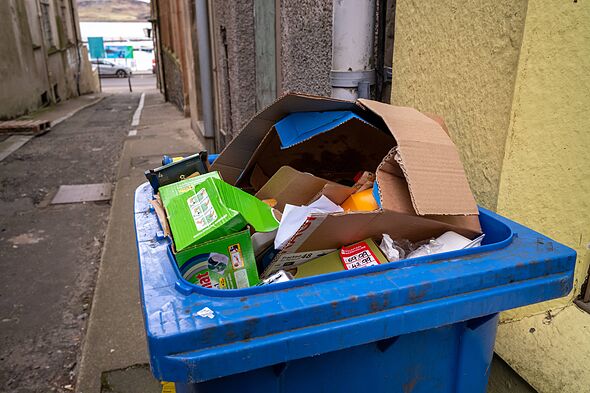
Tensions can quickly escalate between neighbours over bin disputes (Image: Peter Burnett via Getty Images)
She further explained: “Putting a small amount of rubbish in a neighbour’s bin is unlikely, by itself, to become a legal dispute. The situation changes if they repeatedly fill your bin, put inappropriate waste in it or cause problems with collection.
“The first step is to ask your neighbour to stop and, if it continues, put your concerns in writing. Check your council’s bin rules too, as these can vary and councils have powers to take action where waste disposal causes or is likely to cause a nuisance.
“If the behaviour continues despite your attempts to resolve it, particularly if it forms part of a wider pattern of nuisance or harassment, keep a record of what is happening and consider contacting the council or seeking legal advice.
“The sensible approach is to deal with the problem early rather than allowing a minor disagreement over rubbish to escalate into a much wider neighbour dispute.”