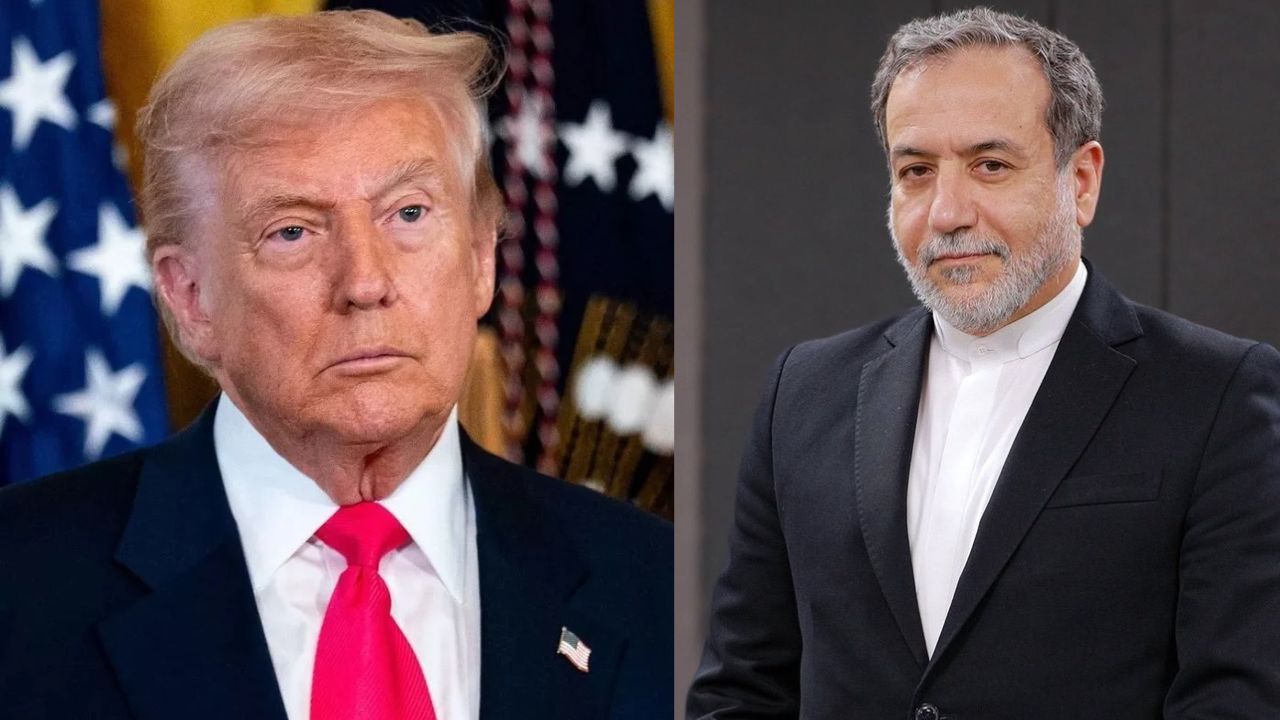
New York: Iran has made a major diplomatic push by proposing a seven-day roadmap aimed at reopening the strategically important Strait of Hormuz and bringing the United States back to the negotiating table amid escalating tensions in West Asia.
Iranian Foreign Minister Abbas Araghchi revealed that Tehran has submitted the proposal to Washington through intermediaries during discussions on the sidelines of the United Nations General Assembly in New York.
The plan reportedly seeks to create a pathway for reopening the crucial maritime route within seven days after certain conditions are fulfilled, followed by renewed talks on broader security issues and Iran's nuclear programme.
The proposal has attracted global attention as the Strait of Hormuz remains one of the world's most important energy corridors, with any disruption affecting oil supplies, shipping operations and global markets.
## Iran's Seven-Day Roadmap To Restart Diplomacy
According to Iranian officials, the latest initiative is based on the framework of an earlier understanding reached between Tehran and Washington in June, which attempted to reduce tensions but later collapsed.
Iran has suggested that once the proposal is accepted, a timeline could begin immediately, leading to the reopening of the Strait of Hormuz after seven days.
However, Tehran has not revealed the complete details of the roadmap, including the exact conditions expected from the US, monitoring arrangements and the future mechanism for managing shipping activities through the waterway.
The proposal comes at a time when both sides remain locked in a dispute over security concerns, sanctions, nuclear activities and regional influence.
## Strait Of Hormuz Becomes Key Focus
The Strait of Hormuz has emerged as the center of the latest diplomatic efforts because of its importance to the global energy supply chain.
The narrow waterway between Iran and Oman connects the Persian Gulf with the Gulf of Oman and serves as a major route for international oil and gas shipments.
Any restrictions on movement through the strait can create uncertainty in energy markets, increase transportation costs and impact fuel prices worldwide.
The reopening of Hormuz has therefore become a critical issue for countries dependent on stable energy supplies.
## US-Iran Talks Face Major Challenges
While Iran's proposal has opened a new diplomatic channel, several major challenges remain before any agreement can move forward.
The biggest issue continues to be Iran's nuclear programme.
Washington has demanded stronger safeguards and assurances regarding Tehran's nuclear activities, while Iran has maintained that its program is designed for peaceful purposes and has defended its right to civilian nuclear technology.
The two countries also differ over sanctions relief, military actions, security guarantees and the sequence of negotiations.
## Iran Links Diplomacy With Regional Security
Iran has maintained that meaningful negotiations require addressing broader security concerns and reducing military tensions in the region.
Foreign Minister Abbas Araghchi has said Tehran has communicated its conditions for advancing diplomacy and has highlighted the need for mutual commitments between the two sides.
Iranian officials have also criticized Western policies toward Tehran, arguing that pressure tactics and military actions have complicated diplomatic efforts.
## US Maintains Cautious Approach
The United States has acknowledged continued communication through diplomatic intermediaries but has indicated that it does not want to rush into an agreement.
American officials have maintained that any future arrangement must address wider concerns, particularly related to Iran's nuclear activities and regional security.
Washington has also focused on maintaining influence over developments around the Strait of Hormuz, a route considered vital for international trade and energy transportation.
## June Understanding Failed Over Key Differences
The latest proposal follows an earlier June understanding between Iran and the US that briefly created hope for reducing tensions.
The arrangement included measures aimed at lowering military confrontation, improving maritime movement and opening space for future negotiations.
However, disagreements over shipping routes, sanctions, nuclear issues and security commitments prevented the understanding from developing into a long-term settlement.
The new seven-day roadmap appears to revisit some elements of that earlier diplomatic approach while introducing a fresh timeline.
## Global Energy Markets Watch Iran's Move
The development has increased attention among global energy markets and international observers.
A stable Strait of Hormuz is considered essential for uninterrupted oil and gas transportation, making the outcome of Iran-US discussions economically significant.
Any progress in reopening the route could influence energy prices and reduce uncertainty for shipping companies and global businesses.
## UN General Assembly Becomes Diplomatic Stage
The announcement came during intense diplomatic activity at the United Nations General Assembly, where world leaders discussed conflicts, security challenges and international cooperation.
The UN platform has provided an opportunity for Iran and other countries to present their positions on regional tensions and possible diplomatic solutions.
The latest proposal has added another layer to ongoing efforts aimed at preventing further escalation in West Asia.
## Political Timing Adds Another Dimension
The timing of Iran's proposal has also drawn attention due to the approaching US midterm elections.
Iran has indicated that reaching an agreement before the elections could be beneficial, though officials have said the final decision depends on Washington.
Energy prices, fuel costs and economic concerns remain important factors in the political environment surrounding the negotiations.
However, differences over nuclear issues and security arrangements continue to remain significant hurdles.
##What Happens Next
The next stage will depend on the response from Washington and whether both sides can agree on the conditions required to begin the proposed timeline.
Diplomatic communication through intermediaries is expected to continue as Iran and the US assess possible areas of compromise.
The reopening of the Strait of Hormuz and the future of nuclear negotiations will determine whether Iran's seven-day roadmap becomes a turning point or another stalled diplomatic effort.