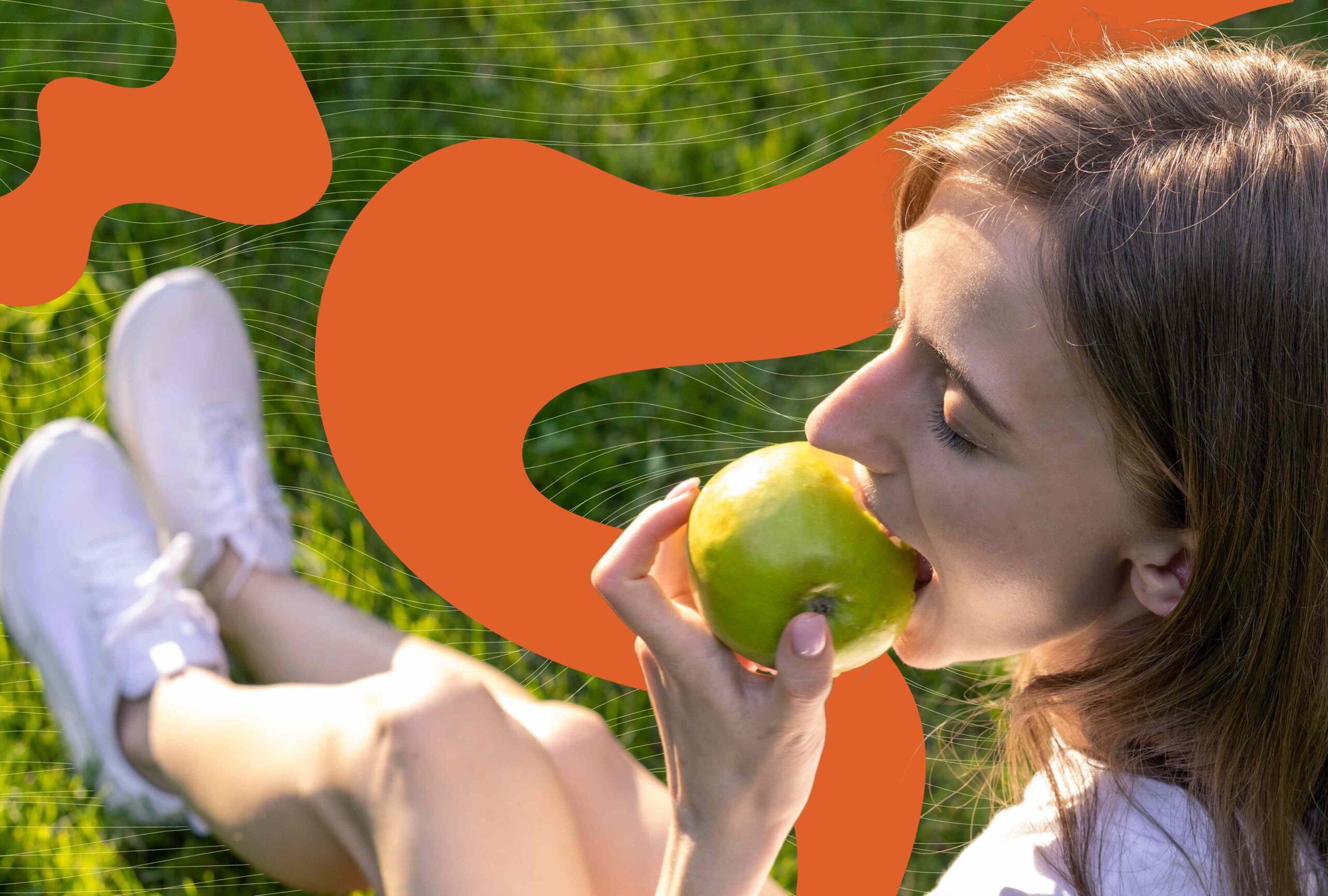
These fruits peak in the fall, but they’re great for your digestion all year round.
Reviewed by Dietitian Jessica Ball, M.S., RD
Key Points
- Apples, pears and berries are high in fiber and antioxidants, supporting gut health and digestion.
- Eating fruit with the skin on maximizes fiber and nutrient intake for better digestive benefits.
- Frozen fruits are a budget-friendly, year-round option for fiber and antioxidant-rich snacks.
From apples to pears to persimmons, fall is a great time for fruit lovers. As the weather cools, it’s the perfect time to enjoy seasonal produce as it peaks—whether you’re baking them into warm desserts or enjoying them as a quick snack.
Not only are these seasonal fruits especially delicious during this time of year, they also bring a variety of gut-health benefits to the table. With plenty of dietary fiber, antioxidants and other nutrients that can help improve your digestion, these fruits are definitely worth stocking up on this season.
1. Apples
Apples are the signature autumnal fruit. From ruby-red Honeycrisp to tart Granny Smiths, there are so many ways to enjoy all of the several varieties that peak from mid-September to mid-October. You can fold them into spiced desserts or nestle them into sandwiches, or simply toss one into your bag for a mid-day snack.
Apples are not only versatile and delicious, they’re also great for your gut. “One apple contains about 4 grams of fiber to help you stay satisfied and keep things regular,” said Lisa Valente, M.S., RD. “They also have phenolic compounds that may improve digestion in the stomach and small intestine.”
If you want to maximize the benefits of eating apples, make sure to leave the skin on. Unpeeled apples have a much higher concentration of dietary fiber and antioxidants than their peeled counterparts.
2. Pears
While less famous than the autumn apple, pears deserve just as much credit for both their taste and their nutritional value. The pome fruit is delicious in fall cakes, tarts and pastries, but they’re also perfectly ripe during this time of year, meaning they’re soft and juicy enough to enjoy them as-is. And they come bearing benefits.
“While the skin provides soluble (indigestible) fiber, the flesh contains a type of soluble fiber called pectin that forms a gel-like substance in the gut, helping to provide more bulk to stool,” said Mandy Enright, M.S., RDN, RYT. “It also serves as a prebiotic to help feed the good gut bacteria. Pears are also considered to have a natural laxative effect due to the combination of fructose, sorbitol and fiber found in the fruit.”
One medium pear has about 6 grams of fiber, so they’re a great option for snacking or dessert if you need to up your daily intake before the end of the day.
3. Berries
The perfect addition to smoothies, yogurt bowls or seasonal desserts, berries are super easy to integrate into your eating pattern. If you need another reason to add them into your routine this fall, berries are also great for your digestive system. Not only do blackberries and raspberries peak in the fall, they also offer a whopping 8 grams of fiber per cup.
“Even the seeds found in these fruits contain insoluble fiber to help support movement through the gut,” said Enright. “The high polyphenol content of berries has been shown to help reduce inflammation in the gut.”
Other Tips for Healthy Digestion
These fruits are clearly some great ways to get some extra gut-healthy nutrients into your daily routine, but here are some other simple habits that can help support your digestion.
Stay Hydrated
It really is a tale as old as time, but drinking enough water is one of the best things you can do for your overall health. Hydration levels in your body have a big impact on many different functions in your body, including your gut health and digestion.
“Make sure to stay hydrated, especially when eating high-fiber foods to help prevent constipation,” said Enright. There are plenty of festive or cozy ways to do so, too. “While water is a great way to stay hydrated, this time of year enjoying hot beverages like green tea or even sipping on bone broth can be equally beneficial for hydration and gut health.”
Don’t Forget Your Freezer
Just because we’ve highlighted some of the fresh fruit that you should grab this season doesn’t mean that you should overlook frozen fruit.
“While fall includes plenty of seasonal fruits, some favorites start to dwindle, like raspberries and blueberries,” said Valente. “I lean on frozen fruits to get all the antioxidant and fiber benefits, while saving some money and being able to keep them on hand easily. The same goes for frozen vegetables.”
Frozen fruits and veggies are often frozen at the peak of their freshness, so buying frozen fruit or freezing it yourself is a great way to enjoy these healthy foods all year round.
Take a Walk
Sometimes the key to improving constipation and regularity is to get things moving—literally. “Walking has tons of benefits—it can support healthy blood sugar and mood—but it also may improve digestion,” said Valente. “Taking a walk after meals can help ease symptoms of constipation and improve gut microbiome health.”
Take advantage of the changing leaves and cooler weather to enjoy the outdoors. Not to mention, walking is a great habit for your mental health as well.
Our Expert Take
Improving your digestion may feel like a challenging task, but taking small steps towards your goal can be as simple as enjoying the delicious fruits that are currently in season. Apples, pears and berries are not only high in fiber, they’re packed with plenty of vitamins, antioxidants and other nutrients that can help support regularity and improve your overall gut health. So make sure to make a trip to your local grocery store or farmers market to pick up these produce picks—your gut will thank you.