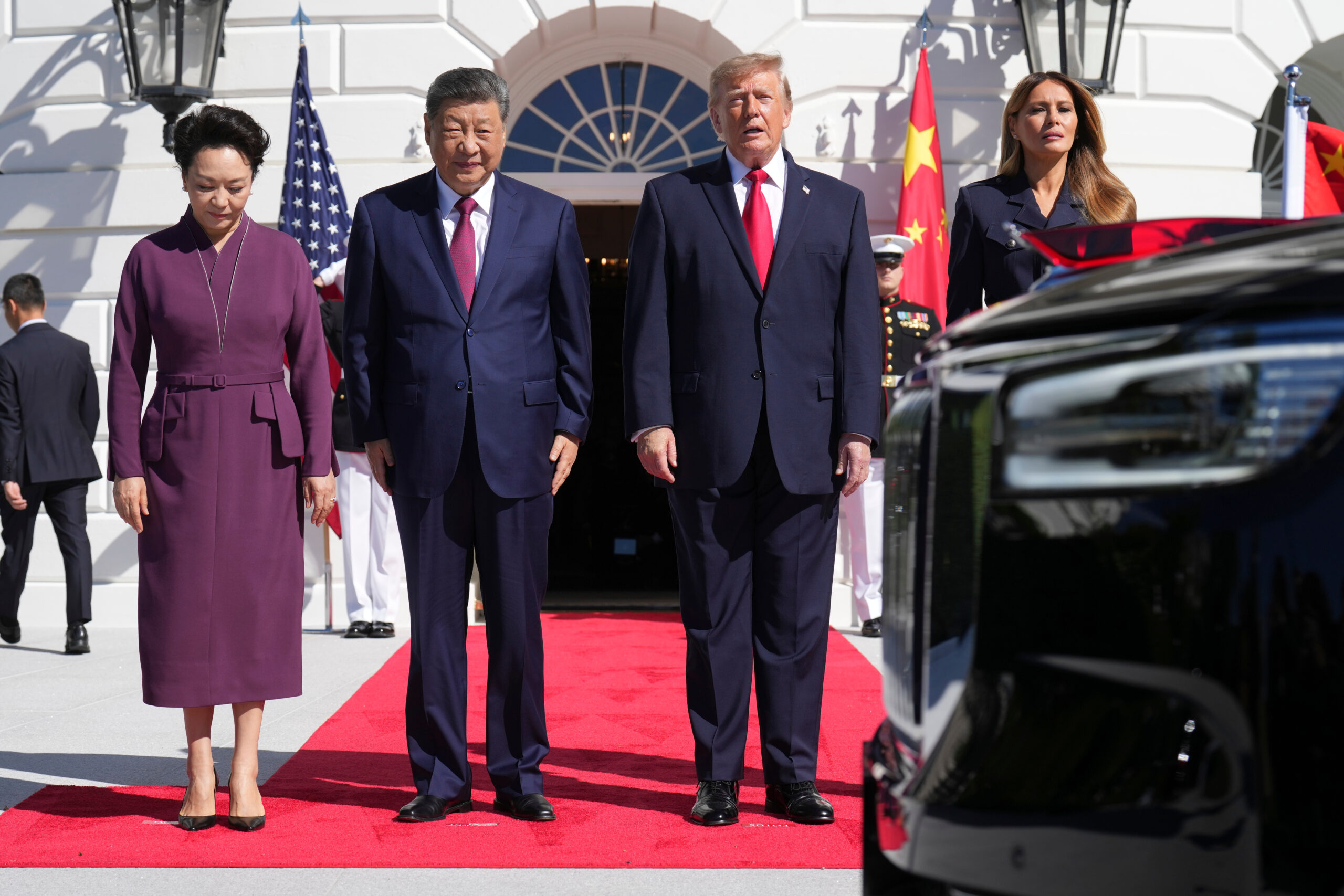
US and China Reach $30 Billion Tariff Deal After Trump-Xi Summit/ TezzBuzz/ WASHINGTON/ J. Mansour/ The United States and China agreed to reduce tariffs on approximately $30 billion in non-sensitive goods following the Trump-Xi summit. China will lower duties on agricultural, seafood and medical products, while the U.S. will cut tariffs on toys, appliances and children’s car seats. Beijing also committed to purchasing 10 million metric tons of American coal annually in 2027 and 2028, although rare-earth disputes remain unresolved.
Quick Look
- The tariff agreement covers approximately $30 billion in goods.
- The products are classified as non-sensitive.
- China will reduce tariffs on agricultural goods and seafood.
- Beijing will also cut duties on wood products, cosmetics and medical devices.
- The U.S. will lower tariffs on toys and small appliances.
- Holiday decorations and children’s car seats are also included.
- China agreed to purchase 10 million metric tons of U.S. coal in 2027.
- Beijing committed to the same coal volume in 2028.
- Rare-earth supply issues remain unresolved.
- The deal represents a partial easing of the US-China trade war.
Deep Look
US and China announce $30 billion tariff deal
WASHINGTON — The United States and China have reached an agreement to reduce tariffs on approximately $30 billion in non-sensitive goods following the Washington summit between President Donald Trump and Chinese President Xi Jinping.
The White House announced the agreement as part of a broader trade package negotiated during Xi’s three-day state visit.
The deal marks a notable easing of the trade conflict that intensified between the world’s two largest economies last year.
Although it covers only a fraction of bilateral commerce, the agreement could reduce costs for American consumers and exporters.
Agreement focuses on non-sensitive products
The tariff reductions apply primarily to goods that do not raise major national-security concerns.
That distinction allows Washington and Beijing to ease trade barriers without relaxing restrictions on advanced semiconductors, artificial intelligence technology, weapons-related materials or other strategically important products.
Both governments can present the arrangement as an economic benefit while maintaining broader controls designed to protect domestic industries and national security.
China lowers tariffs on US agricultural products
According to the Trump administration, China will reduce tariffs on selected American agricultural goods.
The agreement could make U.S. farm products more competitive in the Chinese market and improve export opportunities for American producers.
Agriculture has frequently become a target during U.S.-China trade disputes because farmers depend heavily on overseas markets.
Chinese retaliatory tariffs previously harmed American producers of soybeans, meat, grains and other commodities.
Seafood and wood products included
China will also lower duties on American seafood and wood products.
Reduced seafood tariffs could benefit fishing communities and processors that lost access to Chinese buyers during the trade war.
Lower duties on wood products may help U.S. forestry companies, lumber producers and manufacturers compete more effectively in China.
The administration did not immediately provide a detailed product list or explain the exact tariff reductions for each category.
Cosmetics and medical devices gain access
The Chinese tariff cuts will include certain American cosmetics and medical devices.
The changes could help U.S. companies expand sales to China’s large consumer and healthcare markets.
Medical-device manufacturers have faced a combination of tariffs, local competition and regulatory barriers when attempting to enter China.
Cosmetics companies could also benefit from lower import costs and growing demand from Chinese consumers.
US cuts tariffs on household goods
The United States will reduce tariffs on several categories of Chinese consumer products.
Those include small appliances, toys, holiday decorations and children’s car seats.
These products are commonly purchased by American households and retailers, making them especially sensitive to inflation.
Lower import taxes could reduce wholesale costs, though the extent to which companies pass those savings to consumers remains uncertain.
Deal could ease consumer prices
Tariffs function as taxes on imported products and are generally paid by importing companies.
Businesses often transfer at least part of those costs to customers through higher retail prices.
Reducing tariffs may therefore lower prices or slow future increases on included products.
The agreement comes as American consumers remain concerned about inflation and the rising costs of fuel, food, housing and healthcare.
China commits to major US coal purchases
The White House said China also agreed to import 10 million metric tons of American coal in 2027.
Beijing committed to purchasing another 10 million metric tons in 2028.
The agreement could benefit U.S. mining companies, railroads and port operators involved in coal exports.
It may also help reduce the trade imbalance by increasing the value of American goods sold to China.
China sharply reduced coal imports during trade war
China previously ranked among the five largest importers of U.S. coal.
It sharply reduced those purchases in 2025 as the trade dispute intensified.
The new commitment would restore a significant portion of that trade and provide greater certainty for American producers.
However, the agreement’s value will depend on whether China fulfills the promised purchases during both years.
Previous trade deals have faced criticism when agreed buying targets were not fully met.
Rare-earth dispute remains unresolved
The White House provided fewer details about rare-earth minerals, which remain among the most consequential issues in the bilateral trade relationship.
China dominates global processing of rare earths and other critical minerals used in electronics, electric vehicles, renewable-energy equipment and defense systems.
Beijing imposed export controls on the materials after the United States increased tariffs on Chinese goods.
Those restrictions created supply shortages and highlighted American dependence on Chinese processing.
Governments continue rare-earth talks
The White House said negotiations over critical mineral supplies would continue.
“The United States and China continue to work on U.S. concerns regarding supply chain shortages related to rare earths and other critical minerals, with the goal of ensuring shipment levels return to appropriate levels,” the administration said.
The statement did not establish specific export volumes, deadlines or enforcement procedures.
As a result, businesses dependent on rare earths still face uncertainty about future shipments and prices.
Deal signals limited trade-war thaw
The tariff cuts do not end the broader U.S.-China trade conflict.
Major disputes remain over technology exports, rare earths, semiconductors, government subsidies, intellectual property and market access.
Nevertheless, the agreement demonstrates that Washington and Beijing can make incremental progress on less politically sensitive products.
It also gives Trump and Xi a concrete economic result from a summit that otherwise produced few major breakthroughs.
The leaders expect to meet again at the APEC summit in Shenzhen in November and at the G20 gathering in Florida in December.
Those meetings could provide opportunities to expand the tariff agreement or resolve additional supply-chain disputes.
More on US News