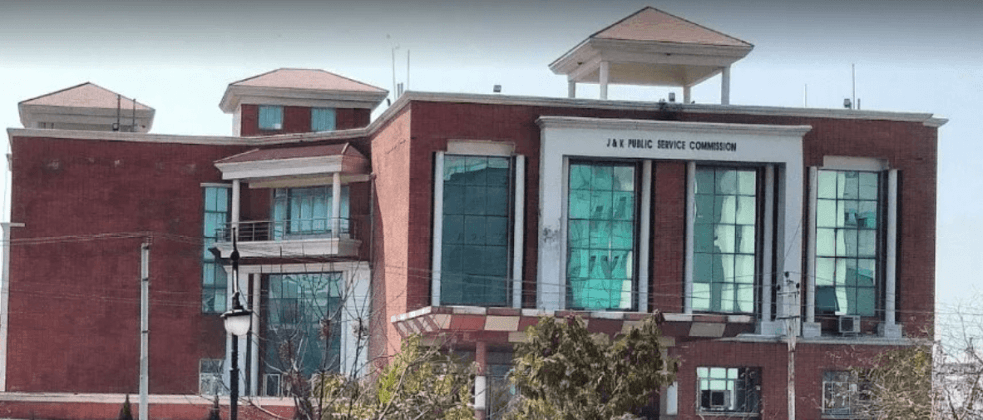
Two premier recruitment agencies of the Union Territory of Jammu and Kashmir have collected a staggering Rs 82.45 crore from the region’s educated unemployed youth in examination and application fees over the past 23 months, even as thousands of aspirants continue to wait for their results.
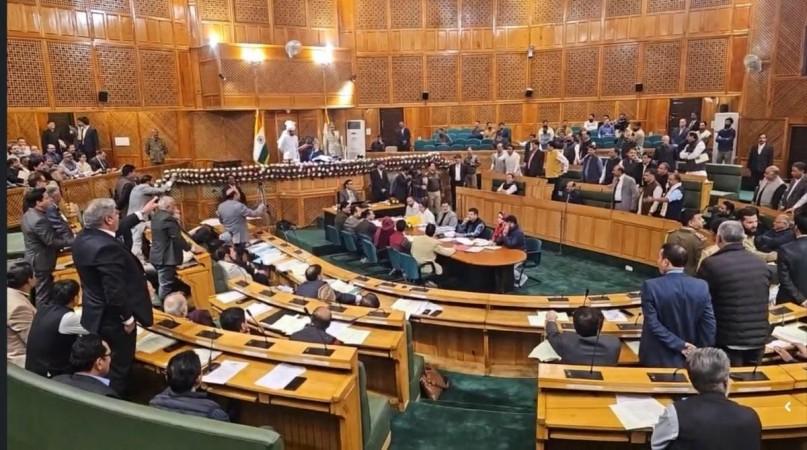
The eye-watering figure emerged from a written government reply tabled in the Legislative Assembly in response to a query raised by BJP MLA from Jammu East, Yudhvir Sethi, regarding fresh government appointments made in J&K since October 2024.
According to the reply, the Jammu and Kashmir Services Selection Board (JKSSB) alone collected Rs 67.44 crore (Rs 67,444,180) during the period, while the Jammu and Kashmir Public Service Commission (JKPSC) collected a further Rs 15.01 crore (Rs 15,009,900), taking the combined collections of the two agencies beyond the Rs 82-crore mark.
The scale of the collections stands in stark contrast to the pace of actual recruitment. Together, JKPSC and JKSSB advertised 12,241 government posts since October 2024 but have finalised selections for only 4,702 of them. This means lakhs of applicants across the Union Territory have paid fees and appeared for examinations but are still waiting for the recruitment process to conclude, while less than 40 per cent of the advertised vacancies have been filled.
JKSSB, which handles recruitment for Union Territory, divisional and district cadres, advertised the bulk of the posts—10,379 in all—and finalised 2,934 appointments, including 1,376 in the Jammu division and 1,558 in Kashmir.
JKPSC, which conducts recruitment for gazetted posts across various administrative departments, advertised 1,862 posts and finalised 1,768 selections. The government noted that JKPSC posts fall under the Union Territory cadre; therefore, division-wise data is neither required nor maintained. Selection processes for another 935 JKPSC posts are still underway, while 304 posts are set to be re-advertised and 20 fresh advertisements are in the pipeline.
When asked why the fees had not been waived despite the substantial sums collected from job-seekers, the government maintained that the charges merely offset the cost of conducting the recruitment process. These costs include application processing and scrutiny, examination logistics, hiring of examination centres and manpower, question paper preparation, security arrangements, IT infrastructure and evaluation of results. The government said the fees were “not a source of revenue or profit”.
Officials said fees are levied under the applicable rules, with concessions extended to specified categories wherever provisions permit. They also argued that the practice is in line with the fee structures followed by national recruiting bodies such as the Union Public Service Commission (UPSC) and the Staff Selection Commission (SSC).

According to the reply, the government has taken a series of measures to ensure that vacant posts are filled in a time-bound manner. These include timely identification and referral of vacancies to the recruiting agencies, adherence to the prescribed statutory framework, advance planning of recruitment cycles and close monitoring of recruitment timelines at various stages.
“Efforts have been made to streamline procedures, strengthen coordination with the recruiting agencies and leverage technology to expedite recruitment. Furthermore, the government has already issued directions to all departments for timely referral of vacancies falling under the direct quota to the recruiting agencies,” the government stated in its reply.