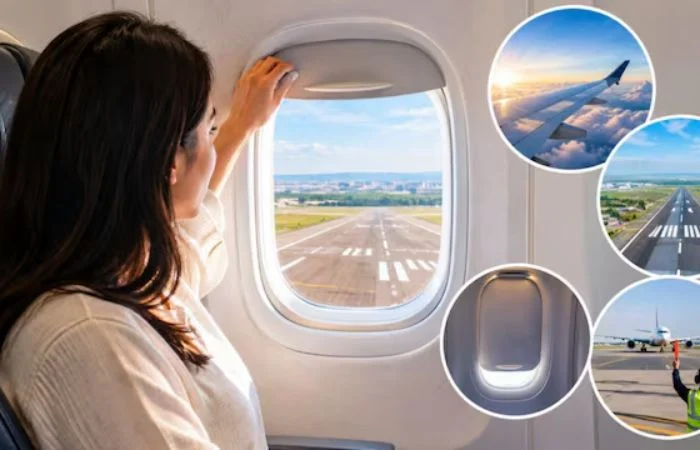
Why Are Airplane Window Shades Open During Takeoff and Landing? The Safety Reason Most Passengers Don’t Know
If you have ever taken a flight, you may have noticed a familiar instruction from the cabin crew: please keep your window shade open during takeoff and landing.
For many passengers, this can seem like a simple request designed to let people enjoy the view. But there is a much more practical reason behind it. Takeoff and landing are critical phases of a flight, and having a clear view through the windows can provide valuable information if something unexpected happens.
It Helps the Crew Spot Problems Outside
With the window shades open, cabin crew members can see what is happening outside the aircraft.
In the event of an unusual situation, they may be able to notice signs such as smoke, fire, unusual conditions around the aircraft or problems involving the wings or landing gear. EASA explains that open blinds allow crew to identify problems more quickly and alert the flight crew.
Passengers can also become additional sets of eyes. Someone sitting next to a window may notice something unusual outside and immediately alert a crew member.
It Can Help During an Emergency Evacuation
Another important reason involves visibility.
Imagine an emergency occurring during daylight or at night. If the cabin is relatively dark while the area outside is extremely bright—or the opposite—the sudden change in lighting can affect how quickly your eyes adjust.
Keeping the window shade open allows passengers’ eyes to become accustomed to the exterior lighting before an emergency occurs. EASA notes that this can improve visibility during a potential evacuation.
This is also why cabin lighting is sometimes dimmed before takeoff and landing. The goal is to help passengers and crew adapt to lower light levels in case an evacuation becomes necessary.
Takeoff and Landing Are Critical Phases
The instruction is particularly relevant during takeoff and landing because these are phases in which the aircraft is close to the ground and an emergency could require rapid action.
If an evacuation were necessary, crew members need to quickly assess which exits are safe to use. Having visibility of the outside environment can provide useful information when determining what is happening around the aircraft.
That does not mean passengers are expected to make their own evacuation decisions. The cabin crew’s instructions remain the priority.
It’s Not Just About Enjoying the View
So, the next time a flight attendant asks you to raise your window shade before takeoff or landing, remember that it isn’t simply a request to give passengers a better view of the runway.
It is part of a broader cabin-safety approach designed to improve situational awareness, visibility and preparedness during critical stages of flight.
A small window shade may look insignificant, but in an emergency, being able to see what is happening outside can provide important information when every second matters.
And that is why airlines take this seemingly minor instruction seriously.