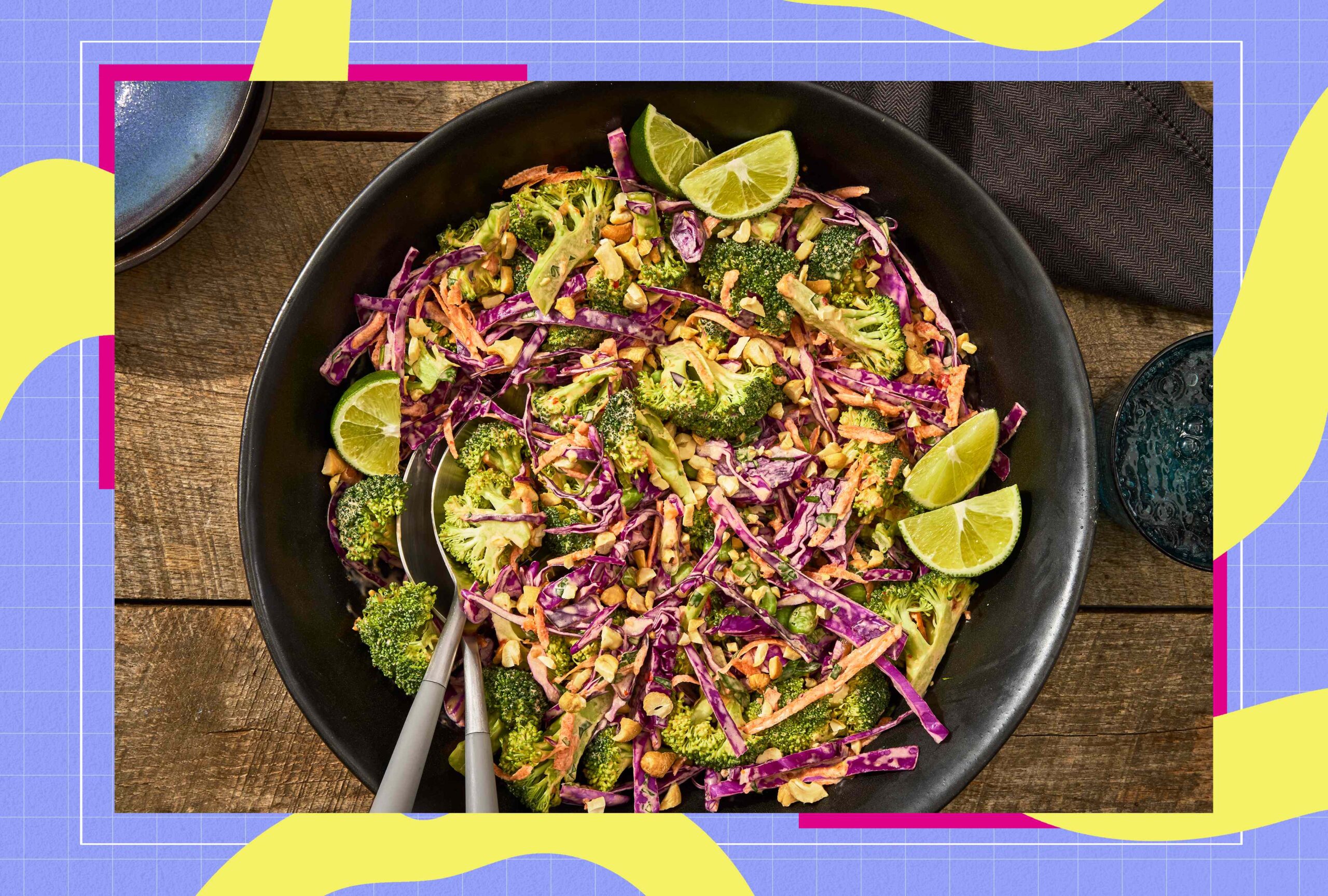
Don’t sleep on this cruciferous veggie.
Reviewed by Dietitian Jane Leverich, M.S., RDN
Key Points
- Broccoli provides fiber, vitamins and other plant compounds that may support healthy aging.
- Its sulforaphane and other antioxidants may help the body manage inflammation.
- Eating broccoli as part of a varied, plant-rich diet is one way to support overall health as you age.
Once upon a time, the prevailing theory held that long life was merely a matter of genes (and maybe a little bit of luck). If your grandparents and great-grandparents lived to a ripe old age, you probably would, too. Now we know that, while genetics make a big difference to longevity, so do many other factors, like diet. In fact, specific foods like vegetables bring to the table numerous nutrients linked with longer life.
The best of the bunch? Broccoli. “It provides fiber, vitamin C, carotenoids, flavonoids, phenolic acids and other beneficial plant compounds,” says Kelly Burgess, M.B.A., RD. She explains that these nutrients and compounds work together to feed beneficial gut bacteria and help the body manage inflammation, resisting the cell damage that accumulates with age. Here’s why, for longevity, broccoli is the star of the produce aisle.
Why Broccoli Is the Best Vegetable to Help You Live Longer
It Contains Antioxidants Linked with Longevity
All plant foods contain antioxidants, but broccoli and other cruciferous veggies are a unique bastion of one called sulforaphane. “This is broccoli’s most distinctive contribution [to longevity],” says Jennifer Pallian, B.Sc., RD. Sulforaphane activates a protein called Nrf2, which Pallian calls “the master switch” for cells’ antioxidant and detoxification defenses. With age, Nrf2 activity declines, while oxidative damage accumulates. Sulforaphane may help push back on these unwelcome developments.
Researchers have examined how the sulforaphane in broccoli sprout powder might reduce inflammation, for example. A randomized trial in adults with type 2 diabetes found that 10 grams of broccoli sprout powder daily lowered C-reactive protein, improved insulin resistance and reduced markers of oxidative stress. Pallian cautions that this doesn’t mean broccoli is a magic pill for longer life—but the results are promising.
Meanwhile, a host of other antioxidants lie beneath broccoli’s unassuming exterior. “Broccoli’s flavonoids include quercetin, kaempferol, rutin, catechin and epicatechin,” Burgess says. Broccoli also contains several phenolic acids and carotenoids, she says. Altogether, the veggie’s many antioxidant compounds help protect cells from damage and support the body’s ability to manage inflammation—two key factors in aging well.
It’s High in Fiber
Could fiber help you live longer? Believe it or not, yes! “Fiber intake is one of the most consistent dietary predictors of longevity we have,” says Pallian. She points to research that suggests that every additional 10 grams of fiber per day was associated with a 10% lower risk of all-cause mortality and a 13% lower risk of cardiovascular disease mortality. The explanation here: “Fiber feeds the gut microbiome, which produces anti-inflammatory short-chain fatty acids, and it slows glucose absorption, lowers LDL cholesterol and supports regularity.” Over time, these effects can compound for more candles on your birthday cake.
Broccoli may not be the highest-fiber veggie around, but its 2.4 grams per cup can certainly contribute to your daily goals. Each broccoli salad, stir-fry or soup is a vehicle for fiber not only from broccoli, but from other plant foods as well.
It’s Rich in Vitamins
The vitamins in each sturdy green stalk are another reason to love broccoli for longevity. Broccoli is a good source of vitamin C, vitamin K and vitamin B9 (folate), Burgess says. Each of these has a role to play in aging.
“Vitamin C helps the immune system work properly, is needed to make collagen and heal wounds, and protects cells from damage,” she explains. Vitamin K contributes to stronger bones—a major consideration as we age. And folate is essential for making and repairing DNA. “It also helps the body manage homocysteine, a substance that may affect heart and brain health when levels become too high,” Burgess says.
It Plays Well with Other Longevity-Friendly Foods
No single food—even one as nutritious as broccoli—will automatically make you live longer. But one bonus of broccoli is how well it pairs with other longevity-friendly choices. “The clearest message from human research is that broccoli supports healthy aging when it is part of a varied, plant-rich eating pattern that also includes beans, lentils, whole grains, nuts, seeds, fruits and other vegetables,” Burgess says.
Broccoli’s versatility means it can join these foods in salads, soups, casseroles, grain bowls and more. While its flavor is unique (you might even say strong), it’s not so potent as to overwhelm them.
Ways to Enjoy Broccoli
There’s a whole rainbow of ways to enjoy broccoli—and the preparation method matters more than you might realize. Check out these tips:
- Chop and wait. Broccoli’s sulforaphane content isn’t static. In one study, holding chopped broccoli for 90 minutes before stir-frying produced about 2.8 times more sulforaphane. Try a brief wait between chopping and cooking. “Half an hour is a reasonable compromise for a weeknight,” says Pallian.
- Roast with olive oil. Not only does roasting concentrate broccoli’s flavor, adding a fat like olive oil helps your body absorb vitamin K and beta-carotene.
- Cook quickly. For lightly cooked broccoli, Burgess says steaming or microwaving is generally better than prolonged boiling. Long stretches in hot water degrade vitamins, minerals and the enzyme needed to produce sulforaphane.
- Add a dollop of mustard. This isn’t just for flavor! Pallian says mustard contains an enzyme that helps restore sulforaphane in cooked broccoli. A study found that 1 gram of powdered brown mustard sprinkled on cooked broccoli raised sulforaphane bioavailability more than fourfold.
Other Strategies to Support Healthy Aging
To a major extent, increasing your lifespan and your health span—the number of years you live in good health—depends upon everyday habits. The following could keep you going strong to the finish.
- Build a whole-foods diet. Broccoli is just one option on a longevity-boosting diet. “Different plant foods offer distinct fibers, antioxidants, anti-inflammatory compounds, vitamins and minerals, so dietary variety matters,” Burgess says. She encourages creating meals around a wide variety of whole and minimally processed plant foods like vegetables, fruits, beans, lentils, soy, whole grains, nuts and seeds.
- Add years with zzz’s. Chronic sleep deprivation is linked with shorter life expectancy. Make sleep a priority for longevity by striving for seven to nine hours per night.
- Mind your muscles. As we age, muscle health becomes increasingly critical. A stronger frame can prevent falls and promote greater independence. Try to work up to strength training at least two days per week.
- Stay connected. “Regular contact with family, friends and community is a longevity intervention, not a nice-to-have,” says Pallian. According to the World Health Organization, social connection may help reduce the risk of early death. So go ahead and send the text, make the dinner reservation or host the party.
Our Expert Take
There’s no telling how many years each of us will get on Earth. But if you’re looking for a veggie that increases the odds of healthier lifespan, reach for broccoli. With antioxidants, fiber and vitamins galore, it’s a standout for supporting gut, immune and cell health. While it’s no magic pill for reaching a specific birthday—and it belongs in a broader, longevity-friendly diet pattern—we say rock the broc.