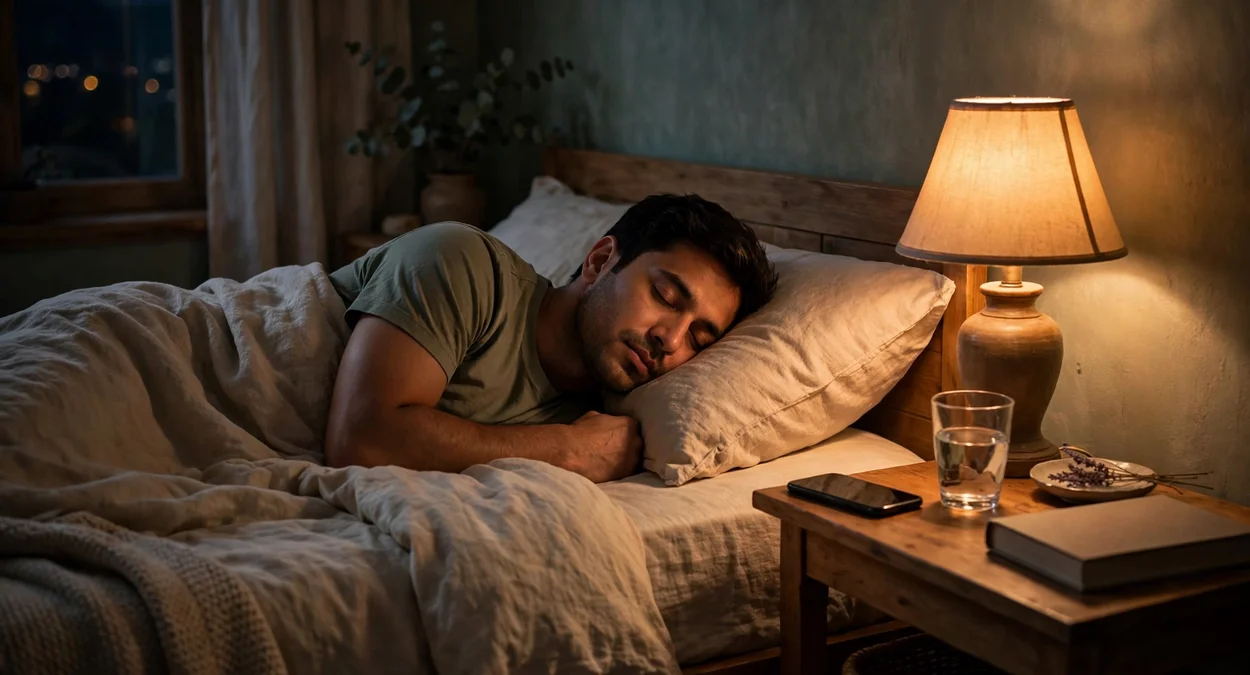
Scrolling through your phone even while lying in bed at night, then waking up tired in the morning – this has become the most common complaint today. Doctors say that for good sleep, sleeping only 7-8 hours is not enough, but the quality of sleep also matters. By adopting sleep hygiene tips you can dramatically improve the quality of your sleep.
Sleep hygiene means creating habits and environments that promote deep, uninterrupted sleep. This is not a medicine, but small changes in lifestyle, the effect of which becomes visible in a few days.
Sleep Hygiene Tips: Make a fixed sleep schedule
The most important rule is to sleep at the same time and wake up at the same time every day, even on weekends. This sets the body's internal clock (circadian rhythm) and sleep starts naturally. Create a 'wind-down' routine an hour before bed — read a light book, take a warm bath, or meditate.
Optimize the bedroom for sleep — the room should be cool, dark, and quiet. Blackout curtains, earplugs, or a white noise machine may help. Use the bed only for sleep, not for work or watching TV — this causes the brain to associate the bed with sleep.
Avoid screens and caffeine
Switch off your phone, laptop and TV at least an hour before sleeping. The blue light emitted from screens suppresses the melatonin hormone, which is essential for inducing sleep. If you have to use the phone, keep the night mode on, but taking the phone to bed is the worst habit.
Do not drink tea or coffee after 2 pm — the effect of caffeine lasts for 6–8 hours. Heavy food and alcohol in the evening also spoil the quality of sleep. Have a light dinner 2–3 hours before sleeping. Warm milk or chamomile tea helps with sleep.
Daily habits matter too
Stay in the sun for 20–30 minutes a day — this regulates melatonin production. Regular exercise improves sleep, but do not do intense workouts 3 hours before bedtime. Do not take a nap for more than 20 minutes during the day, and that too before 3 pm.
Can sleep be compensated on the weekend?
Many people try to make up for the week's lack of sleep on the weekend, but according to experts, this 'sleep debt' cannot be paid off completely. It's OK to sleep in an hour or two more on the weekends, but diverging too much from their daily schedule disrupts circadian rhythms — it's called “social jetlag.”
It is better to give priority to daily sleep. If you have less sleep one night, take a 20-minute power nap the next day, but do not spoil the schedule by sleeping late. Regularity is the real key to deep sleep.
If you can't sleep for 20 minutes, instead of tossing and turning in bed, get up and do some quiet work and come back when you feel sleepy. Consult a sleep specialist if you have persistent insomnia, snoring, or excessive daytime sleepiness — these could be signs of a disorder like sleep apnea. Good sleep is not a luxury, it is the foundation of health.