
We usually do not take diabetes during pregnancy seriously, but after a few years of delivery, this problem can become permanent. In such a situation, it is important that you take precautions and improve your lifestyle.
Sugar often increases during pregnancy, which in most cases goes away after delivery. But many times we do not know when it will trigger at some stage of age i.e. when it will increase. Diabetes is a disease that can cause many other diseases like thyroid. This happens because due to continuous up and down glucose level in the blood, stress starts increasing in the body, due to which the level of cortisol hormone increases. This increased cortisol interferes with the production and active functioning of thyroid hormones. Let us understand this in detail.
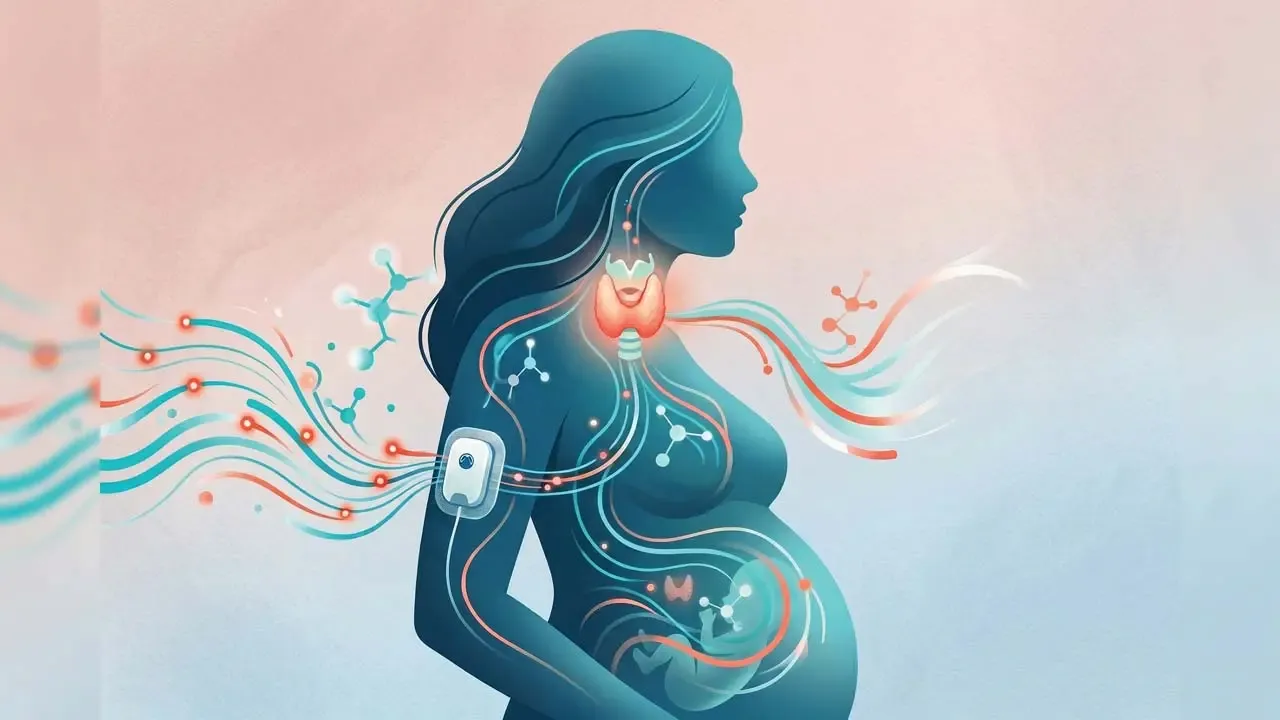
Many changes occur in a woman’s body during pregnancy. Hormones change, the body’s metabolism is affected and blood sugar levels may also fluctuate. Many people suffer from gestational diabetes i.e. the increase in sugar level during pregnancy is not limited to this time only, but for many women, it can also increase the risk of thyroid problems in the future. The connection between gestational diabetes and thyroid is often overlooked, although it can have long-term health implications if not identified in time.
gestational diabetes
Gestational diabetes is a condition in which blood sugar levels increase during pregnancy. This problem usually occurs in the second or third trimester. In many women, sugar becomes normal after delivery, but despite this, some changes in the body may persist for a long time. This condition can further increase the risk of problems like type-2 diabetes, heart disease and thyroid dysfunction.
Thyroid and Gestational Diabetes
The thyroid is a small gland present in the neck, which controls the body’s energy, metabolism, temperature and hormones. During pregnancy, the thyroid becomes more active to meet the needs of the mother and child. Women who have gestational diabetes may have hormonal and immune system changes that can affect thyroid function. Research suggests that insulin resistance, which is the main cause of gestational diabetes, can increase the risk of hypothyroidism in the future.
In some women, mild thyroid disorder is already present, but its symptoms are not visible. If sugar is not controlled during pregnancy, this problem can increase further.
Don’t ignore the symptoms
Symptoms of thyroid problems sometimes resemble normal fatigue after delivery. That’s why women are not able to recognize them for months or years.
common symptoms
1. Constant fatigue
2. Sudden weight gain
3. Hair fall
4. Mood swings
5. Depression or anxiety
6. Dryness of skin
7. Periods being irregular
8. Feeling very cold
Often women ignore them considering them to be the fatigue or stress of motherhood. But if these problems persist for a long time, it is important to get checked by a doctor.
Why is testing necessary after delivery?

After the birth of a child, most women stop their regular health checkups. But women who have gestational diabetes during pregnancy should get regular checkups done even after delivery. Doctors may recommend monitoring blood sugar, weight, and thyroid function. Timely detection of thyroid problems can prevent problems like obesity, infertility, high cholesterol, heart disease and constant fatigue. Women who have a family history of diabetes or thyroid need to be more careful.
lifestyle changes
The good thing is that the risk of these problems can be reduced to a great extent by adopting a healthy lifestyle. A balanced diet, regular exercise, adequate sleep, reducing stress and getting health checkups done from time to time help keep both blood sugar and thyroid healthy.
It is not right to consider gestational diabetes as a problem of only a few months. It may also be a sign of women’s future health that the body needs long-term care and monitoring. Women should not ignore their health after delivery. If problems like fatigue, weight gain or hormonal changes persist for a long time, then they should definitely get checked. With timely awareness and proper treatment, thyroid problems can be identified in the early stages and the quality of life can be improved. Taking care of the mother’s health today is the most important step to prevent major diseases in the future.
(The author is Dr. (Colonel) Vijay Dutta, Director (Internal Medicine and Respiratory Services, ISIC Multispeciality Hospital)
FAQ
Can gestational diabetes (GDM) cause thyroid after delivery?
Yes, uncontrolled sugar during pregnancy increases insulin resistance and cortisol hormone, which disrupts the normal functioning of the thyroid gland and increases the risk of hypothyroidism after delivery.
Why is it necessary to get thyroid test done even after sugar is normal during pregnancy?
Sometimes gestational diabetes leaves hidden changes in the body’s metabolism, which can manifest in the form of thyroid dysfunction or type-2 diabetes within 6 months to 1 year.
What are the initial symptoms of thyroid after delivery?
Its main initial symptoms are constant extreme fatigue, unexplained weight gain, hair fall, dry skin, mood swings and feeling cold.
What to eat to avoid thyroid after gestational diabetes?
Eat green leafy vegetables, whole grains, pulses, nuts, seeds and low-glycemic fruits. Strictly avoid refined sugar, refined flour and highly processed foods.
How soon after delivery should thyroid and sugar be checked?
HbA1c, fasting blood sugar and TSH tests must be done within 6 to 12 weeks of delivery.