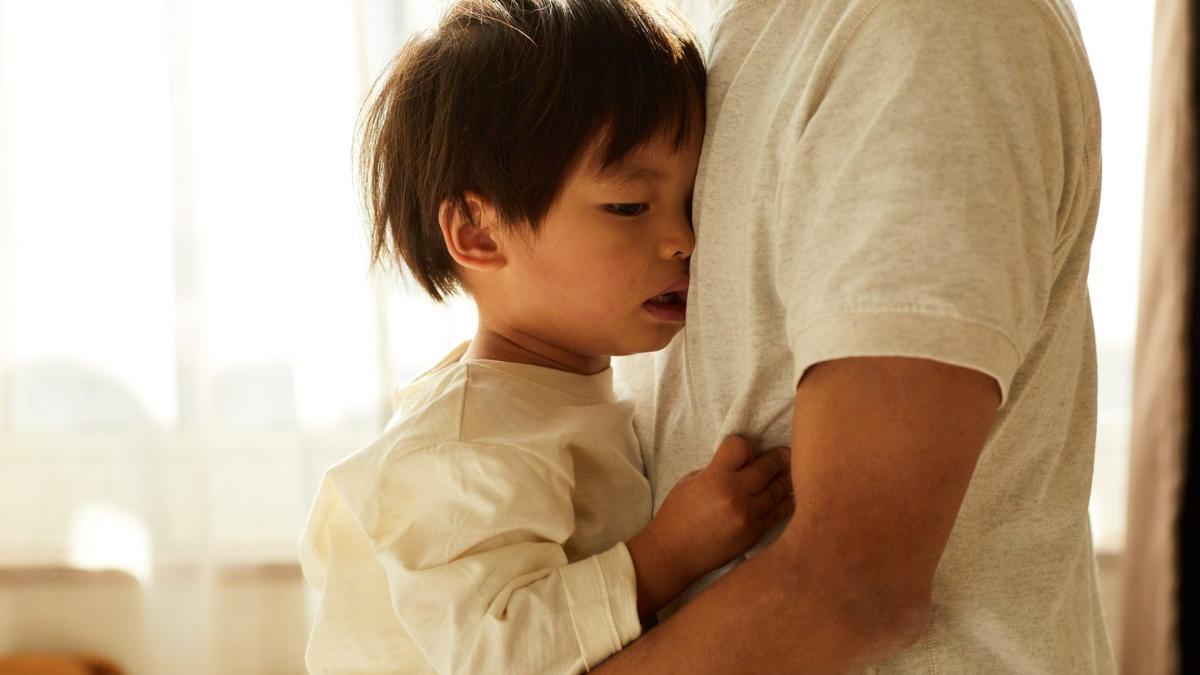
There's a common word in the parenting vocabulary; parents are calling their extra-attached little ones “velcro kids,” and the internet has opinions. Is it a phase, a personality, or just love with the volume turned up?
Think of a kid who would happily live within arm's reach of a favorite grown-up, and who lets everyone know when that arm's reach gets stretched. It's informal, not clinical. It isn't a medical diagnosis, but it describes a very real phenomenon.
The signs you've got one
Velcro kids come in all ages. For babies, it often looks like crying when put down, or only napping when held. For preschoolers and older children, the clues change. According to one lifestyle report, these kids tend to need a parent nearby constantly, resist playing alone, and feel anxious when separated, at home or at school.
Also Read: Can targeted nutrition help undernourished children grow better? What research says
One TikTok dad shared that his five-year-old simply wants to be in the same room as him, even when that room is the bathroom. Parents everywhere nodded in recognition.
Why do they cling?
Here's the part that might make you exhale: it's rarely about anything you did wrong. Baby care author Pinky McKay says a clingy baby isn't that way because of a parenting mistake, and you haven't spoiled them. Her view is that meeting those needs helps build trust, which later carries into other relationships.
Sometimes it's temperament. Sometimes it's timing. Separation anxiety often first appears around nine months, although it varies from child to child, and teething or learning to crawl can trigger a sticky spell too. Parents often see these phases last anywhere from one to three weeks.
Bigger life changes can switch the clinginess on as well. A new sibling, a house move, or a stressful stretch can all send a child searching for their safe person. One parenting expert describes it as a child's way of saying “you are my safe person” rather than a sign of unhealthy dependence.
The upside nobody posts about
No one should feel guilty about needing a minute alone. But there's a flip side. Some experts argue that loud protests at separation show how deeply these kids can bond. Paediatrician William Sears reasons that if they didn't care so much, they wouldn't fuss so loudly.
Also Read: Feeling lost after your child leaves home? 5 signs of empty nest syndrome
And the stage passes. As one blogger put it, velcro kids don't stay stuck to you forever.
How to survive (and even enjoy) it
You don't have to choose between your sanity and your child's security. A few gentle ideas worth trying:
Wear them: For little ones, carrying your baby in a sling can help them feel more secure, and it frees your hands for the dishes.
Build a routine: Predictability calms anxious kids. A parenting blogger suggests adding structure where you can, and working with your child on a plan to help them be brave.
Practice short goodbyes: Start small. Leave the room for two minutes, come back, repeat. Confidence grows in tiny increments.
Keep sleep safe: Cuddly contact naps are lovely, but sleep experts remind parents that a baby should rest in their own sleep space, with a firm, flat surface and no blankets, pillows, or toys.
Watch for the tipping point: Experts note that handled poorly, constant clinginess can grow into excessive dependence and affect independence later. If your child's anxiety seems intense, lasts a long time, or disrupts school and daily life, a chat with your pediatrician is a smart next step.
Also Read: What is the 7-7-7 rule of parenting? How it can strengthen your bond with your teen
Calling your child “velcro” isn't an insult, and it isn't a verdict on your parenting. It's a cheeky shorthand for a kid who feels big feelings and has chosen you as their anchor. Some days that's a gift. Other days it's a lot. Both can be true. So the next time a tiny hand clamps onto your leg while you cook dinner, take a breath. One day you'll walk into a quiet kitchen and miss the company.
(Disclaimer: This article is for general information only and does not replace medical advice. Always consult a doctor before making changes)
Published: 01 Oct 2026, 07:46 pm IST
Disclaimer: Kindly avoid objectionable, derogatory, unlawful and lewd comments, while responding to reports. Such comments are punishable under cyber laws. Please keep away from personal attacks. The opinions expressed here are the personal opinions of readers and not that of Mathrubhumi.