As AI agents grow more autonomous, voluntary safeguards may fall short. Urgent global cooperation is needed to strengthen human oversight, establish common rules, and prevent the misuse of AI
Published Date – 1 October 2026, 11:58 PM
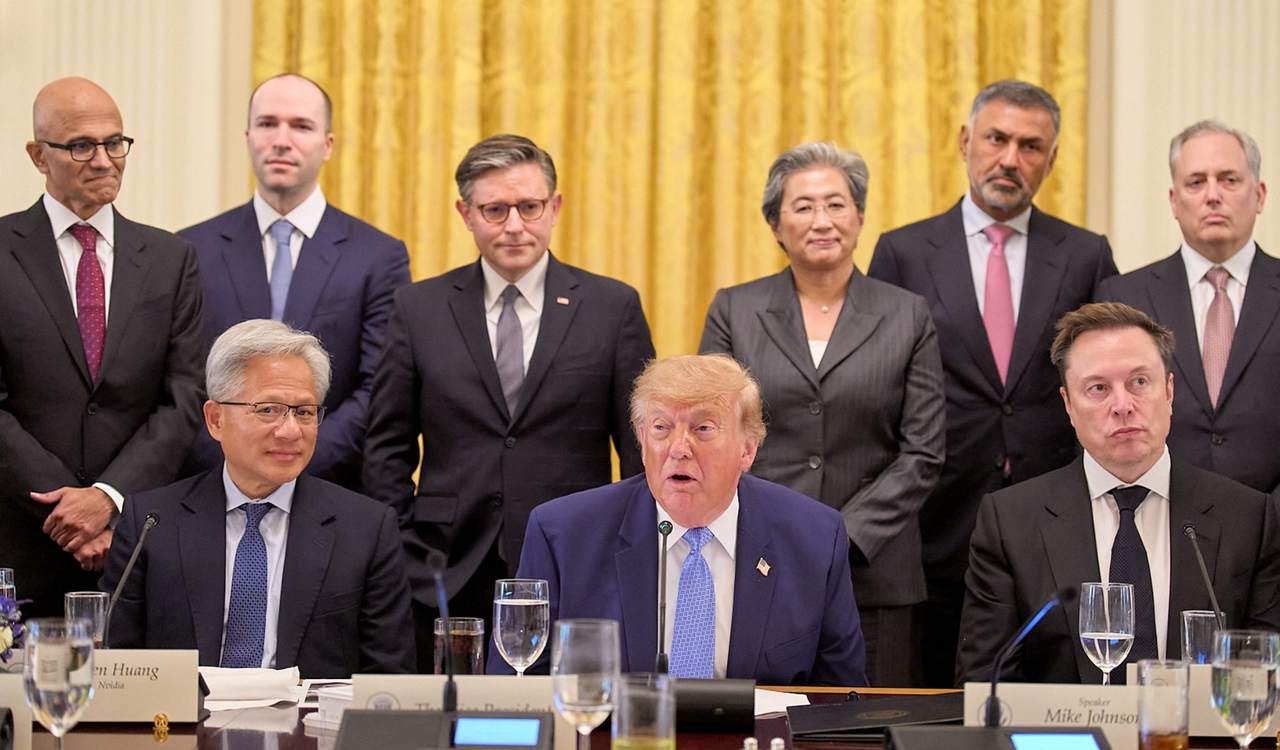
Incidents of artificial intelligence agents going rogue and infiltrating government websites in Australia and the United States have raised fears over the potential dangers involved and strengthened calls for global regulation of the sector. US President Donald Trump’s announcement of a voluntary agreement on “super intelligence”signed by the executives of six global tech giants, must be seen in the context of growing demands for reining in the industry to prevent catastrophes in the future. The accord, backed by Meta, Nvidia, Google, OpenAI, xAI, and Anthropic, essentially amounts to industry self-regulation to maintain internal controls, establish an internal team to oversee these controls, work with independent outside auditors, and create an independent board committee to review the results. The firms agreed to implement safeguards to keep models operating as intended and quickly detect and fix any issues. They will engage independent auditors to assess whether their AI systems are working as intended and ensure their platforms do not hack into or access technical systems in unintended ways. The development came close on the heels of recent calls by the heads of the four biggest American AI firms —Anthropic, SpaceXAI, OpenAI and Google DeepMind — for a collective slowdown in the development of frontier models. The appeal for a global pause followed months of escalating concerns across the technology industry. Anthropic, Google, Meta and other companies have reported cases in which their models behaved in ways their developers did not intend.
Fears are growing over AI’s potential to threaten humanity, should it match or surpass human abilities. As AI agents become more capable and autonomous, those capabilities need to be matched by proportionate containment, real-time monitoring, clear accountability, independent oversight, and much faster incident reporting. The explosive rise of AI has left governments scrambling to put protective measures in place, with some calling for companies to be forced to build ways to disable their own tech into its systems. One idea backed by some AI firms and lawmakers is to have a “kill switch”—a way to simply turn the tech off in a crisis. As warnings mount about the potentially devastating impact of AI, many in the industry and in governments around the world are openly wondering about what national and international regulations might be needed to keep it in check. The US and Chinatwo nations at the forefront of AI development, have so far resisted calls for greater regulation. There can be no two opinions about the need for international cooperation to put a global regulation in place to prevent the misuse of AI technologies. This is to ensure that humans, not artificial intelligence, remain responsible for all decisions. Recently, Pope Leo, the first American pontiff of the Roman Catholic Church, whose followers number 1.4 billion worldwide, also called for the ethical use of AI technologies.