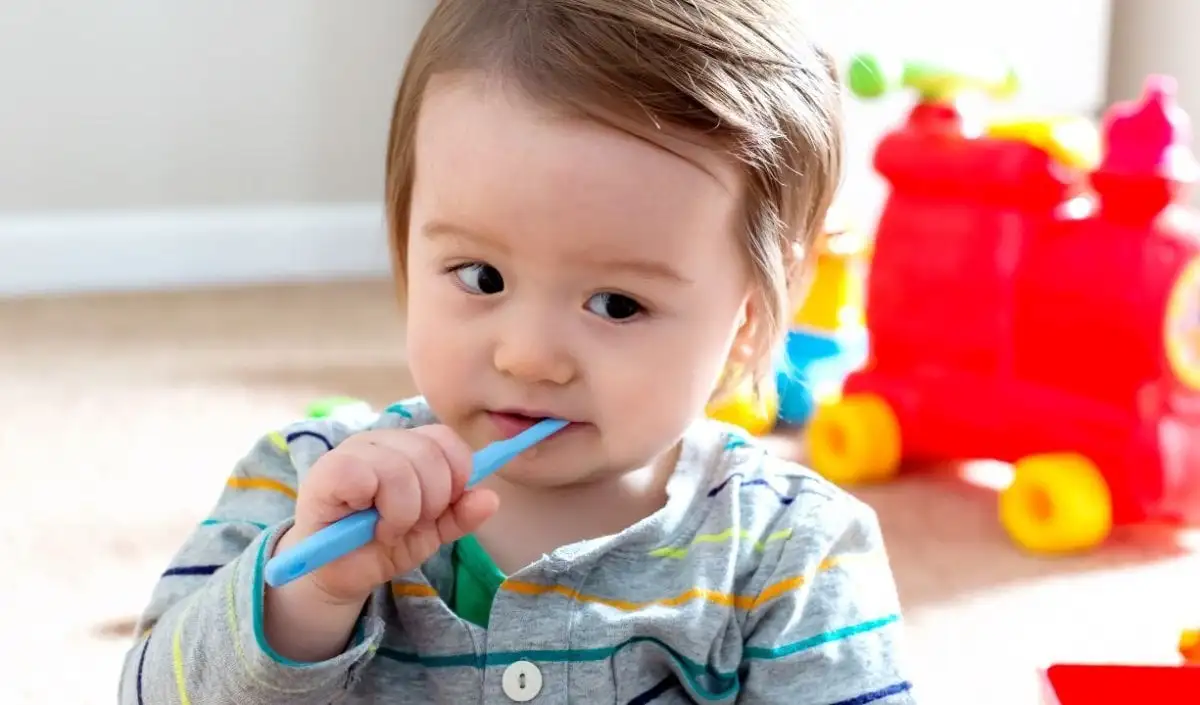
Pay attention to children's dental health
If your 1 to 3 year old child's teeth are turning black or they are having cavity problems, then it is important to pay attention to the habit of drinking milk frequently at night. According to Dr. Sakshi Baranwal, milk in itself is not harmful, but drinking milk repeatedly at night, especially after brushing, can increase the risk of cavity in teeth.
Consider the habit of drinking milk at night
Most parents believe that milk is beneficial for children. This is true, but the problem arises when the baby nurses repeatedly at night, does not brush and then goes to sleep. In this situation, the natural sugar present in milk keeps coming in contact with the teeth, which can increase the risk of cavity over time.
Does the child ask for milk after brushing?
According to Dr. Sakshi Baranwal, parents should pay attention to the night habits of the child. Many times children ask for milk after brushing and then go to sleep. There is a need to change this habit, because drinking milk after brushing can cause the sugar in the milk to remain on the teeth overnight.
Change your child's night routine
Making changes to your nighttime routine may be a simple solution. Try to give milk to the baby first, then get him brushed and then do activities like telling a story or cuddling him to sleep. The correct order should be: milk, then brush, then story or loving time and finally sleep. Keep in mind that brushing should be the last step in your baby's feeding routine before bed.
What to do if you ask for milk at night?
If the child asks for milk repeatedly at night, change the routine gradually instead of stopping it suddenly. Make a habit of brushing your baby after feeding him and putting him to sleep. If the baby wakes up again, try giving water instead of milk again and again. Adopt this change gradually so that it does not seem like a big change for the child.
Dental care rules for children aged 1 to 3 years
According to Dr. Sakshi Baranwal, some things should be kept in mind while cleaning the teeth of children at the age of 1 to 3 years. Brush children's teeth twice a day and use toothpaste containing fluoride. For children under 3 years of age, the amount of toothpaste should be equal to a grain of rice. Parents should help children, especially when brushing at night. Also, avoid giving children sugary drinks or snacks frequently. The child's first dental visit should be at the age of 1 year so that early dental problems can be detected in time.