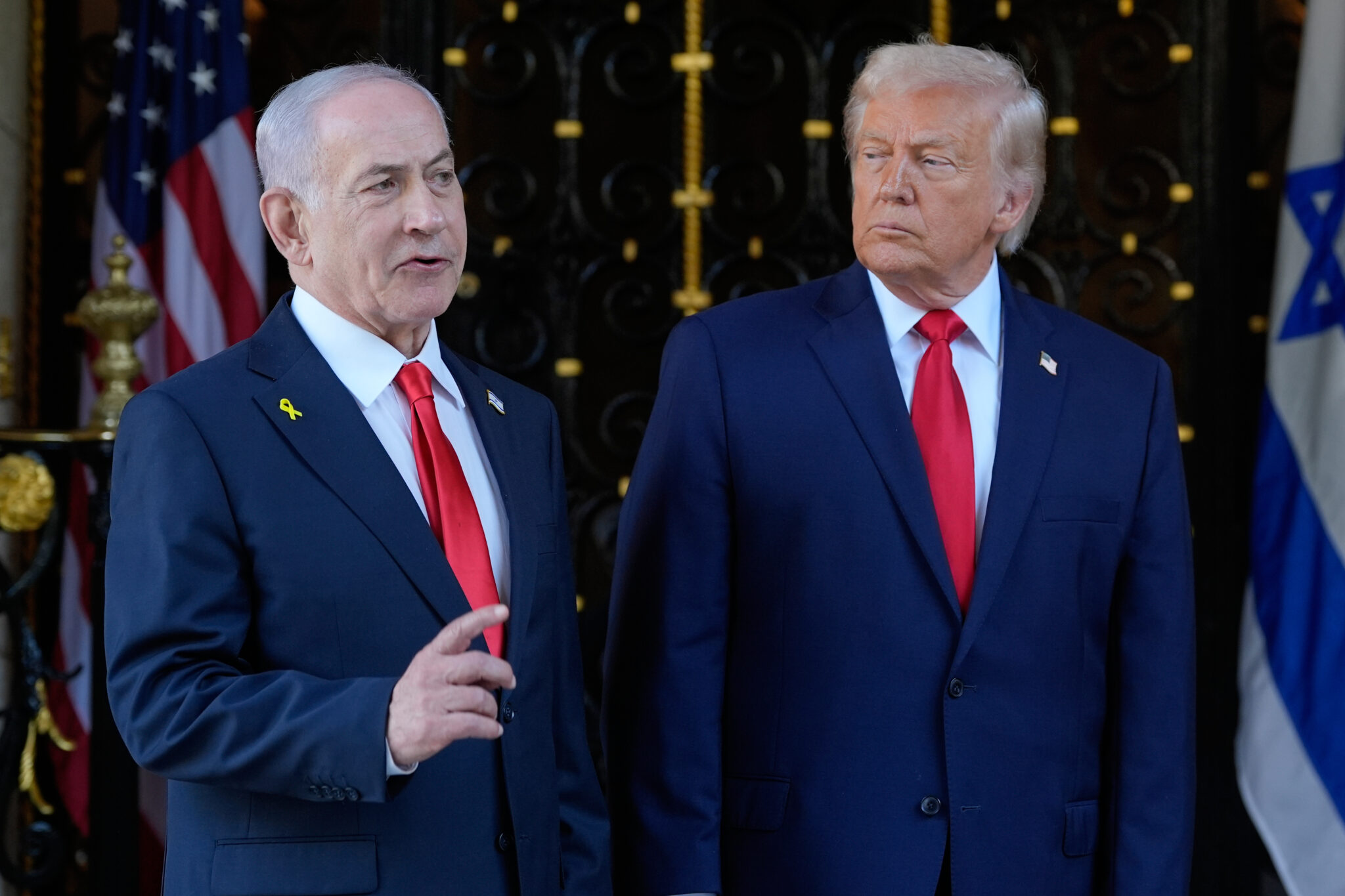
Trump Sidesteps Time Magazine Questions on Endorsing Netanyahu Before Israel Oct. 27 Election/ TezzBuzz/ WASHINGTON/ J. Mansour/ President Donald Trump declined to endorse Israeli Prime Minister Benjamin Netanyahu during a Time interview published Thursday. His remarks come ahead of Israel’s Oct. 27 election, as Netanyahu promotes their relationship while facing centrist challenger Gadi Eisenkot. The hesitation contrasts with Trump’s past support and follows disagreements over the Iran war, fighting in Lebanon and a Gaza ceasefire proposal.

Quick Look
- No endorsement offered: Trump repeatedly avoided saying whether Netanyahu should receive another term.
- Election approaches: Israelis vote Oct. 27 in their first national election since the Hamas-led attack in 2023.
- Resilience acknowledged: Trump warned against underestimating Netanyahu’s political staying power.
- Opponent receives neutral assessment: Trump said he had not heard bad things about Gadi Eisenkot.
- Earlier support was conditional: In June, Trump said he would most likely endorse Netanyahu after assessing his opponents.
- Past backing was stronger: Trump previously amplified Netanyahu’s campaign messaging and requested a pardon in his corruption case.
- Wartime disagreements persist: The leaders have clashed over Israeli operations in Iran and Lebanon.
- Gaza plan rejected: Netanyahu opposed Trump’s August proposal involving withdrawal from Israeli-controlled territory before Hamas was disarmed.

Deep Look
Trump Avoids Endorsing Netanyahu Before Israeli Vote
WASHINGTON — President Donald Trump declined to say whether Israeli voters should reelect Prime Minister Benjamin Netanyahu when they head to the polls Oct. 27.
During a 75-minute interview with Time magazine published Thursday, Trump sidestepped repeated questions about the Israeli leader’s campaign.
“I can only say that I’m not involved in politics anymore,” responded Trump, when asked whether Netanyahu should receive another term.
The absence of an endorsement presents a setback for Netanyahu, who has portrayed his close relationship with Trump as a reason to keep him in office.
The election will be Israel’s first national vote since the Hamas-led Oct. 7, 2023, attack.
Trump’s explanation comes as he expands campaigning for Republicans ahead of the November U.S. midterms.
He has also endorsed political figures abroad, including Hungarian Prime Minister Viktor Orbán in his unsuccessful bid for a fifth term, Japanese Prime Minister Sanae Takaichi and Polish President Karol Nawrocki, along with several Latin American leaders.
His restrained response on Netanyahu therefore contrasts with his willingness to support candidates in other countries.
Netanyahu Previously Used Trump Ties as Campaign Asset
Trump’s remarks were notably less enthusiastic than his past displays of support.
During a 2019 campaign, Netanyahu purchased large billboards showing the two leaders together with the message “Netanyahu. In Another League.”
Trump subsequently highlighted the advertisement on his social media accounts.
Netanyahu has continued emphasizing his access to the U.S. president, using their relationship to strengthen his standing with Israeli voters.
Trump Warns Against Underestimating Netanyahu
Although Trump avoided an endorsement, he acknowledged Netanyahu’s political resilience.
“Well, people have written off Bibi many, many times, just like they’ve written off me many, many times,” Trump said. “I wouldn’t underestimate Bibi.”
Netanyahu, Israel’s longest-serving prime minister, faces a yearslong corruption trial and continuing scrutiny over his government’s security and intelligence failures before the Oct. 7 attack.
His proposed judicial restructuring also triggered large protests in 2023.
During the interview, Trump repeatedly shifted attention toward his own record on Israel rather than directly assessing Netanyahu’s reelection bid.
Eisenkot’s Candidacy Complicates Earlier Support
Asked about Netanyahu’s leading opponent, centrist Gadi Eisenkot, Trump said“I don’t hear bad things about him.”
In June, before Eisenkot announced his candidacy, Trump said he would “most likely” endorse Netanyahu but wanted to see whom he would face.
The latest interview offered no confirmation that Trump would follow through on that earlier indication.
Trump Previously Sought Pardon for Netanyahu
Last November, Trump wrote to Israeli President Isaac Herzog asking him to pardon Netanyahu in the corruption case.
In that letter, Trump described him as “a formidable and decisive War Time Prime Minister.”
That intervention reflected a level of personal support absent from Trump’s latest comments about the election.
Strong US Support Continues Despite Disagreements
Trump remains popular in Israel.
During his first term, he supported Israeli claims to territory captured in war and moved the U.S. Embassy to Jerusalem.
In his second term, he backed Israel’s actions in Gaza and joined it in bombing Iran.
Netanyahu has frequently visited the White House and regularly speaks with Trump by telephone. Those ties have been particularly valuable to the Israeli leader’s efforts to bolster his domestic image.
However, the seven-month Iran war has exposed disagreements between them.
Iran and Lebanon Operations Strain Relationship
Trump criticized Israel’s attack on a major Iranian gas field during the opening weeks of the war.
In June, he called Netanyahu “crazy” and said he was “a little bit perturbed” because Israel’s fighting with Hezbollah in Lebanon was obstructing peace negotiations with Iran.
Those disputes complicated an alliance that Netanyahu has consistently presented as exceptionally close.
Gaza Ceasefire Dispute Creates Election Dilemma
In August, Netanyahu rejected Trump’s latest proposal to advance the stalled Gaza ceasefire.
He opposed the administration’s call for Israel to withdraw from territory it controls in Gaza before Hamas had been disarmed.
The decision risked angering a president Netanyahu has repeatedly described as Israel’s greatest friend in the White House.
Accepting the proposal, however, could also have carried political costs. Netanyahu’s nationalist supporters oppose concessions to Palestinians, while Israel remains deeply affected by the Oct. 7 attack that occurred under his leadership.
That tension leaves Netanyahu balancing relations with Washington against the demands of his electoral base as the vote approaches.
More on US News